





Uterine fibroids are one of the most common non-cancerous growths that develop in the uterus during a woman’s reproductive years. Many women may have fibroids without even realizing it, while others may experience noticeable symptoms that affect their daily lives. Among the different types of uterine fibroids, intramural fibroids are the most frequently diagnosed. Learning What Is Intramural Fibroid is essential for women who want to understand their reproductive health and recognize potential warning signs early.
Intramural fibroids grow within the muscular wall of the uterus, known as the myometrium. Because of their location, they can gradually enlarge and affect how the uterus functions. In some cases, they remain small and cause no symptoms. However, when they grow larger, they may lead to discomfort, heavy periods, or other complications that require medical attention.
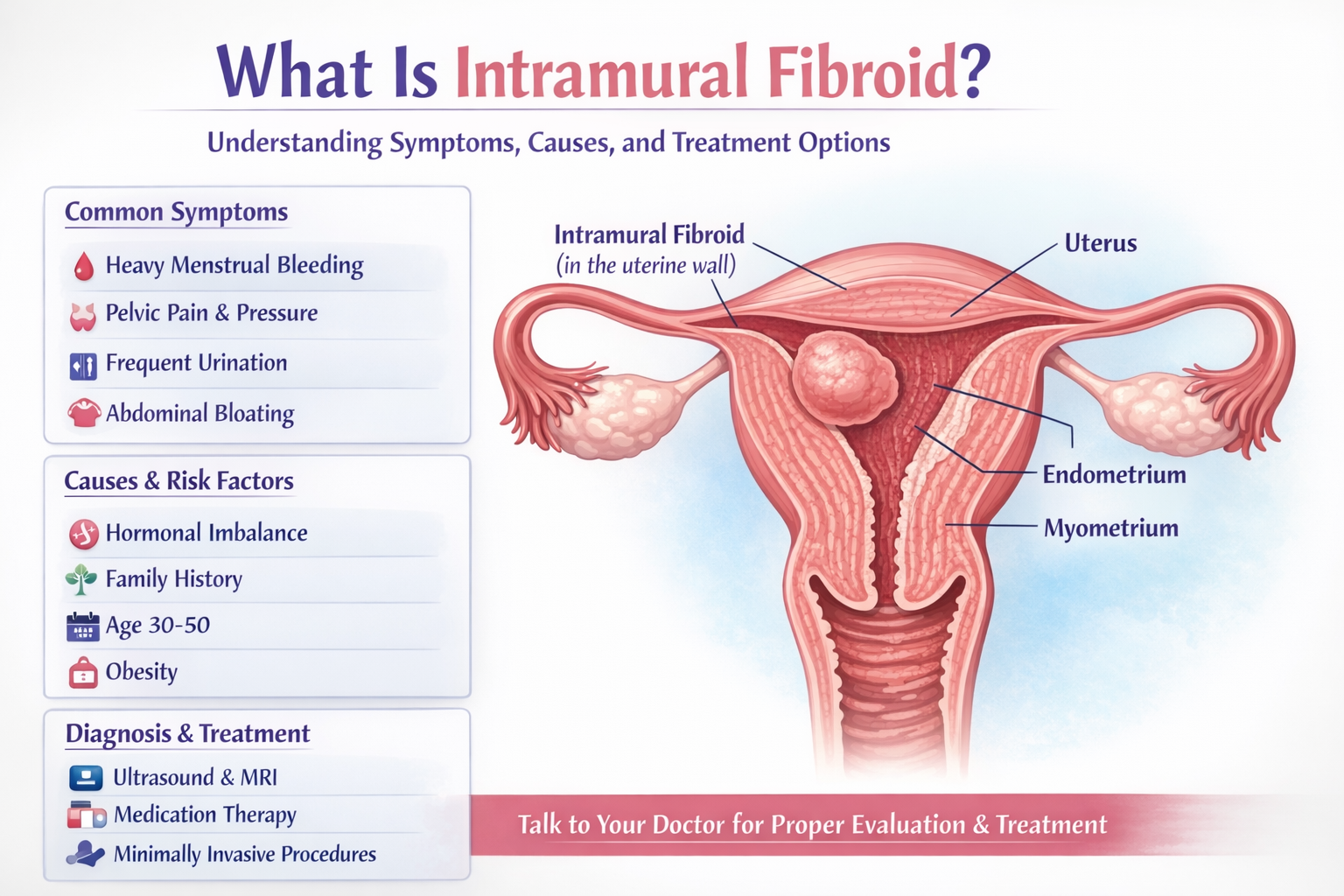
Understanding Intramural Fibroids
Intramural fibroids are benign tumors that develop within the thick muscle layer of the uterus. Unlike other types of fibroids that grow either inside the uterine cavity or on the outer surface of the uterus, intramural fibroids remain embedded within the uterine wall.
These fibroids can vary greatly in size. Some may be as small as a seed, while others can grow large enough to enlarge the uterus and create noticeable pressure in the pelvic region. As they expand, intramural fibroids may distort the normal shape of the uterus and interfere with normal uterine contractions during menstruation.
Many women may not experience symptoms initially. However, as the fibroids grow or increase in number, they may begin to affect reproductive health and overall well-being.
Common Symptoms of Intramural Fibroids
The symptoms of intramural fibroids depend on factors such as their size, number, and exact location within the uterus. Some women may experience mild symptoms, while others may have more severe issues that interfere with daily activities.
One of the most common symptoms is heavy menstrual bleeding. Women with intramural fibroids may notice longer periods, heavier bleeding, or the presence of blood clots during menstruation.Pelvic pressure is another common sign. As the fibroids grow within the uterine wall, they may create a feeling of fullness or heaviness in the lower abdomen.
Frequent urination can occur when fibroids press against the bladder. Similarly, pressure on nearby organs such as the rectum may lead to constipation or difficulty with bowel movements.
Other possible symptoms include lower back pain, abdominal swelling, pain during intercourse, and fatigue caused by excessive menstrual bleeding. In some cases, intramural fibroids may also affect fertility or lead to complications during pregnancy.
Causes and Risk Factors
Although the exact cause of uterine fibroids is still not fully understood, several factors may contribute to their development.
Hormones play a major role in fibroid growth. Estrogen and progesterone, the hormones that regulate the menstrual cycle, may stimulate fibroid cells to grow. This is why fibroids typically develop during reproductive years and often shrink after menopause when hormone levels decrease.
Genetics may also influence the likelihood of developing fibroids. Women with a family history of fibroids may have a higher risk of developing them themselves.
Lifestyle and environmental factors may also play a role. Diet, obesity, high blood pressure, and certain hormonal imbalances may increase the risk of fibroid growth. While these factors may contribute to fibroid development, they do not guarantee that fibroids will occur.
Diagnosis and Medical Evaluation
Diagnosing intramural fibroids usually begins with a routine pelvic examination. During this exam, a doctor may notice that the uterus feels enlarged or irregular in shape.
Imaging tests are often used to confirm the presence of fibroids. Ultrasound is one of the most common diagnostic tools used to detect fibroids and determine their size and location.
Magnetic resonance imaging (MRI) may also be used to obtain more detailed images of the uterus. MRI scans provide clearer information about the structure and position of fibroids, which helps doctors plan the most effective treatment strategy.
Early diagnosis is important because it allows women to explore treatment options before symptoms become more severe.
Modern Treatment Options
Treatment for intramural fibroids depends on several factors, including symptom severity, fibroid size, age, and reproductive plans. Some women with small fibroids and mild symptoms may only need regular monitoring to track any changes in size or symptoms.
Medications may be prescribed to help control heavy bleeding or manage pain. Hormonal therapies may also be used to temporarily reduce fibroid size or regulate menstrual cycles.
Minimally invasive treatments have become increasingly popular in recent years. These procedures offer effective results without requiring major surgery or long recovery times.
One widely recommended treatment is uterine fibroid embolization (UFE). This minimally invasive procedure blocks the blood supply to fibroids, causing them to shrink naturally over time.
Another option is myomectomy, a surgical procedure that removes fibroids while preserving the uterus. In more severe cases, hysterectomy may be considered, which involves removing the uterus entirely.
Each treatment option has its own benefits and considerations, so consulting a specialist is essential to determine the best approach.
Why Early Awareness Matters
Understanding fibroids and recognizing symptoms early can make a significant difference in managing the condition effectively. Many women ignore symptoms such as heavy periods or pelvic discomfort because they assume these issues are normal.
However, untreated fibroids can sometimes grow larger and lead to complications such as anemia, severe pain, or fertility challenges.
Seeking medical advice early allows women to explore a wider range of treatment options and potentially avoid more invasive procedures later.
Maintaining Reproductive Health
Women can support their reproductive health by maintaining regular gynecological checkups and adopting healthy lifestyle habits. A balanced diet, regular exercise, and stress management may help support hormonal balance and overall well-being.
Although lifestyle changes alone cannot prevent fibroids completely, they may help reduce certain risk factors associated with their development.
Staying informed about reproductive health conditions empowers women to make proactive decisions about their bodies and seek timely medical care when necessary.
Conclusion
Intramural fibroids are a common type of uterine fibroid that develops within the muscular wall of the uterus. While they are non-cancerous, they can cause symptoms such as heavy menstrual bleeding, pelvic pressure, and frequent urination when they grow larger.
By understanding the causes, symptoms, and treatment options available, women can take control of their reproductive health and seek appropriate medical guidance. Advances in medical technology now provide several minimally invasive treatment options that can effectively manage fibroids and improve quality of life.
If you suspect that you may have uterine fibroids or are experiencing unusual symptoms, consulting a medical professional can help you receive the right diagnosis and personalized treatment plan. Early awareness and proper care can make a meaningful difference in managing fibroids and maintaining long-term health.

Herbal Treatment for Eczema read the Symptoms and Causes.
Natural Remedies for Eczema that help moisturize the skin.
Supplement help to manage it.https://www.naturalherbsclinic.com/product/eczema/
Herbal Treatment for Cellulitis read the Symptoms and Causes.
Cellulitis is a common bacterial skin infection.
Cellulitis may appear as a red, swollen area that feels hot and tender to the touch.

There are a variety of herbs using Natural Remedies for Granuloma Annulare that can treat skin issues such as oak leaf extract which has healing properties for the skin.