

Introduction
In 2026, businesses across the world are rapidly adopting Real-Time Delivery Tracking Systems to manage modern logistics and meet rising customer expectations. The global eCommerce industry has grown dramatically in recent years, and the logistics sector is evolving to support this demand. For example, the UK e-commerce logistics market was valued at $12.8 billion in 2025 and is expected to reach $34.9 billion by 2035, driven by fast online shopping growth and increasing demand for advanced delivery technologies.
At the same time, customer expectations are changing quickly. Modern shoppers want fast, reliable, and transparent deliveries. Many consumers now prefer same-day or next-day delivery, which is becoming a standard service rather than a premium option.
This shift has made delivery visibility more important than ever. According to a 2025 eCommerce study by DHL, 80% of online shoppers abandon their carts if their preferred delivery options are not available, showing how crucial delivery experience is in the buying journey.
To solve these challenges, companies are investing in smart delivery tracking systems. The technologies allow businesses to monitor shipments live, optimise routes, reduce delivery delays, and provide accurate updates to customers.
As a result, AI powered delivery management software is no longer optional — it has become a critical tool for improving operational efficiency, reducing costs, and delivering a better customer experience in today’s competitive eCommerce landscape.
Why Businesses Are Investing Heavily in Real-Time Delivery Tracking Systems in 2026
What Are Real-Time Delivery Tracking Systems?
Real-time delivery tracking systems are digital technologies that allow businesses and customers to track the exact location and delivery status of a package while it is moving from the warehouse to the final destination. These systems provide live delivery updates, helping companies monitor shipments and ensuring customers know exactly when their orders will arrive.
In simple words, a real-time delivery tracking system shows where a delivery is right now, where it is going, and when it will reach the customer. Instead of waiting for manual updates, businesses and customers can see the delivery journey instantly through a tracking dashboard, website, or mobile app.
Today, real-time delivery tracking has become a critical part of modern logistics management and supply chain operations, especially in industries such as eCommerce, courier services, retail logistics, food delivery, and last-mile delivery services.
A real-time delivery tracking system is a technology that allows businesses and customers to monitor the live location, delivery progress, and estimated arrival time of shipments using GPS, mobile applications, and cloud-based logistics software.
How Real-Time Delivery Tracking Systems Work
Real-time delivery tracking systems work by collecting and sharing live data from delivery vehicles, drivers, and logistics platforms.
Here is a simple step-by-step process:
1. GPS Location Tracking
Delivery drivers use GPS-enabled smartphones or vehicle tracking devices that send their location data continuously.
2. Cloud-Based Logistics Platform
The delivery location data is sent to a cloud-based delivery management system, where the information is processed and stored.
3. Route Monitoring and Data Analysis
The system analyses factors such as delivery routes, traffic conditions, driver location, and order details to calculate the most accurate delivery time.
4. Live Delivery Updates
Customers and businesses receive real-time shipment tracking updates, including the driver’s location, delivery status, and estimated time of arrival (ETA).
This process allows companies to maintain full delivery visibility across the supply chain.
Key Features of Real-Time Delivery Tracking Systems
Modern delivery tracking software includes several powerful features that help businesses manage logistics more efficiently.
Live GPS Shipment Tracking
Businesses can see the exact location of delivery vehicles on a digital map in real time.
Accurate Estimated Time of Arrival (ETA)
The system calculates delivery time based on driver location, traffic patterns, and route optimisation algorithms.
Automated Delivery Notifications
Customers receive automatic updates through SMS, email, or mobile notifications about order dispatch, delivery progress, and expected arrival time.
Proof of Delivery (POD)
Drivers can collect digital signatures, photos, or barcode confirmations when a delivery is completed.
Delivery Route Monitoring
Companies can track driver routes and ensure faster and more efficient last-mile delivery operations.
Why Real-Time Delivery Tracking Systems Are Important
In today’s fast-moving logistics industry, customers expect complete transparency and fast deliveries. Real-time delivery tracking systems help businesses meet these expectations.
Improved Delivery Transparency
Customers can see exactly where their package is, which increases trust and satisfaction.
Better Logistics Efficiency
Businesses can track deliveries, optimise routes, and reduce delays in the last-mile delivery process.
Enhanced Customer Experience
Providing live tracking improves the overall delivery experience and keeps customers informed.
Reduced Customer Support Requests
When customers can track their orders themselves, businesses receive fewer support calls asking about delivery status.
Higher Delivery Success Rates
Drivers can communicate better with customers, which helps reduce missed or failed deliveries.
Industries That Use Real-Time Delivery Tracking Systems
Many industries rely on real-time logistics tracking systems to improve delivery performance and supply chain visibility.
Some of the major industries include:
eCommerce and online retail
Courier and parcel delivery services
Food and grocery delivery platforms
Healthcare and pharmaceutical logistics
Manufacturing and supply chain distribution
As global commerce continues to grow, more companies are adopting real-time shipment tracking solutions to improve delivery speed, efficiency, and customer satisfaction.
How Real-Time Delivery Tracking Systems Work
A real-time delivery tracking system works by collecting live location and delivery data from drivers, vehicles, and logistics software, and then showing this information instantly on a digital platform. It allows businesses and customers to track deliveries in real time, monitor delivery progress, and know the estimated time of arrival (ETA).
In modern logistics and supply chain management, these systems combine technologies such as GPS tracking, mobile applications, cloud-based delivery software, and route optimisation tools to provide full visibility of shipments from dispatch to final delivery.
Below is a simple explanation of how real-time delivery tracking systems work in the delivery process.
1. Order Dispatch and Tracking Activation
The process begins when an order is prepared and dispatched from a warehouse, fulfilment centre, or store. Once the package is assigned to a driver or delivery vehicle, the delivery tracking system automatically activates the shipment tracking process.
The system generates a unique tracking ID or tracking link that allows businesses and customers to monitor the delivery in real time. This tracking information is stored in the delivery management software and connected to the driver’s mobile device.
2. GPS Location Tracking
Real-time delivery tracking systems rely heavily on GPS technology to determine the exact location of the delivery vehicle.
Drivers typically use GPS-enabled smartphones or vehicle tracking devices that continuously send their location to the central delivery platform. This allows logistics managers to see the live movement of drivers and vehicles on a digital map.
Because GPS updates happen frequently, the system can provide accurate real-time shipment tracking and route monitoring.
3. Data Transmission to Cloud-Based Platforms
Once the GPS location and delivery status are captured, the data is transmitted to a cloud-based logistics platform. This platform collects and processes all tracking information, including:
Driver location
Order details
Delivery route
Traffic conditions
Delivery progress
The cloud system ensures that the real-time delivery tracking data is instantly available to businesses, dispatch teams, and customers.
4. Route Monitoring and Intelligent ETA Calculation
Advanced delivery tracking software uses algorithms and route optimisation tools to calculate the estimated time of arrival (ETA) for each delivery.
The system analyses several factors, including:
Current driver location
Distance to the delivery address
Traffic conditions
Route efficiency
Number of deliveries in the queue
This helps businesses provide more accurate delivery time predictions and improve last-mile delivery efficiency.
5. Live Delivery Updates for Customers
One of the biggest benefits of real-time delivery tracking systems is that customers receive live delivery updates.
Customers can track their packages through:
Tracking links
Delivery mobile apps
SMS notifications
Email updates
These updates inform customers when the order is dispatched, out for delivery, nearby, or successfully delivered. This level of transparency significantly improves the customer delivery experience.
6. Proof of Delivery Confirmation
When the package reaches the customer, the driver confirms the delivery using a proof of delivery (POD) system.
This may include:
Digital signatures
Delivery photos
QR code scans
OTP verification
The delivery confirmation is instantly recorded in the real-time delivery tracking system, ensuring accurate delivery records and reducing disputes.
Why This Process Matters
By using real-time delivery tracking technology, businesses gain complete visibility over their delivery operations. This helps companies optimise delivery routes, reduce delays, improve driver performance, and enhance customer satisfaction.
At the same time, customers benefit from accurate shipment tracking, live delivery updates, and reliable delivery times, which are now essential expectations in modern eCommerce and logistics services.
Why Real-Time Delivery Tracking Systems Are Critical for Businesses in 2026
In 2026, real-time delivery tracking systems have become a critical technology for businesses that manage deliveries, logistics operations, or online orders. With the rapid growth of eCommerce, same-day delivery services, and global supply chains, customers now expect complete visibility and fast updates about their orders.
Businesses Are Investing Heavily in Real-Time Delivery Tracking Systems in 2026
A real-time delivery tracking system allows businesses to monitor deliveries live, improve delivery accuracy, and provide customers with transparent shipment updates. Companies that use advanced delivery tracking software can manage their logistics operations more efficiently while also improving customer trust and satisfaction.
For many industries, especially eCommerce, retail, courier services, and food delivery platforms, real-time tracking is no longer a luxury feature — it is a business necessity.
1. Rising Customer Expectations for Delivery Transparency
Modern customers want to know exactly where their package is and when it will arrive. Simply providing a delivery date is no longer enough.
A real-time shipment tracking system gives customers live updates about their order status, driver location, and estimated delivery time. Customers can follow their package journey from dispatch to delivery, which creates a more reliable and transparent delivery experience.
Businesses that offer live delivery tracking build greater customer confidence and improve overall satisfaction.
2. Growth of eCommerce and Faster Delivery Demand
The rapid expansion of online shopping and digital marketplaces has significantly increased the number of daily deliveries worldwide. Customers now expect same-day delivery, next-day delivery, and faster last-mile delivery services.
Real-time delivery tracking systems help businesses manage this growing demand by allowing them to track drivers, monitor routes, and coordinate deliveries more efficiently.
With better delivery visibility, companies can ensure that orders reach customers quickly and without unnecessary delays.
3. Improved Logistics Visibility and Operational Control
One of the biggest advantages of real-time logistics tracking systems is improved operational visibility.
Businesses can monitor:
Driver locations in real time
Delivery progress and order status
Vehicle movement and delivery routes
Potential delays or route issues
This level of visibility allows logistics managers to make faster decisions and quickly respond to problems. As a result, businesses can maintain smooth and efficient delivery operations.
4. Better Route Optimisation and Delivery Efficiency
Modern delivery tracking platforms often include route optimisation tools that analyse traffic conditions, delivery addresses, and driver locations.
This technology helps businesses identify the fastest and most cost-effective delivery routes, which leads to:
Reduced fuel consumption
Shorter delivery times
Lower operational costs
Higher driver productivity
Efficient route planning is especially important for companies handling large delivery volumes in urban areas.
5. Enhanced Customer Experience and Brand Trust
Providing real-time delivery updates significantly improves the customer experience. Customers feel more confident when they can track their orders and receive updates about delivery progress.
Features such as live delivery maps, arrival notifications, and automated SMS alerts help keep customers informed throughout the delivery journey.
Businesses that prioritise delivery transparency often see higher customer satisfaction, repeat purchases, and stronger brand loyalty.
6. Reduced Customer Support Workload
Without real-time tracking, customers often contact support teams to ask questions like:
Where is my order?
When will my package arrive?
Has my delivery been dispatched?
A real-time delivery tracking system reduces these queries by allowing customers to check delivery status themselves. This helps businesses reduce customer support workload and operational costs.
7. Higher Delivery Success Rates
Real-time tracking also improves last-mile delivery success rates. Drivers can communicate with customers more effectively and provide accurate arrival times.
Customers can prepare to receive their packages, which reduces:
Failed delivery attempts
Missed deliveries
Delivery rescheduling
As a result, businesses can complete more deliveries successfully on the first attempt.
8. Competitive Advantage in Modern Logistics
In today’s highly competitive logistics and eCommerce market, businesses must adopt advanced technologies to stay ahead. Companies that implement real-time delivery tracking solutions gain a clear competitive advantage.
These systems help organisations deliver faster, smarter, and more reliable logistics services, which improves both operational performance and customer satisfaction.
Top Reasons Businesses Are Investing Heavily in Real-Time Delivery Tracking Systems
In today’s fast-moving digital economy, businesses must deliver products quickly, accurately, and transparently. As online shopping continues to grow and customers expect faster deliveries, companies are increasingly investing in real-time delivery tracking systems to improve their logistics operations.
A real-time delivery tracking system allows businesses to monitor shipments live, track delivery vehicles, and provide customers with instant updates about their orders. This technology plays a crucial role in modern logistics, supply chain management, and last-mile delivery operations.
Because of these advantages, organisations across industries such as eCommerce, retail, courier services, and food delivery are heavily investing in delivery tracking software and logistics tracking solutions.
Below are the key reasons why businesses are adopting real-time shipment tracking systems at a rapid pace.
1. Growing Customer Expectations for Delivery Transparency
Modern customers expect complete visibility during the delivery process. They want to know where their package is, when it will arrive, and whether there are any delays.
A real-time delivery tracking system provides live updates on delivery progress, including the driver’s location and the estimated time of arrival (ETA). Customers can track their order through a tracking link, mobile app, or delivery notification system.
Providing live delivery tracking builds trust and improves the overall customer experience, which is why businesses are investing in advanced tracking technology.
2. Rapid Growth of eCommerce and Online Orders
The rapid growth of eCommerce and digital marketplaces has significantly increased the number of daily deliveries worldwide. Businesses must now handle large volumes of orders while maintaining fast delivery speeds.
Real-time delivery tracking systems help businesses manage this growth by providing better visibility into shipments, delivery routes, and driver activities.
With improved logistics monitoring, companies can ensure that orders are delivered quickly and efficiently, even during peak demand periods.
3. Better Last-Mile Delivery Management
The last-mile delivery stage, which is the final step of the delivery journey, is often the most complex and expensive part of the logistics process.
Real-time delivery tracking systems allow businesses to monitor driver routes, optimise delivery schedules, and track vehicle movement in real time. This improves delivery coordination and reduces delays.
As a result, businesses can complete deliveries faster while lowering operational costs.
4. Improved Logistics Visibility and Operational Control
One of the biggest advantages of real-time logistics tracking systems is complete operational visibility.
Businesses can track:
Delivery vehicles in real time
Driver performance and route efficiency
Shipment status and delivery progress
Potential delays or route disruptions
This information helps logistics managers make quick decisions and improve delivery efficiency across the supply chain.
5. Enhanced Customer Experience
Customer experience has become a major competitive factor in the logistics and eCommerce industries.
By offering live shipment tracking and automated delivery notifications, businesses keep customers informed throughout the delivery journey.
Customers receive updates such as:
Order dispatched
Out for delivery
Driver nearby
Delivery completed
These updates create a more reliable and transparent delivery experience, leading to higher customer satisfaction and repeat purchases.
6. Reduction in Customer Support Requests
When customers cannot track their orders, they often contact support teams to ask about delivery status.
A real-time delivery tracking platform allows customers to check delivery progress themselves. This reduces common queries like:
Where is my order?
When will my package arrive?
Has my delivery been dispatched?
As a result, businesses can reduce the workload on customer service teams and lower operational costs.
7. Higher Delivery Success Rates
Failed deliveries can create extra costs and operational challenges for businesses.
Real-time delivery tracking systems provide accurate delivery updates and arrival notifications, allowing customers to prepare for delivery.
Drivers can also communicate more effectively with customers when needed. This helps reduce:
Missed deliveries
Delivery rescheduling
Return shipments
Higher delivery success rates improve both efficiency and customer satisfaction.
8. Data Insights for Better Logistics Decisions
Modern delivery tracking software collects valuable data about delivery operations. Businesses can analyse this data to improve their logistics strategies.
For example, companies can track:
Average delivery times
Route performance
Driver productivity
Delivery delays
These insights help businesses optimise delivery routes, improve driver efficiency, and make data-driven logistics decisions.
9. Competitive Advantage in the Modern Delivery Market
The logistics and eCommerce industries are becoming increasingly competitive. Businesses must adopt advanced logistics technology to stay ahead.
Companies that invest in real-time delivery tracking systems can provide faster deliveries, better transparency, and a superior customer experience.
This helps businesses build stronger customer relationships, improve brand reputation, and gain a competitive advantage in the market.
Key Features of Modern Real-Time Delivery Tracking Systems
Modern real-time delivery tracking systems have become an essential part of logistics management, supply chain visibility, and last-mile delivery operations. These systems are designed to help businesses monitor shipments, track delivery vehicles, and provide customers with accurate delivery updates.
Unlike traditional tracking tools, modern delivery tracking software uses advanced technologies such as GPS tracking, cloud-based logistics platforms, mobile applications, and data analytics. These features allow businesses to manage deliveries more efficiently while also improving the customer experience.
Below are the most important features of modern real-time delivery tracking systems that make them powerful tools for today’s logistics and eCommerce businesses.
Live GPS Tracking of Delivery Vehicles
One of the most important features of a real-time delivery tracking system is live GPS tracking. This technology allows businesses to monitor the exact location of delivery vehicles and drivers in real time.
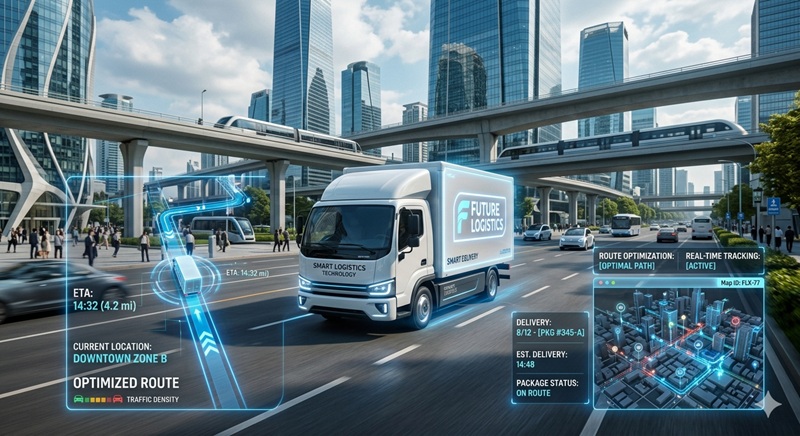
Using GPS-enabled smartphones or vehicle tracking devices, the system continuously sends location data to a central platform. Logistics managers can see all deliveries on a digital map dashboard, making it easier to track driver movement and delivery progress.
Real-Time Delivery Tracking Systems
Live GPS tracking improves delivery visibility, route monitoring, and operational control, which are essential for efficient logistics management.
Accurate Estimated Time of Arrival (ETA)
Another key feature of modern delivery tracking systems is the ability to calculate an accurate estimated time of arrival (ETA).
The system uses data such as:
Current driver location
Traffic conditions
Delivery route distance
Number of deliveries on the route
By analysing these factors, the system can predict when the package will arrive. This helps businesses provide reliable delivery timelines and real-time shipment updates to customers.
Accurate ETA predictions improve the customer delivery experience and reduce uncertainty.
Automated Customer Notifications
Modern real-time delivery tracking software automatically sends delivery updates to customers at every stage of the delivery journey.
Customers may receive notifications when:
The order is dispatched
The package is out for delivery
The driver is nearby
The delivery is completed
These updates can be sent through SMS, email, mobile apps, or push notifications. Automated communication keeps customers informed and reduces the need for manual customer support.
Delivery Route Monitoring and Optimisation
Efficient route planning is essential for businesses that manage multiple deliveries daily. Modern delivery tracking systems include route monitoring and optimisation tools that help drivers take the fastest and most efficient routes.
The system analyses real-time traffic data, delivery addresses, and driver location to recommend the best routes. This feature helps businesses:
Reduce delivery delays
Lower fuel costs
Increase driver productivity
Improve last-mile delivery efficiency
Route optimisation plays a major role in improving overall logistics performance.
Proof of Delivery (POD)
Proof of Delivery (POD) is another important feature of modern real-time shipment tracking systems. It allows drivers to confirm that a package has been successfully delivered.
Delivery confirmation may include:
Digital signatures from customers
Delivery photos
QR code scans
One-time password (OTP) verification
This information is instantly recorded in the delivery tracking platform, providing secure and accurate delivery records.
Proof of delivery helps businesses reduce disputes and ensures reliable delivery documentation.
Centralised Delivery Management Dashboard
Most modern delivery tracking platforms provide a central dashboard where businesses can manage all delivery operations in one place.
From this dashboard, logistics managers can:
Monitor active deliveries
Track driver locations
View delivery status updates
Analyse delivery performance
A centralised dashboard improves logistics visibility and operational efficiency, allowing businesses to manage large delivery networks effectively.
Data Analytics and Performance Insights
Modern real-time delivery tracking systems also provide valuable data and insights about delivery operations.
Businesses can analyse metrics such as:
Average delivery times
Driver performance
Delivery delays
Route efficiency
Successful delivery rates
These insights help businesses identify problems, optimise logistics processes, and make data-driven decisions to improve delivery performance.
Seamless Integration with Logistics Software
Another important feature of modern delivery tracking systems is the ability to integrate with other business tools.
Many systems can connect with:
Order management systems
warehouse management systems
eCommerce platforms
customer relationship management (CRM) software
This integration ensures smooth communication between different logistics systems and improves overall supply chain efficiency.
Source: https://coradvancesolutions.com/real-time-delivery-tracking-systems/