

Accidents happen when we least expect them - a child tumbles off a bike, a weekend athlete rolls their ankle, or a kitchen mishap results in a minor cut. For families and active adults living in Welland, knowing how to respond to minor injuries care situations quickly and confidently can make a significant difference in recovery time and overall outcomes. Many people instinctively head to the emergency room for every injury, often facing long wait times for conditions that could be treated far more efficiently at a local family clinic. This guide is designed to help Welland residents understand what qualifies as a minor injury, how to respond in the critical first moments, and where to access the right medical care close to home.
What Counts as a Minor Injury and Why It Matters
Understanding the difference between a minor injury and a medical emergency is the first step toward making smart healthcare decisions. Minor injuries are non-life-threatening conditions that cause pain, discomfort, or limited mobility but do not involve severe blood loss, loss of consciousness, suspected organ damage, or breathing difficulties. Common examples include sprains, strains, small lacerations, bruises, minor burns, insect bites, and mild fractures. Recognizing these conditions correctly allows you to seek appropriate care without unnecessarily occupying emergency room resources. It also means faster treatment for you, since walk-in family clinics typically handle minor injury cases much more quickly than hospital emergency departments. Knowing what you are dealing with gives you control over the situation from the very beginning.
First Response – What to Do Before Reaching the Clinic
How you manage a minor injury in the first few minutes can directly influence how smoothly recovery progresses. For sprains and strains, the widely recommended approach involves rest, applying ice to reduce swelling, gentle compression with a bandage, and elevating the affected limb. For minor cuts and lacerations, cleaning the wound carefully with clean water, applying gentle pressure to control bleeding, and covering it with a sterile bandage are the immediate priorities. Minor burns should be cooled with running lukewarm water for at least ten minutes - never ice or butter, as these can worsen tissue damage. These simple first-response steps stabilize the injury and prevent complications while you arrange to visit your local Welland clinic for a proper medical assessment.
When to Visit a Clinic Instead of the Emergency Room
One of the most common dilemmas Welland families face is deciding whether an injury warrants an emergency room visit or a clinic appointment. As a general rule, if the injured person is conscious, breathing normally, and not experiencing severe or uncontrollable bleeding, a walk-in clinic is usually the appropriate choice. Clinics are well-equipped to handle sprains, minor fractures, shallow wounds requiring stitches, mild infections, and soft tissue injuries. Emergency rooms should be reserved for situations involving suspected broken bones with visible deformity, deep puncture wounds, head injuries with confusion, chest pain, or any condition where the patient's condition is rapidly worsening. Making this distinction wisely saves valuable time, reduces unnecessary stress, and ensures both you and genuine emergency patients receive care in the most appropriate setting.
Common Minor Injuries in Active Adults and How They Are Treated
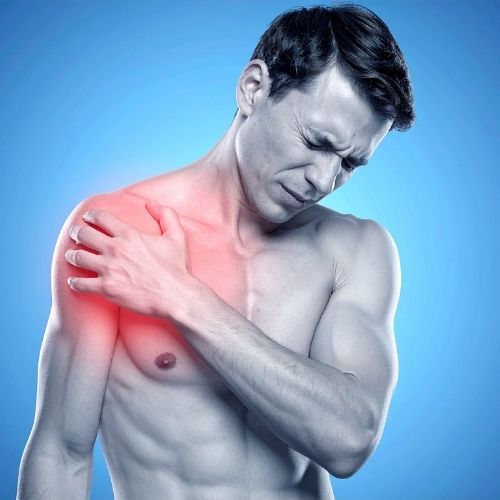
Active adults in Welland - whether recreational runners, gym enthusiasts, cyclists, or weekend sports players - are particularly susceptible to a specific set of minor injuries. Ankle sprains are among the most frequent, typically treated with physical assessment, imaging if needed, compression support, and tailored rehabilitation guidance. Muscle strains in the lower back, hamstrings, or shoulders are also common and respond well to rest, anti-inflammatory medication, and progressive movement therapy. Skin abrasions from falls or contact sports require thorough cleaning and sometimes topical antibiotic treatment to prevent infection. Blisters, minor contusions, and overuse injuries like shin splints are also regularly seen at family clinics. Early treatment of these conditions prevents minor setbacks from becoming chronic problems that sideline active individuals for months.
Minor Injuries in Children – Special Considerations for Welland Parents
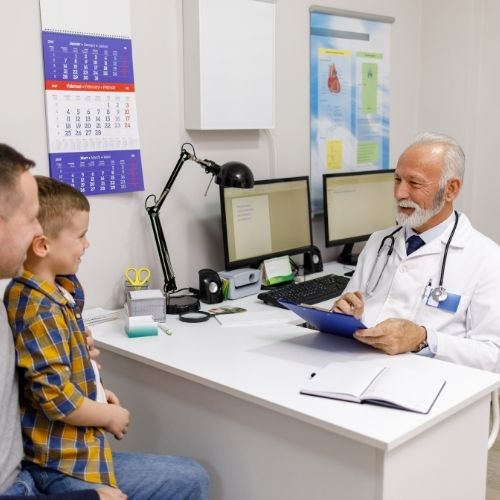
Children are naturally energetic and curious, which makes minor injuries a regular part of family life. However, treating injuries in children requires extra care and attention since their bodies are still developing. Growth plate injuries, for example, can occur in areas that would simply bruise in an adult and need careful assessment to rule out more significant damage. Children are also less able to accurately describe their pain levels, making clinical observation especially important. Parents should monitor their child closely after any injury, watching for signs of increasing swelling, persistent crying, refusal to use a limb, or fever following a wound. A qualified family physician can conduct a thorough, child-friendly examination, provide appropriate pain relief, and advise parents on safe home recovery practices.
The Value of Follow-Up Care After a Minor Injury
Many people make the mistake of assuming their recovery is complete once initial treatment is received. Follow-up care is an equally important part of the healing process that is frequently overlooked. A follow-up appointment allows your physician to assess how well the injury is healing, adjust treatment if needed, identify early signs of infection or complications, and clear you to return to physical activity safely. Skipping follow-up care can lead to incomplete healing, chronic pain, recurring injuries, or long-term mobility issues. This is especially true for joint injuries like ankle and knee sprains, which require proper rehabilitation to restore full strength and stability. Committing to the full course of recommended care - not just the first visit - is what truly ensures a complete and lasting recovery.
Conclusion
Minor injuries are an unavoidable part of an active family life, but they don't have to mean hours in a crowded emergency waiting room or weeks of unnecessary discomfort. With the right knowledge, a calm first response, and access to a trusted local medical team, recovery can be smooth, efficient, and stress-free. Caring Family Doctors in Welland is proud to serve families and active adults across the community with compassionate, same-day minor injury care delivered by experienced, board-certified physicians. Located at Welland, ON, the clinic is open Monday through Saturday and welcomes both walk-in patients and scheduled appointments. Visit us at: https://www.caringfamilydoctors.ca/urgent-care-and-minor-injuries