In today’s construction and demolition industries, sustainability and waste management have become top priorities. With increase of pressure to reduce landfill waste and reuse materials, advanced equipment plays a crucial role in achieving these goals. One such essential machine is the pulveriser. Designed to break down concrete, asphalt, and other materials into recycled and reusable product, a pulveriser mostly enhances recycling efficiency while lowering operational costs.
Understanding the Role of a Pulveriser
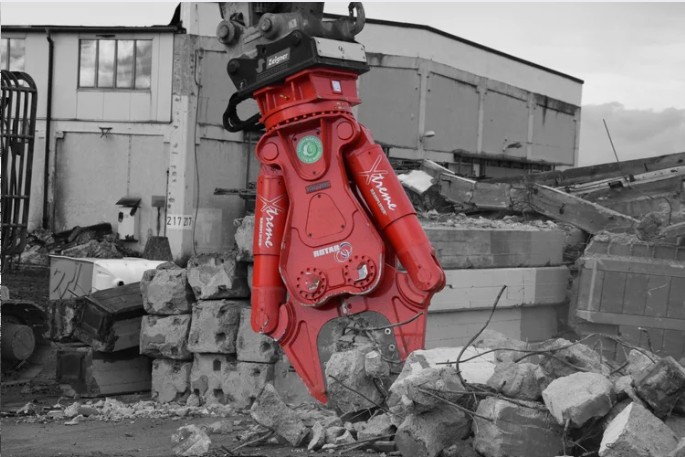
A pulveriser is a heavy-duty attachment most commonly used with excavators to crush and separate materials. It is specifically engineered to handle reinforced concrete by breaking it into smaller fragments and separating steel from debris. This capability makes it a necessary tool in demolition and recycling projects. By transforming bulky waste material into recycled and reusable material a Pulveriser streamlines the process from start to finish.
Efficient Material Breakdown
One of the primary ways a pulveriser improves recycling efficiency is through effective material breakdown. Traditional methods often require multiple machines to crush and process debris. However, a pulveriser can perform these tasks in a single step. Its powerful jaws and cutting edges allow it to crush concrete into smaller pieces while simultaneously exposing embedded metals such as rebar.
This efficient breakdown reduces the need for additional processing equipment, saving both time and resources. As a result, construction companies can handle larger volumes of waste more quickly, improving overall project productivity.
Enhanced Material Separation
Another significant advantage of using a pulveriser is its ability to separate materials effectively. In demolition waste, materials like concrete, steel, and other aggregates are often mixed together. manual separation is lengthy , time consuming and labour intensce. A pulveriser break downs concretes and steel and separate them effectively.
Once separated, these materials can be recycled independently. Steel can be sent for melting and reuse, while crushed concrete can be repurposed as aggregate for new construction projects. This improved separation process not only enhances recycling efficiency but also increases the value of recovered materials.
Reduction in Waste Disposal
Waste disposal is a major challenge in construction and demolition. Landfill costs continue to rise, and environmental regulations are becoming stricter. By using a pulveriser, companies can significantly reduce the amount of waste sent to landfills.
Crushed materials can be reused on-site or transported for recycling, minimizing disposal requirements. This not only lowers costs but also contributes to sustainable construction practices. The ability of a pulveriser to convert waste into usable resources plays a key role in reducing the environmental impact of construction activities.
Improved Operational Efficiency
A pulveriser also enhances overall operational efficiency on job sites. Its ability to perform multiple functions—such as crushing, cutting, and separating—reduces the need for additional machinery and labor. Operators can complete tasks more quickly and with greater precision, leading to faster project completion.
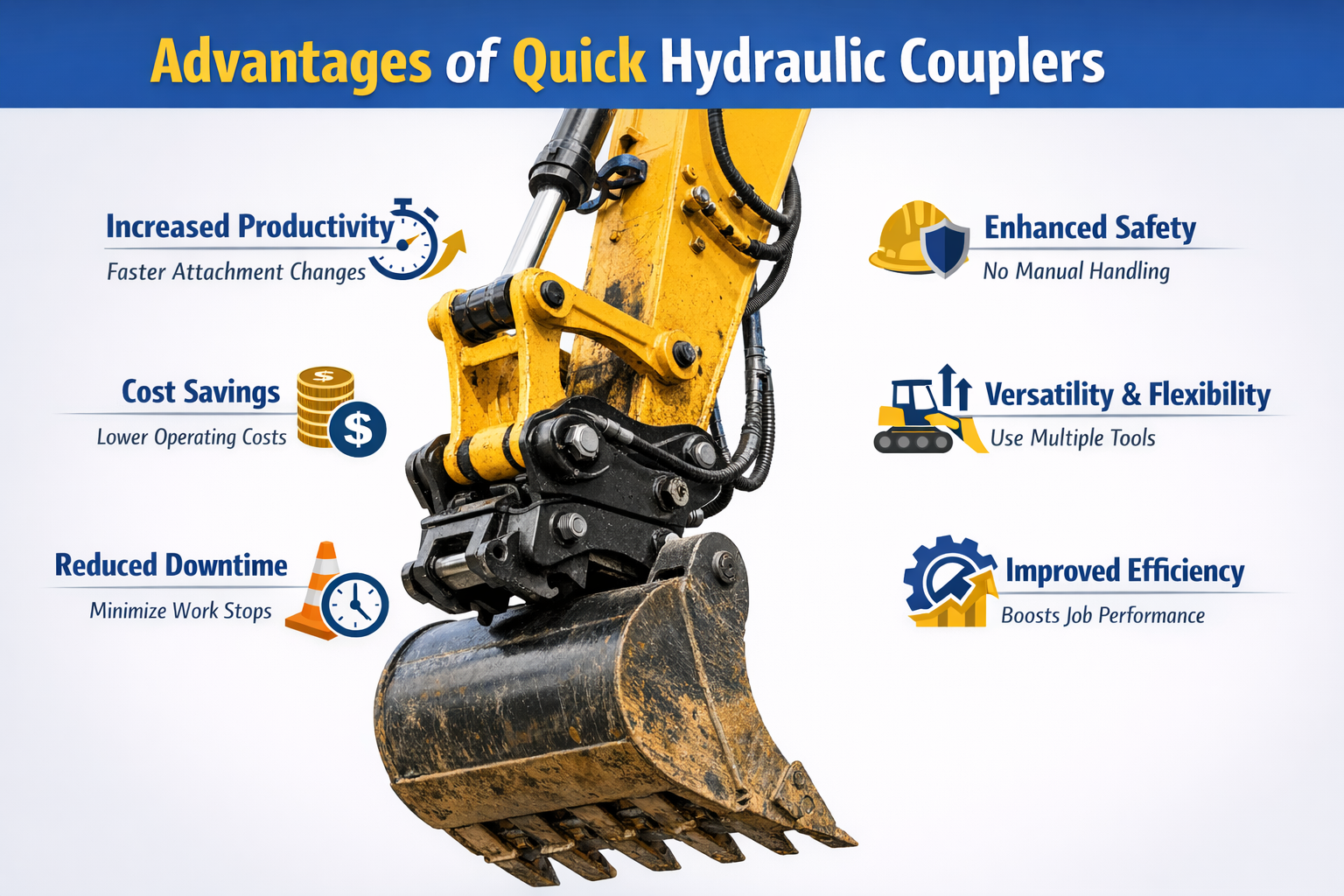
Additionally, modern pulverisers are designed for easy attachment and operation, allowing seamless integration with existing equipment. This versatility ensures that construction teams can adapt to various project requirements without significant downtime.
Cost Savings and Resource Optimization
Using a pulveriser leads to substantial cost savings in several areas. Reduced reliance on multiple machines lowers equipment and maintenance expenses. Faster processing times decrease labor costs, while efficient material recovery increases revenue from recycled materials.
Furthermore, by reusing crushed materials on-site, companies can cut down on the cost of purchasing new raw materials. This optimization of resources not only improves profitability but also supports environmentally responsible construction practices.
Supporting Sustainable Construction
Sustainability is a growing focus in the construction industry, and a pulveriser contributes significantly to this goal. By enabling efficient recycling and reducing waste, it helps conserve natural resources and decrease carbon emissions associated with material production and transportation.
The use of recycled aggregates also reduces the demand for quarrying new materials, preserving natural landscapes. In this way, a pulveriser supports both economic and environmental sustainability, making it a valuable asset for modern construction projects.
A pulveriser is more than just a demolition tool; it is a key component in improving material recycling efficiency. From breaking down and separating materials to reducing waste and cutting costs, its benefits are extensive. By incorporating a pulveriser into their operations, construction companies can enhance productivity, maximize resource utilization, and contribute to a more sustainable future.