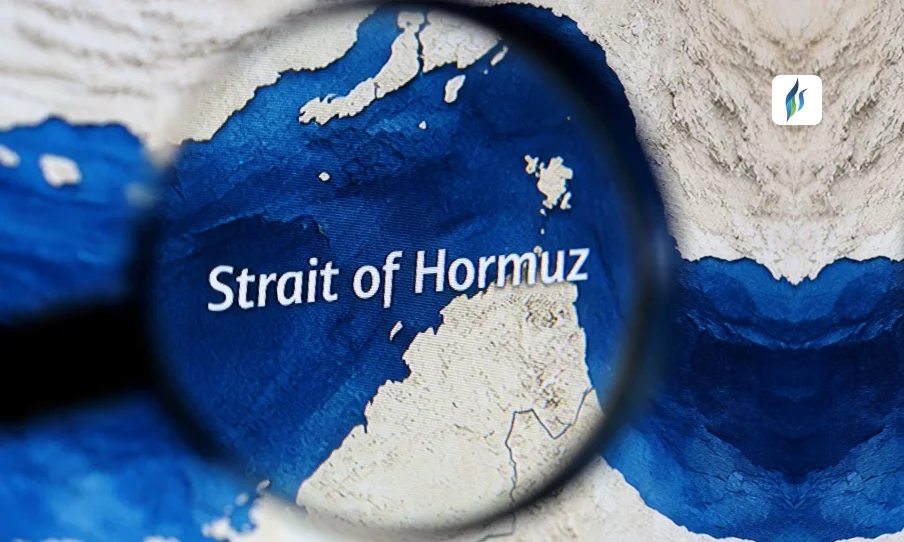
Through the Strait of Hormuz flows a heavy share of Earth’s traded oil, tucked where the Persian Gulf meets the Gulf of Oman. This slim stretch of sea matters deeply – not loud, yet vital – to how nations move fuel and manage markets. Over time, its waters have drawn attention from fleets, economies, and rival powers alike. Power shifts quietly here, shaped by location more than any declaration.
Location and Movement of World Trade
Over here, the Strait of Hormuz links big oil nations in the Middle East straight to buyers around the planet. Think Saudi Arabia, Iran – also Iraq, Kuwait, plus the United Arab Emirates – all depending on these waters to move raw oil out. Just where it pinches tight, you’re looking at roughly 33 kilometers across, still carries close to twenty percent of every drop of oil used worldwide.
Squeezed between land and sea, this slim waterway carries more than crude – think chilled gas too, much of it leaving from Qatar, a top supplier on the planet. Because so much value gets funneled through such a tight route, the Strait of Hormuz matters deeply to economies while sitting exposed to risk. When something goes wrong in these waters, ripples hit fast – price swings, delays, tension across markets worldwide. Energy pulses through here, making quiet hiccups anywhere along the path suddenly very loud.