


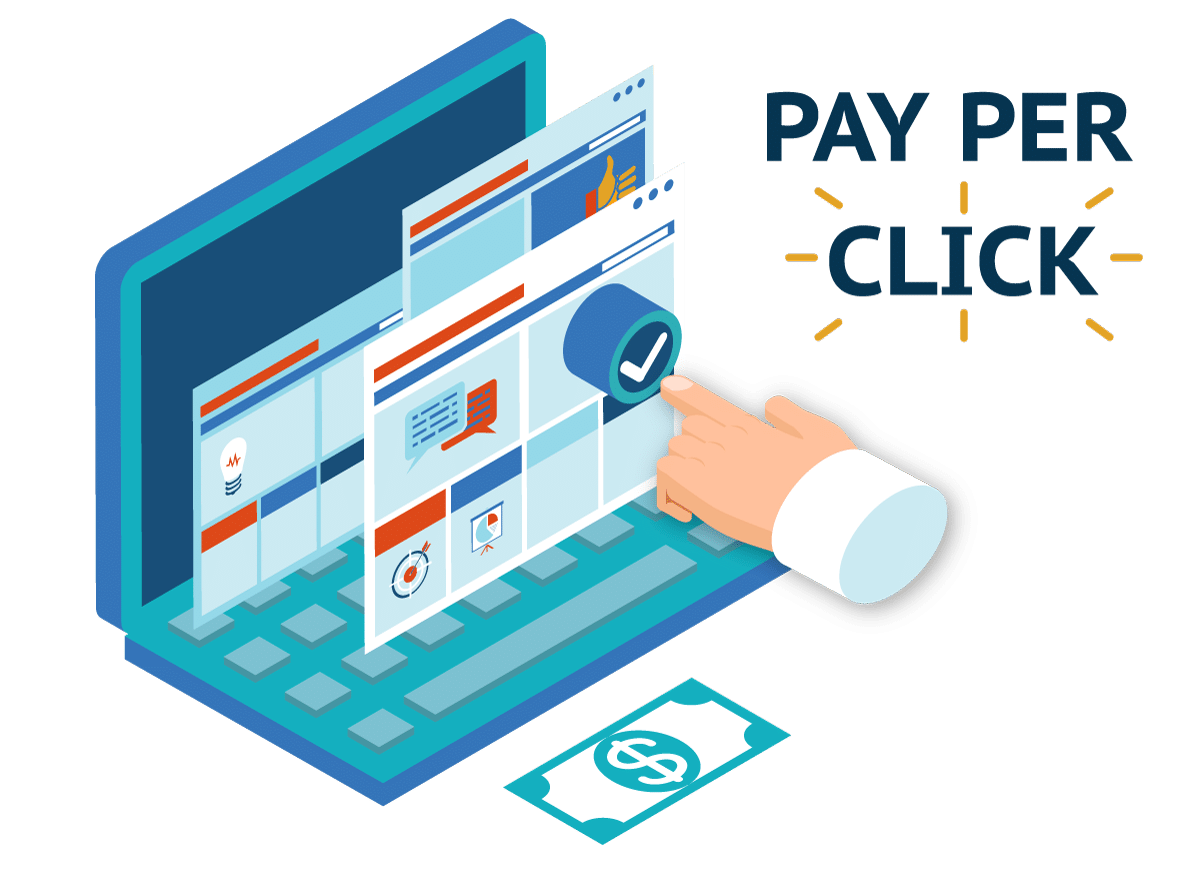
What is Pay-Per-Click (PPC) Marketing?
Pay per click marketing is like paying rent only when someone walks into your shop—not when they just glance at it from across the street. Advertisers don’t pay to be seen. They pay only when someone clicks. That means every rupee spent is tied to real interaction, whether it’s a search result, banner ad or YouTube video.
Why it works:
Instant Visibility – You show up on top of Google today.
Measurable Results – Clicks, cost and conversions, all trackable.
Relevant Traffic – You reach people actively looking for what you offer.
But if done wrong? It’s like chugging a random supplement without checking the label. Waste of energy. Waste of money.
Why You Keep Seeing Gym Ads (Hint: Google Ads)
Let’s get back to our gym guy. He searched for a fitness keyword, clicked a blog, hovered over a protein product and voilà! He’s in the retargeting loop of a smart PPC campaign.
Here’s how Google Ads makes it happen:
1. Google Search Ads
Text ads that show up when users search on Google. Perfect for high-intent queries like “best post workout shake.”
2. Google Display Ads
Eye-catching banners on websites and apps you visit. They retarget you based on past behavior, like those protein deals popping up again.
3. YouTube Ads
Mid-scroll on cooking videos? Enter the supplement ad. YouTube lets brands drop pre-roll or mid-roll video ads right into what you're watching.
Smart Setup = Smart Results
A great PPC campaign isn’t random. It’s carefully planned with:
🔍 Keyword Research
Figure out what your audience is actually typing. Choose keywords that reflect high intent and relevance.
💡 Bidding Strategy
Manual bids give control. Automated ones (like Maximize Conversions) use AI to get better results faster.
🖥️ Landing Page Optimization
If you promise “best post-workout smoothie” and land users on a generic homepage, they’ll bounce. Match your ad and landing page perfectly.
Bad PPC = Bad Gains
Gym bro wouldn’t skip leg day, right? Then don’t skip strategy in PPC marketing. Mistakes like vague targeting, irrelevant landing pages, or zero testing can cost you big time.
Regularly check your:
Keywords
Ad copy
Conversion paths
Bounce rates
Even small changes can turn your campaign from "meh" to "massive."
Final Words from Mr. Zero
So next time you see an ad that weirdly knows what you were just thinking — don’t freak out. That’s not magic. That’s pay per click marketing done right. From Google Search to YouTube and Display banners, smart PPC campaigns don’t chase everyone, they find you when you're most ready to click. Want to stop being confused by ads and start creating them? Join the revolution with Digital Internships 2.0 and learn how to turn clicks into conversions like a pro.

Free online internship with certificate courses using its more than six thousand videos for learning the skillshttps://www.edubull.com/blog/free-online-internship-with-certificate.html

We will also Summer Internship for Engineering students on their related domains with hands on training and certification.We take this opportunity to introduce the training needs of Enterprises and Institutions in the Field of Information Technologies, Soft Skills and Customized Training applications in all Sectors.Free internship in chennai offers summer best internship,inplant and ipt training for Engineering UG,PG Students like BE/BTECH/ME/MTECH/ ...For any information about our free internship in chennai in chennaiVisit us: https://freeinternshipinchennai.co.in/ Admission Office:Door No.
68 & 70, Ground Floor,No.
174, Raahat Plaza,Vadapalani, Chennai.Contact: 9751800789
