

The rapid rise of Over-the-Top (OTT) platforms has transformed how audiences consume content. From video streaming to live broadcasts, users now expect seamless, high-quality experiences across devices. However, delivering this level of performance requires a robust and efficient network infrastructure. This is where direct peering connections become essential for OTT platforms.
Growing Demand for High-Quality Streaming
OTT platforms operate in a highly competitive environment where user experience is everything. Buffering, latency, and poor video quality can quickly drive users away. As streaming traffic continues to surge globally, relying solely on traditional transit networks can create bottlenecks and inefficiencies.
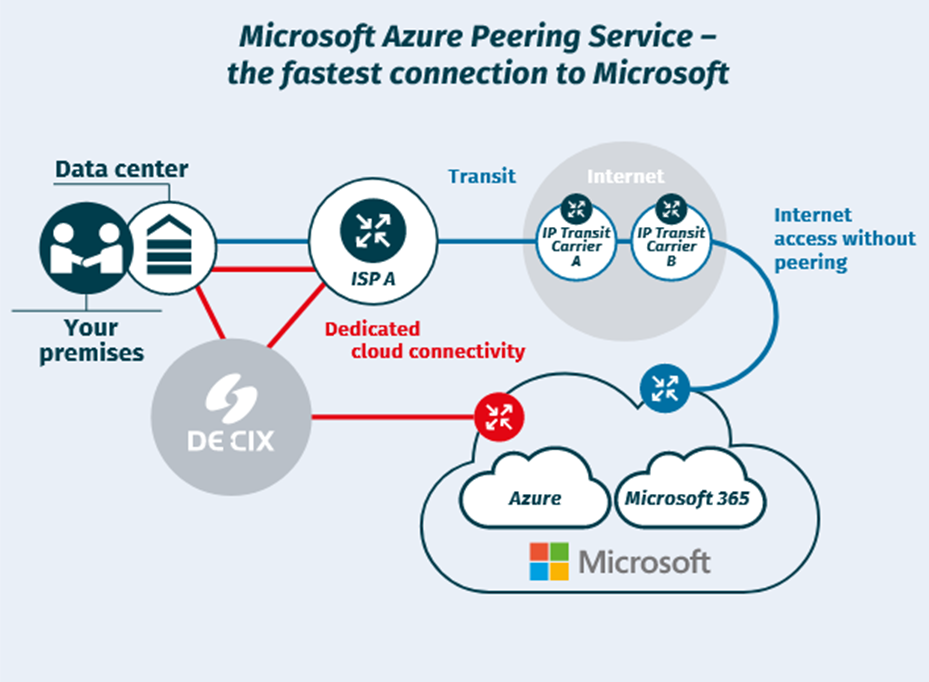
Direct peering allows OTT providers to exchange traffic directly with Internet Service Providers (ISPs), reducing the number of network hops. This leads to faster data delivery, improved video quality, and a smoother viewing experience for end users.
Reduced Latency and Improved Performance
Latency is a critical factor in OTT services, especially for live streaming and interactive content. Indirect routing through multiple networks can increase delays and impact real-time content delivery.
By leveraging Private Interconnect Services, OTT platforms can establish dedicated, high-performance connections with key network partners. These direct routes significantly reduce latency, ensuring content reaches users with minimal delay. As a result, viewers enjoy uninterrupted streaming and better overall performance.
Cost Efficiency and Traffic Optimization
Bandwidth costs can escalate quickly for OTT platforms due to the massive volume of data being transmitted. Traditional transit providers often charge higher fees for data transfer, especially during peak traffic periods.
Working with a reliable Peering Service Provider enables OTT platforms to optimize their traffic flows. Direct peering reduces dependency on expensive transit networks and allows for more predictable cost structures. Additionally, it ensures efficient bandwidth utilization, helping platforms scale without unnecessary expenses.
Enhanced Network Control and Reliability
Direct peering connections provide OTT platforms with greater control over their traffic routes. Instead of relying on third-party networks, they can manage how and where their data flows. This level of control enhances network reliability and reduces the risk of congestion or outages.
With Private Interconnect Services, platforms can create secure and stable connections tailored to their specific needs. This is particularly important for maintaining consistent service quality during high-demand events such as live sports or global premieres.
Future-Proofing OTT Infrastructure
As technologies like 4K, 8K, and immersive streaming continue to evolve, the demand for faster and more reliable networks will only increase. OTT platforms must invest in scalable infrastructure to stay ahead of user expectations.
Partnering with a trusted Peering Service Provider ensures access to advanced interconnection solutions that support future growth. Direct peering not only improves current performance but also prepares OTT platforms for the next generation of digital content delivery.
Conclusion
In today’s streaming-driven world, direct peering is no longer optional for OTT platforms—it is a necessity. By adopting Private Interconnect Services and collaborating with a leading Peering Service Provider, OTT companies can deliver superior performance, reduce costs, and ensure a consistent user experience. Ultimately, direct peering is the backbone of reliable, high-quality OTT content delivery.
For more information visit us @ https://www.de-cix.in/peering-services/

In today’s advanced corporate environment, where geographical distance is no longer an obstacle, offshoring is a worldwide trend.
Companies are still on the lookout for offshore company services that can provide high-quality work while requiring minimal financial investment.