There is a stage in almost every exhibition project where the conversation becomes too focused on appearance. People start discussing colors, shapes, lighting, and how the stand will look in photographs. Those things matter, but they are not usually the reason a display works well on the day of the event. In practice, the stronger result often comes from smaller planning decisions that are made earlier and with less attention.
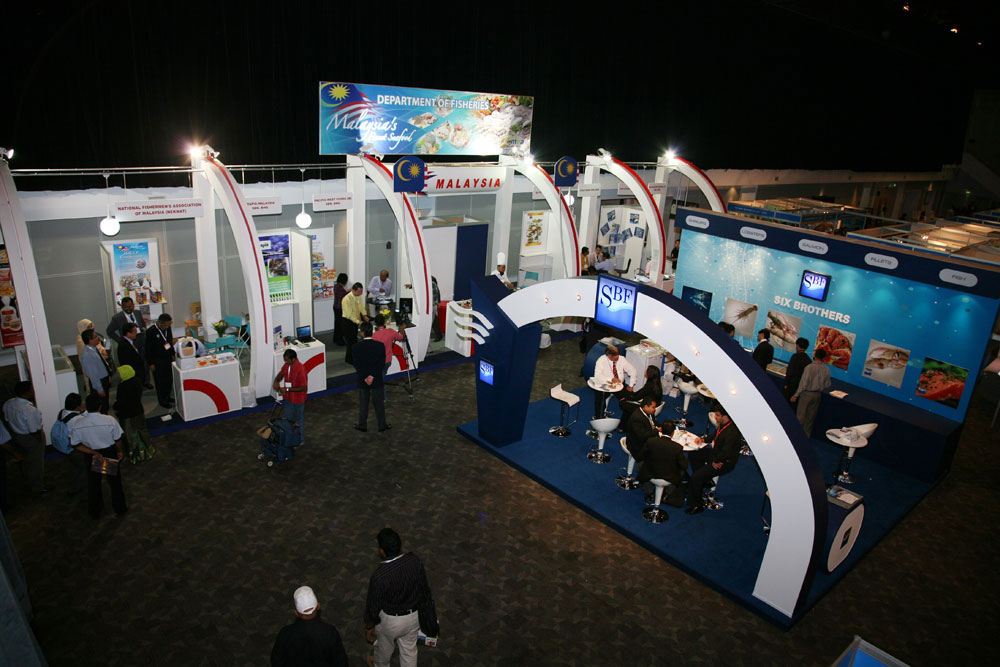
A lot of exhibition display problems begin with a very ordinary assumption. If the stand looks clean in the visual preview, then it should work fine once it is built. That sounds reasonable, but exhibitions do not happen in a controlled mockup. They happen in busy halls, under artificial lighting, around moving crowds, with limited setup time, repeated handling, and constant visual competition from other brands nearby. A display that looked impressive in a static layout can start to feel awkward very quickly if the materials, proportions, or structure were not thought through properly.
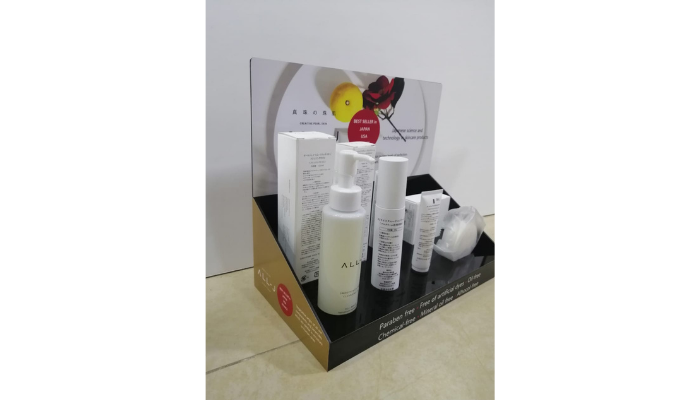
This is one reason acrylic elements continue to be widely used in event and display environments. They can help a setup stay visually neat without making it feel too heavy. Used properly, acrylic works well for brochure holders, product risers, lockable boxes, branded panels, information displays, shelf units, counter features, and smaller presentation details that need to look clean from close range. But the material alone does not solve the planning problem. What matters is how the piece is designed for the real conditions of the event.
The first thing that often gets overlooked is viewing behavior. In an exhibition hall, very few people stand still and study a display in a patient, careful way. Most attendees are moving. They are glancing, scanning, comparing, and deciding quickly whether to stop. That means display pieces need clear hierarchy. The main message should be visible without effort. Product placement should make sense immediately. Printed information should not sit so low or so flat that it disappears into the stand. If someone has to work hard to understand the setup, the moment is usually lost.
The second issue is physical practicality. Brands sometimes approve a display unit without really checking what will happen during transport, unpacking, setup, and reuse. A feature may look good in theory but become frustrating when it needs to be assembled under time pressure. A product holder may look balanced in a draft but feel too light once real items are placed inside. A stand may work well for one event and then prove difficult to store or move to the next venue. These are not dramatic design failures. They are ordinary planning misses, and they are common.
That is why the better question is not only whether a piece looks attractive. It is whether it behaves properly in use. Can it be moved without worry? Can staff set it up easily? Is it stable enough for repeated interaction? Is the product inside clearly visible from a normal angle? Does the branding still read well when people walk past quickly? These questions usually lead to a better display than chasing visual complexity.
Another overlooked point is proportion. Exhibition graphics and display structures are often designed by combining many elements at once: logo, message, product, brochure, lighting, supporting text, and decorative material choices. The problem is that not every piece needs to carry all of those jobs at the same time. In many cases, a cleaner stand performs better because it gives each message enough breathing room. Acrylic is useful here because it can support the layout without making the whole structure feel visually dense.
This is especially relevant in Dubai, where exhibition and launch environments tend to reward polished presentation. A display piece is not only carrying products or brochures. It is also shaping how the brand is read in a crowded and fast-moving setting. That is why simple things such as thickness, edge finish, pocket depth, base stability, and height placement matter more than they first appear to. People may not name those details directly, but they notice the difference between a display that feels well resolved and one that feels improvised.
Material thickness is a good example. On a screen, one acrylic component may not look very different from another. In person, the difference can be obvious. A piece that is too thin for its use may feel less stable or less complete. A brochure holder that is slightly undersized can become awkward to use all day. A display riser with the wrong proportions may look balanced when empty and then feel visually off once actual products are placed on it. These are the kinds of details that only become clear when planning is tied closely to use rather than appearance alone.
This is especially relevant in Dubai, where exhibition stands in Dubai are expected to look polished, install efficiently, and still remain practical enough for real customer interaction throughout the event.
One of the healthier changes in recent years is that more brands now think about reuse from the beginning. Instead of treating every exhibition element as a one-time production job, they ask whether the stand, holder, riser, or display unit can return in another campaign, showroom, counter setup, or future event. Acrylic works well in that kind of planning because it allows for modular thinking. A structure can stay similar while inserts, branding panels, messaging, or products change. That makes the final piece more flexible and, in many cases, more worthwhile.
The strongest exhibition displays are usually not the ones that try to do everything at once. They are the ones that understand their purpose clearly. They guide the eye well. They hold what they need to hold. They fit the space. They survive the day without constant adjustment. And they look finished from the distances and angles that matter in real use.
That is why good display planning is less about adding more elements and more about making better decisions early. When that happens, the final result tends to feel calmer, stronger, and easier to trust. In a crowded exhibition environment, that is often what people notice first.