The landscape of healthcare is shifting. As the "Silver Tsunami" continues, the Medicare population is growing at an unprecedented rate. With this growth comes a surge in service demands and a complex web of regulations that can be overwhelming for both beneficiaries and providers.
In this environment, a specialized Medicare contact center is no longer just a luxury—it is a critical backbone for health plans. Navigating the nuances of Medicare Advantage, Part D, and supplemental plans requires a delicate balance of empathy, technical accuracy, and strict regulatory adherence.
The Importance of Medicare Contact Centers
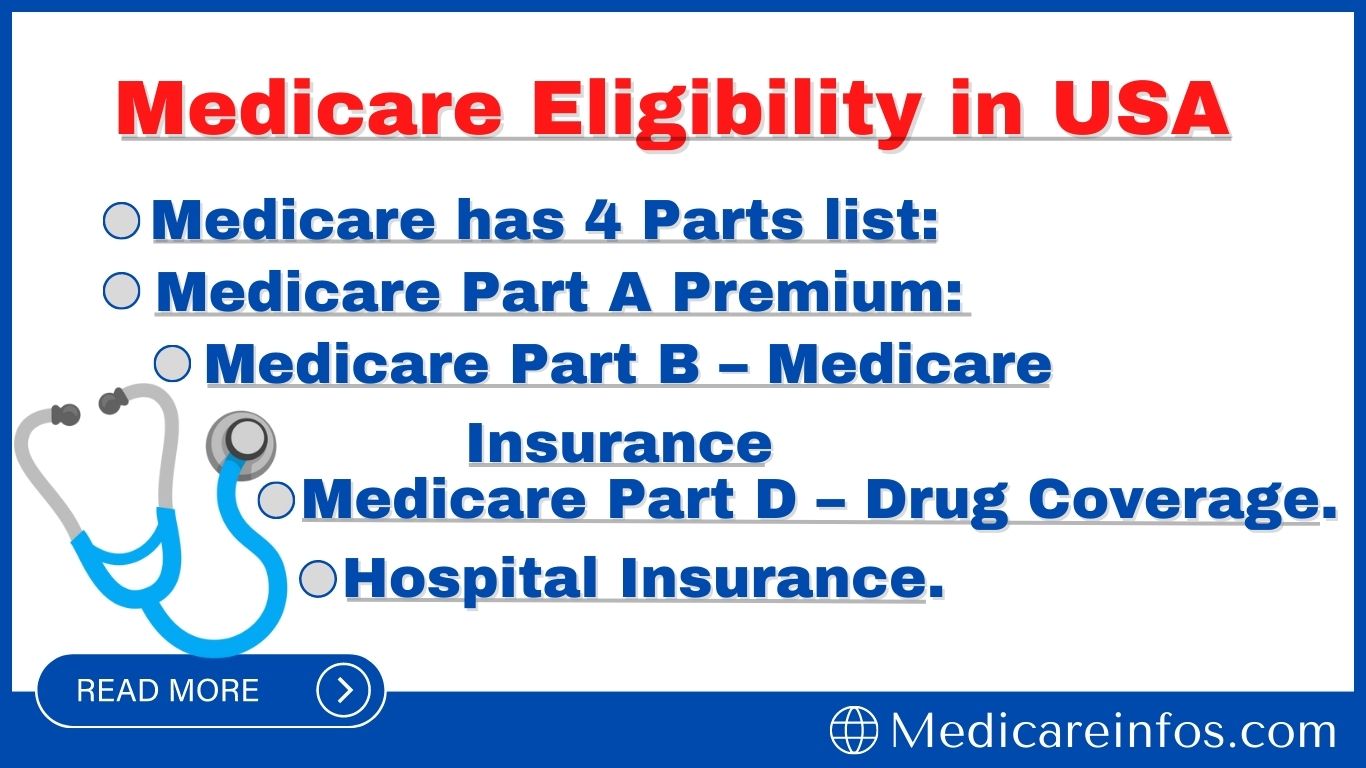
With more seniors choosing Medicare Advantage (MA) plans than ever before, the demand for high-touch support has skyrocketed. Medicare is inherently complex; beneficiaries often struggle to understand the "alphabet soup" of Parts A, B, C, and D.
The role of the contact center is to bridge this gap. By providing accurate, timely, and compliant member support, these centers play a pivotal role in enhancing the member experience, driving retention, and ensuring that beneficiaries get the care they need.
What Is a Medicare Contact Center?
A Medicare contact center is a specialized hub designed to handle interactions specifically related to Medicare programs. Unlike a standard customer service desk, these centers are staffed by professionals trained in the specific rules set by the Centers for Medicare & Medicaid Services (CMS).
These centers offer comprehensive medicare contact center operations for:
- Medicare Advantage plans
- Private insurance payers
- Managed Care Organizations (MCOs)
- Medicare BPO (Business Process Outsourcing) partners
They are built to handle high-volume interactions—especially during peak seasons—while maintaining the highest standards of data security and compliance.
Core Services Offered by Medicare Contact Centers
To provide a seamless experience, a Medicare contact center must manage various touchpoints across the member’s journey.
Member Customer Support
Agents handle a wide range of inquiries, from explaining benefit summaries and coverage limits to assisting with account updates. They act as plan guides, helping members find in-network doctors or understanding their co-pay structures.
Enrollment and Eligibility Assistance
The enrollment process is often the first point of contact. Medicare BPO providers assist members through the Initial Enrollment Period (IEP) and the high-pressure Annual Enrollment Period (AEP). Verifying eligibility and ensuring all data is captured correctly is vital to preventing future claims issues.
Claims Inquiry and Resolution
One of the most frequent reasons a member calls is to check the status of a claim. Contact center agents provide transparency, resolve disputes, and coordinate communication between the member, the payer, and the provider to ensure timely payment.
Provider Support Services
It’s not just about the members. Medicare operations also involve supporting the provider network. Centers handle inquiries regarding reimbursements, facilitate coordination between plans and clinics, and ensure that providers have the information they need to deliver care.
Compliance and Regulatory Requirements
In the world of Medicare, compliance is everything. A single slip-up in how data is handled can lead to massive CMS fines or legal repercussions.
- HIPAA Compliance: Every interaction must adhere to the Health Insurance Portability and Accountability Act to ensure the privacy of member data.
- CMS Regulations: Contact centers must follow strict CMS guidelines regarding script accuracy, call recording, and transparency.
- Secure PHI Handling: Robust systems must be in place to protect Protected Health Information (PHI).
- Audit Readiness: Every call and digital interaction must be documented in an audit-ready format to satisfy regulatory reviews at any time.
Technology Supporting Medicare Contact Centers
Modern medicare contact center operations rely on a sophisticated tech stack to maintain efficiency and accuracy:
- Omnichannel Platforms: Members can reach out via their preferred method—voice, email, web chat, or SMS.
- Advanced CRM Systems: Centralized member management systems provide agents with a 360-degree view of the member's history.
- Intelligent IVR: Smart call routing ensures members are connected to the right specialist quickly, reducing wait times.
- Real-Time Analytics: Dashboards allow managers to monitor performance and compliance in real-time, catching issues before they escalate.
Benefits of Medicare Contact Centers
Investing in a dedicated Medicare contact center or partnering with a Medicare BPO offers significant advantages:
- Improved Member Satisfaction: Quick, accurate answers lead to higher Star Ratings and better member retention.
- Reduced Administrative Burden: Outsourced or specialized centers free up health plans to focus on clinical outcomes rather than administrative tasks.
- Faster Issue Resolution: Specialized training means agents can resolve complex claims or enrollment issues on the first call.
- Expert Coordination: Better communication between members, providers, and payers leads to a more cohesive healthcare ecosystem.
Organizations That Benefit from Medicare Contact Centers
While Medicare Advantage plans are the primary users, several other entities rely on these services:
- Health Insurance Companies managing supplemental plans.
- Managed Care Organizations (MCOs) overseeing government-sponsored care.
- Third-Party Administrators (TPAs) who handle data and claims processing for larger entities.
Key Performance Metrics
To ensure excellence, Medicare contact centers track specific KPIs:
- First Call Resolution (FCR): Resolving the member’s issue during the first interaction.
- Average Handle Time (AHT): Ensuring efficiency without sacrificing the quality of the interaction.
- Member Satisfaction Score (CSAT): Direct feedback from beneficiaries on their experience.
- Claims Turnaround Time: How quickly a disputed claim is resolved through the contact center’s intervention.
Future Trends in Medicare Contact Centers
The future of Medicare support is digital and proactive. We are seeing a shift toward:
- AI-Driven Engagement: Using AI-powered chatbots for simple inquiries and automated reminders for preventative care.
- Self-Service Portals: Empowering tech-savvy beneficiaries to check claims or change info online.
- Predictive Analytics: Using data to identify "at-risk" members who might need proactive outreach.
- Scalable BPO Models: More plans are looking for flexible Medicare BPO partnerships that can scale up instantly during the Annual Enrollment Period.
Conclusion
A Medicare contact center is much more than a department that answers phones; it is a critical hub for compliance, member advocacy, and operational excellence. By combining advanced technology with deep regulatory expertise, these centers ensure that the growing Medicare population receives the support they deserve while keeping health plans audit-ready and efficient.
For More: www.ameridial.com/who-we-serve/healthcare-payer/medicare-plans/