





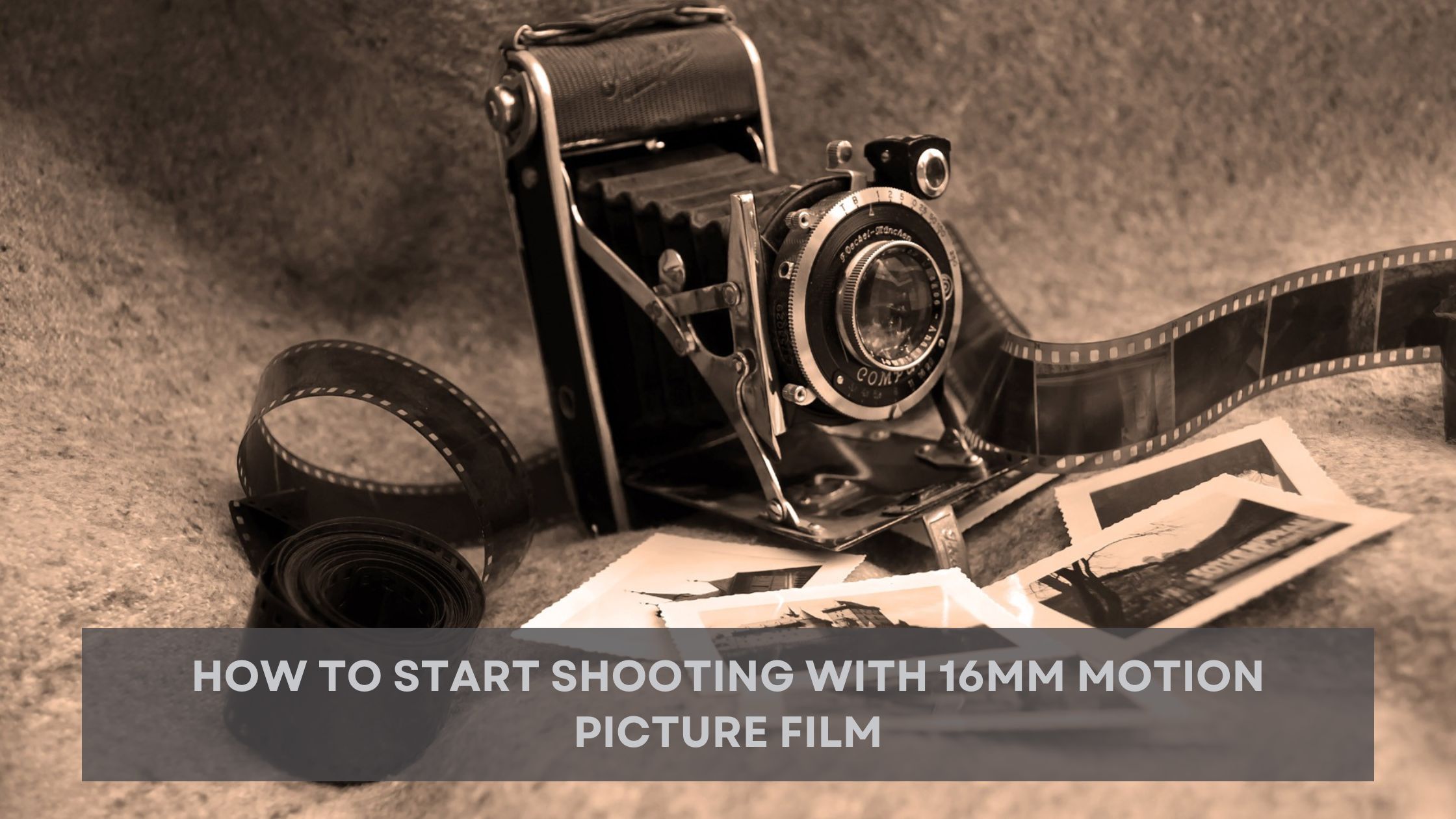
The growing revival of 16mm motion picture film has inspired filmmakers, students, and creative artists worldwide to return to the authentic beauty of analog cinematography. In a digital-first era, more directors are embracing film for its timeless texture, cinematic grain, and artistic depth. Learning how to shoot with 16mm motion picture film can open the door to a completely new level of storytelling and visual creativity. Whether you are a beginner filmmaker or a content creator wanting to experiment with vintage aesthetics, starting your journey with film can be both exciting and rewarding.
Understanding Why 16mm Motion Picture Film Is Popular
Before diving into the technical process, it is important to understand why 16mm motion picture film remains highly valued in the film industry. Unlike digital cameras, film captures light organically, producing natural grain, warmer tones, and a nostalgic cinematic look that many modern filmmakers desire.
Compared to 35mm motion picture film, 16mm offers a more affordable and accessible entry point for beginners. While motion picture film 35mm is often used in major Hollywood productions for larger cinematic projects, 16mm is favored by independent filmmakers, documentary creators, and students because it delivers professional quality while being budget-friendly.
Choose the Right 16mm Camera
The first step to shooting with 16mm motion picture film is selecting the right camera. Several classic cameras are still available and widely used today.
Popular beginner-friendly options include:
- Bolex H16
- Canon Scoopic
- Arriflex 16SR
- Krasnogorsk K-3
These cameras are reliable, durable, and ideal for learning the basics of motion picture film shooting. When buying a camera, always ensure it has been tested and serviced properly because vintage equipment may require maintenance.
Buy the Correct Film Stock
Once you have your camera, the next step is choosing your film stock. Film stock determines the look, grain, color, and mood of your footage.
Some popular choices include:
- Color Negative Film for vibrant cinematic visuals
- Black and White Film for classic artistic projects
- Reversal Film for vintage-style footage
Many filmmakers start with Kodak stocks because they offer exceptional quality for 16mm motion picture film users. Choosing the right stock depends on your lighting environment and project goals.
Learn Proper Exposure and Lighting
Unlike digital cameras, motion picture film requires careful exposure settings because film reacts differently to light. Overexposure or underexposure can dramatically affect your final footage.
To improve your results:
- Use a Light Meter: A light meter helps measure lighting accurately and ensures proper exposure.
- Understand ISO Ratings: Different film stocks have varying sensitivity levels to light.
- Practice Natural Lighting: Beginners should start shooting in daylight to simplify exposure management.
Mastering lighting is essential because 16mm motion picture film captures shadows and highlights differently than digital cameras.
Plan Every Shot Carefully
Because film stock and development can be expensive, every second matters. Unlike digital recording, you cannot shoot endless footage without cost.
Professional filmmakers recommend:
- Storyboarding scenes in advance
- Rehearsing actors before filming
- Testing camera angles beforehand
- Measuring shot duration carefully
Planning helps maximize every frame of your 16mm motion picture film roll and reduces unnecessary waste.
Process and Scan Your Film
After filming, your footage must be developed and scanned by a professional lab. This process converts your motion picture film into digital files for editing.
Many labs specialize in:
- Developing negatives
- High-resolution scanning
- Color correction services
This is where your analog footage transforms into editable content while preserving the rich texture that makes 16mm motion picture film unique.
Understand the Difference Between 16mm and 35mm
Many beginners often compare 16mm to 35mm motion picture film before starting. While motion picture film 35mm offers sharper resolution and is often used in blockbuster productions, 16mm provides a raw, gritty, and intimate aesthetic that many creators love for indie films and documentaries.
For first-time filmmakers, 16mm motion picture film offers the perfect balance of affordability and professional cinematic quality.
Final Thoughts
Learning how to start shooting with 16mm motion picture film is an exciting step into the world of traditional filmmaking. From choosing your camera to mastering exposure and processing your footage, every stage offers a deeper appreciation for the art of cinema. As more creators move back toward analog storytelling, 16mm motion picture film continues to prove its lasting value in modern filmmaking. Whether you dream of making short films, documentaries, or artistic reels, starting with film can elevate your creativity and give your work a truly timeless cinematic feel.
The early man who lived in caves soon began residing in ones made of mud, then progressed to wood, and now, we live in an era where no building structure is made without the use of cricks, rods, and cement.With the change in the surroundings, man has this natural instinct of adapting to means to make their lives comfortable and even entertaining.
You cannot possibly go through a day without being on social media or watching a web series, can you?
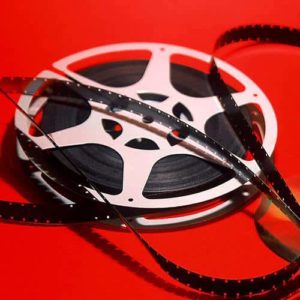
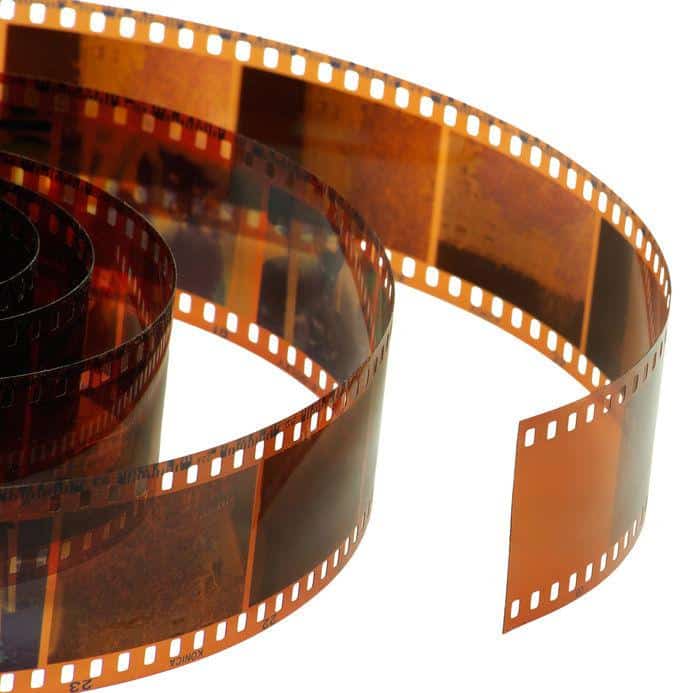
The entertainment industry thus had given rise to moving pictures and movies.What is a photographic film?A photographic film is a chemical emulsion on a plastic saturate, which is made sensitive to light and allows one to capture pictures.
16 mm is a famous and historical gauge of film.
The 16mm film was an early invention that is quite cost-friendly and less time taking.Conversion of 16mm films to DVDWith the rise in digital innovations and developments, things are not the same anymore.
Digitalization of assets, in a way, saves time and improves efficiency.In addition, the film market is not left behind in this race.
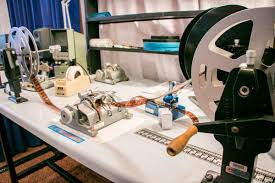
If you are searching 16mm Film to DVD, Our experienced, professional transfer technicians oversee every part of the process.
Best of all, you’ll actually be able to take them home and watch it at your leisure.
For more info, visit our website: - https://www.lifetimeheritagefilms.com/media-we-digitize.