


In the daily rhythm of school hallways and classrooms, an unexpected period can turn an ordinary day into a source of anxiety and disruption. For countless students across India, the UK, and the USA, that moment of surprise still carries unnecessary stress. Preparing a discreet emergency period kit to keep in a school locker has emerged as a practical, empowering solution offering immediate access to essentials, preserving dignity, and helping keep girls present and focused on learning rather than managing discomfort or embarrassment.
Finding the right intimate wear can be tough, especially when bras pinch, slip, or don't provide enough support during school or play. Whether you're a teen girl or a young woman, we understand the frustration. That's why DChica created India's first teen-focused innerwear collection breathable cotton designs with adjustable straps, high coverage, and leakproof period panties. Our bras, camisoles, period panties, and shapewear offer the perfect balance of comfort and support. Celebrate your growth and confidence every day at DChica. Shop now!
Why Emergency Period Kits Have Become Essential in Schools
Modern schools serve as critical environments where physical health directly influences academic participation. In the United States, legislation in 27 states plus Washington, D.C. now requires free period products in public schools, reflecting widespread agreement that access to these items is a basic equity issue. The United Kingdom's long-running Period Product Scheme reaches the vast majority of secondary schools, supplying free pads, tampons, and other items to eliminate financial and logistical barriers. In India, national programs such as the Scheme for Promotion of Menstrual Hygiene distribute pads and conduct awareness efforts, though significant gaps in coverage and infrastructure remain.
An emergency kit stored in a locker acts as a reliable personal backup. Typical contents include several pads or tampons, spare underwear, cleansing wipes, a small pain reliever, and a compact disposal bag or pouch. When unexpected bleeding arrives early or heavier than anticipated, the student can handle the situation privately and return to class quickly. Studies repeatedly show that lack of access contributes to missed school days; reliable on-site solutions help close that gap.
Shifting Preferences: The Rise of Sustainable Menstrual Options
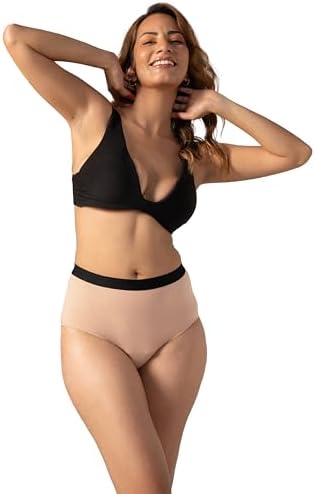
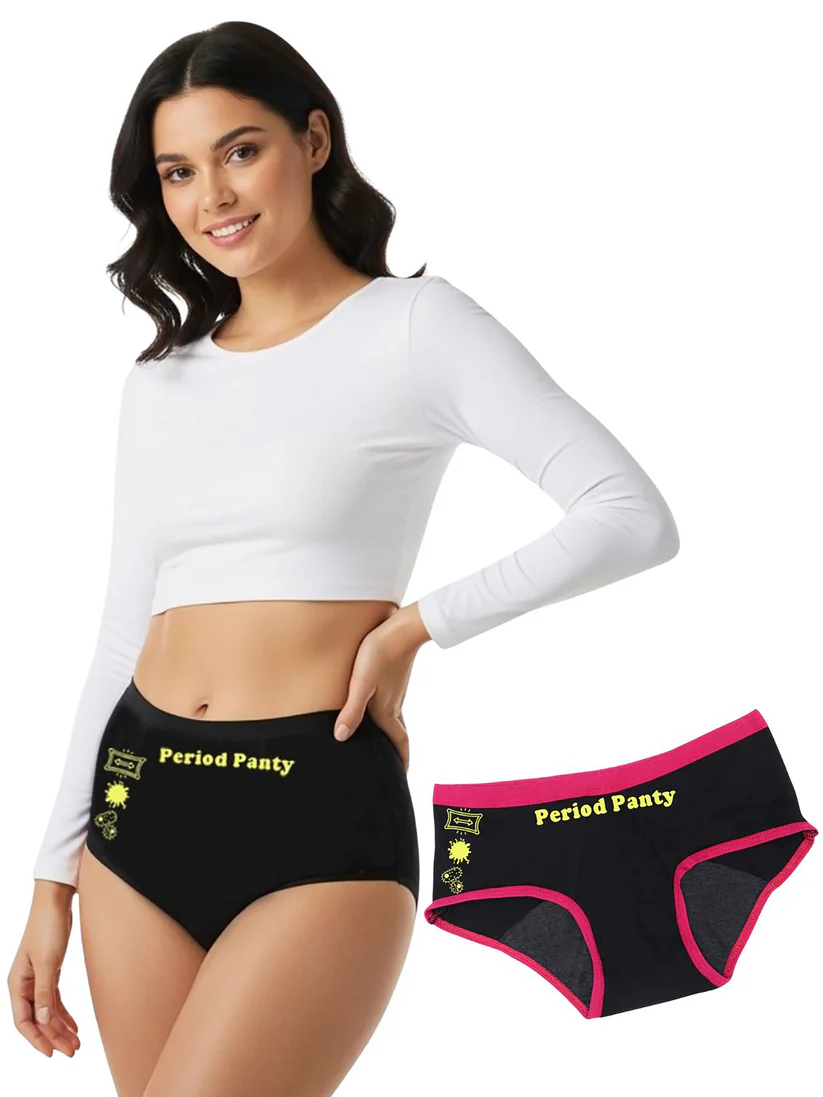
The menstrual product category is steadily moving toward reusability and lower environmental impact. Period panties reusable underwear engineered with layered absorbent fabrics have gained considerable attention for their comfort, discretion, and long-term value. According to industry analysis, the global period panties market was valued at USD 133.8 million in 2023 and is expected to grow significantly by 2030, driven by heightened consumer focus on hygiene, sustainability, and reduced waste compared with single-use pads and tampons.
In North America, brands have introduced breathable, moisture-wicking designs that appeal to environmentally conscious users. Across Asia-Pacific, including India, manufacturers are launching reusable absorbent underwear suited to local climates and preferences, complementing government efforts to promote cloth-based alternatives. In Europe, including the UK, research into biodegradable and bio-based materials continues to advance. For school kits, incorporating one or two pairs of period underwear alongside traditional disposables gives students flexible, longer-lasting options that align with these broader shifts.
Reusable versus Disposable: Practical Trade-offs
Reusable items such as period underwear and menstrual cups require initial investment and proper care, yet many users find them more economical and comfortable over time. Disposable pads remain the default choice in most school settings because they demand no washing facilities. The growing availability of both categories allows students and schools to balance immediate convenience with future sustainability goals.
Real-World Impact: How Kits Are Making a Difference
In California, state law mandates free period products in grades 6–12; many districts now distribute starter kits that include educational pamphlets, helping normalize open conversation about menstruation. Community-led programs in St. Louis have documented sharp reductions in absenteeism after ensuring consistent product availability. Similar patterns appear elsewhere in the United States where targeted distribution efforts have lowered the proportion of students who miss class because of period-related challenges.
The UK's national scheme, administered through established suppliers, allows schools to order products scaled to enrollment, with pads remaining the most requested item. Primary schools that actively participate report improved student confidence and fewer hygiene-related absences. In India, UNICEF-supported initiatives in states like Jharkhand combine teacher training, pad distribution, and emergency kits, while corporate programs reach millions of rural girls through school-based channels. In disaster-prone regions, innovative distribution models such as discreet pad-dispensing units have been adapted to provide reliable access even when conventional supply chains falter.
Persistent Barriers That Kits Help Overcome
Progress coexists with stubborn obstacles. In India, outdated school sanitation facilities and widespread lack of pre-menarche education leave many girls unprepared and vulnerable to stigma or isolation during their periods. Rural and low-income communities often face acute shortages of both products and private changing spaces.
In parts of the United States, coverage varies widely by state and district; rural schools and under-resourced areas frequently lag behind urban counterparts. Hesitation to adopt reusables sometimes stems from limited access to laundry facilities or cultural preferences for single-use items. The UK continues to work on raising participation rates in primary schools and addressing inconsistent water and disposal infrastructure in older buildings. Across all three countries, incomplete menstrual health education in curricula leaves gaps that increase health risks and reinforce silence around the topic.
Deep-rooted stigma still discourages open discussion and can lead to teasing or withdrawal from school activities.
Supply disruptions during holidays, pandemics, or natural disasters expose the fragility of reliance on home stocking alone.
Heavy dependence on disposables contributes to substantial waste that schools and communities increasingly seek to reduce.
Opportunities Created by Widespread Kit Adoption
Well-stocked emergency kits deliver immediate practical benefits while supporting longer-term gains. Reduced absenteeism preserves learning continuity and helps narrow achievement gaps linked to gender and socioeconomic status. Schools that integrate kits into broader health programming frequently observe higher attendance, improved concentration, and greater student self-assurance.
From a societal perspective, normalizing access encourages partnerships between governments, NGOs, and private companies to expand affordable, high-quality options. Reusable products, when chosen thoughtfully, lower lifetime costs for families and decrease environment pressure on landfills. When schools actively promote menstrual literacy alongside product availability, they foster a generation more equipped to make informed choices about health and sustainability.
Practical Steps and a Forward-Looking Perspective
Building a reliable locker kit is straightforward. Start with three to four pads or tampons suited to your usual flow, one pair of spare underwear, individually wrapped wipes, a mild pain reliever if needed, and a small zip pouch or cloth bag for discreet storage and transport. Add a spare hair tie or small deodorant wipe if personal preference dictates. Keep the kit compact so it fits easily without drawing attention.
Parents, guardians, and students should review and refresh contents every few months. Schools can support the practice by maintaining well-stocked restrooms, offering disposal bins with lids, and incorporating age-appropriate menstrual health lessons into wellness curricula. Looking ahead, continued policy momentum coupled with innovations in comfortable, sustainable products points toward a future in which period-related interruptions become far less common. Emergency kits are more than a stopgap; they represent a quiet but powerful commitment to equity, enabling every student to participate fully regardless of the calendar or biology.
Frequently Asked Questions
What should I put in an emergency period kit for school?
A well-prepared school locker period kit should include 3–4 pads or tampons suited to your flow, one pair of spare underwear, individually wrapped cleansing wipes, a mild pain reliever, and a small zip pouch or cloth bag for discreet storage. Optional extras like a spare hair tie or deodorant wipe can be added based on personal preference. The goal is to keep it compact enough to fit in your locker without drawing attention, and to review and replenish contents every few months.
Are period products free in schools in the US, UK, and India?
In the United States, 27 states plus Washington, D.C. now require free period products in public schools, and California specifically mandates them in grades 6–12. The UK's Period Product Scheme supplies free pads, tampons, and other items to the vast majority of secondary schools. In India, national programs like the Scheme for Promotion of Menstrual Hygiene distribute pads and conduct awareness campaigns, though gaps in rural coverage and infrastructure still remain making a personal emergency kit especially valuable as a backup.
Can I use period underwear in a school emergency period kit?
Yes period underwear (reusable absorbent underwear with layered moisture-wicking fabric) is an excellent addition to a school locker kit, offering comfort, discretion, and long-term value. Including one or two pairs alongside traditional disposable pads gives students flexible options while aligning with the growing shift toward sustainable menstrual products. While reusables require washing after use, having them on hand at school ensures you're covered for the rest of the day until you get home.
Disclaimer: The above helpful resources content contains personal opinions and experiences. The information provided is for general knowledge and does not constitute professional advice.
You may also be interested in: Best Leak-Proof Period Panties for Teenage Girls in India - D'chica
Finding the right intimate wear can be tough, especially when bras pinch, slip, or don't provide enough support during school or play. Whether you're a teen girl or a young woman, we understand the frustration. That's why DChica created India's first teen-focused innerwear collection breathable cotton designs with adjustable straps, high coverage, and leakproof period panties. Our bras, camisoles, period panties, and shapewear offer the perfect balance of comfort and support. Celebrate your growth and confidence every day at DChica. Shop now!