





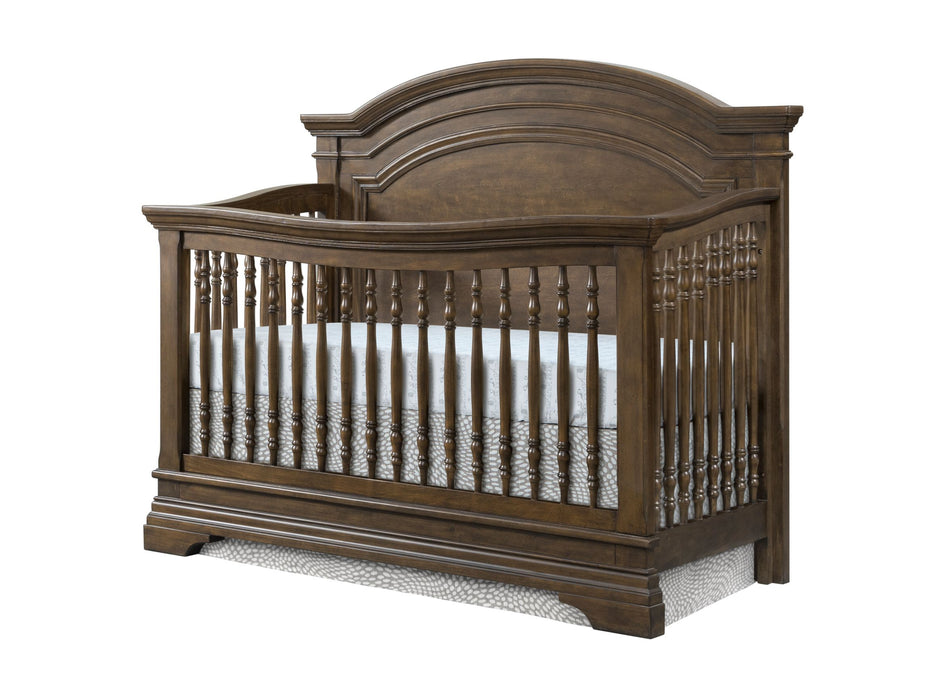
Welcoming a new baby is one of the most exciting chapters in any parent's life. One of the first big decisions you'll face is choosing the right nursery furniture — and at the heart of every nursery sits the crib. Whether you're a first-time parent or adding to your growing family, this Spring Season is the ideal time to plan your baby's sleep space with care and intention.
A crib isn't just a place for your baby to sleep. It sets the tone for the entire room, supports healthy rest, and — most importantly — keeps your child safe every night. With so many options available today, from full-size convertible models to compact mini cribs for small nursery spaces, knowing where to start can feel a little overwhelming.
This guide covers everything you need to know — what features matter most, which types of cribs work best for different families, which brands consistently deliver quality, and how to put together a nursery that looks great and functions even better. If you're in or near Pleasant Hill, California, you also have access to one of the Bay Area's longest-standing baby furniture showrooms, which makes the whole process a lot easier.
Why Spring Season Is the Right Time to Set Up Your Baby's Nursery
The Spring Season naturally brings a fresh energy that's perfect for planning new beginnings. If you're expecting a baby later this year, now is genuinely one of the best times to start putting your nursery together — and there are a few very practical reasons for that.
First, many baby furniture brands release their newest collections between late winter and early spring. That means you'll have access to the widest selection of styles, finishes, and features right now — before popular items sell out or go on back order.
Second, lead times matter more than most new parents expect. Convertible cribs for nursery use — especially those made from solid wood or built to order — can take anywhere from four to eight weeks to arrive and ship. If you wait until your third trimester to start shopping, you may find yourself scrambling.
Third, many retailers run Spring Season promotions that offer better pricing than last-minute or holiday shopping windows. If you're putting together a complete nursery furniture set, timing your purchase well can make a meaningful difference in your budget.
Finally, there's the practical reality of assembly. Building nursery furniture — including a crib, dresser, and glider — takes time and energy. Getting it done a few months before your due date means the room is finished, safe, and ready without the time pressure that comes in the final weeks of pregnancy.
What to Look for When Choosing the Right Cribs for Your Baby
Not all cribs are built the same way, and the right choice depends on your baby's safety needs, your nursery layout, your household budget, and how long you want the piece to last. Here's a straightforward breakdown of what actually matters:
Safety Certifications
Always look for models that meet current CPSC (Consumer Product Safety Commission) standards. GreenGuard Gold certified cribs for newborns go a step further — they've been independently tested for chemical emissions, which matters a lot in a small, enclosed room where a baby sleeps for 12 to 16 hours a day.
Convertibility
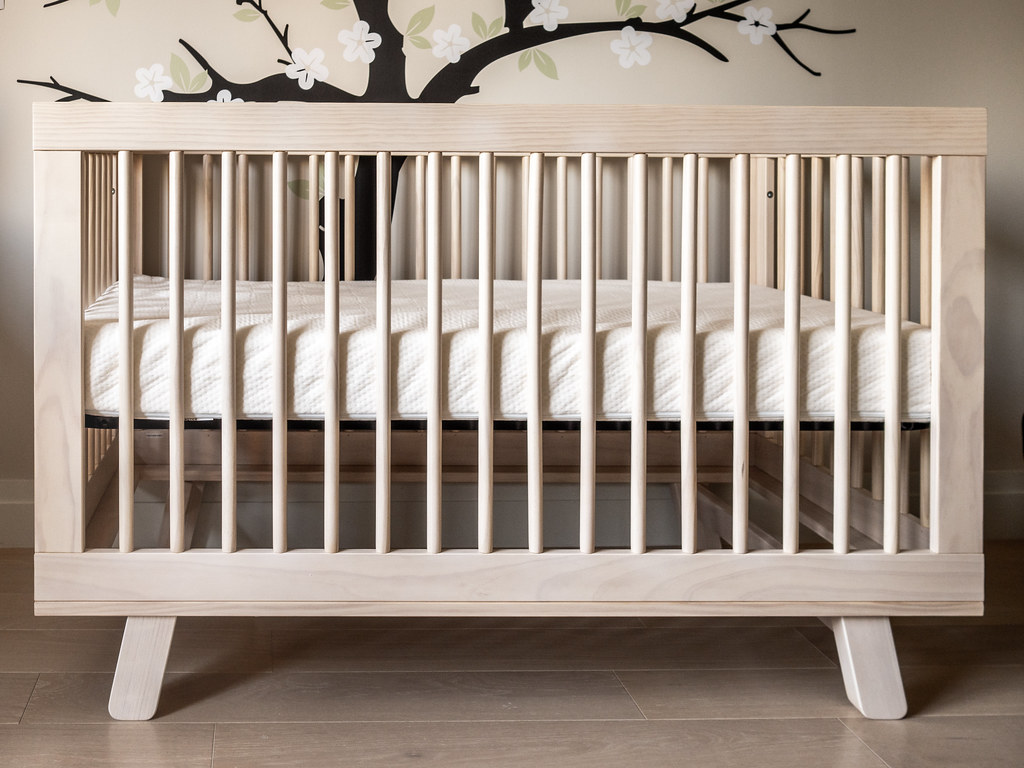
Many parents prefer convertible cribs that grow with your child. These models transition from a standard crib to a toddler bed — and sometimes to a full-size bed — using a conversion kit. This extends the useful life of the piece well into childhood, which adds real value over time.
Material Quality
Solid wood construction holds up significantly better than MDF or particleboard alternatives. It's more resistant to warping, handles daily use better, and tends to look better for longer.
Adjustable Mattress Height
A crib with adjustable mattress height settings lets you keep the mattress raised when your baby is a newborn — so you're not straining your back reaching down — then lower it as your baby grows and starts pulling up to stand.
Style and Finish
The crib will anchor the entire look of the nursery, so it's worth thinking about the overall aesthetic you want — modern and minimal, farmhouse-inspired, or classic and warm — before committing to a finish.
Size
A standard crib typically fits a 28" x 52" mattress. If your nursery square footage is limited, a mini crib for small nursery spaces offers a noticeably smaller footprint while still meeting all safety requirements.
Top Types of Cribs Available for Modern Nurseries
The market for nursery furniture has expanded considerably, and parents now have more choices than ever. Here's a clear breakdown of the most common crib types you'll encounter while shopping:
Standard Convertible Cribs
These are the most popular choice for families who want long-term value. They convert into toddler beds and, with the right kit, into full-size beds. Brands like Romina, Appleseed, and Namesake are consistently well-regarded in this category.
Mini Cribs
These have a smaller footprint and are well-suited for apartments, shared rooms, or families that want flexibility. Some models are also portable, which adds an extra layer of convenience for travel.
4-in-1 Convertible Cribs
These take the convertible concept further, transitioning from crib to toddler bed to daybed and finally to a full-size headboard. The Heritage House Artisan 4-in-1 Convertible Crib is one well-known example — it combines a clean farmhouse silhouette with a sturdy, practical build.
GreenGuard Certified Cribs
These overlap with the types above but are specifically vetted for low chemical emissions. For parents who prioritize indoor air quality, looking specifically for GreenGuard Gold certified baby cribs is a smart starting point.
When you're ready to buy premium baby cribs for nursery furniture, seeing the options in person — opening the drawers, testing the stability, comparing finishes side by side — makes a significant difference in confidence. A product photo can't fully convey build quality the way a physical showroom can.
How GreenGuard Certified Cribs Help Protect Your Baby's Health
Indoor air quality is something many parents don't think about until after the nursery is already set up. Paints, stains, adhesives, and certain composite wood materials can off-gas volatile organic compounds — commonly called VOCs — which can affect air quality in enclosed spaces. For babies, who spend the vast majority of their early months sleeping, this is worth paying attention to.
GreenGuard Gold certified cribs have been tested by UL Solutions (an independent certification body) to confirm they emit minimal levels of potentially harmful chemicals. The Gold standard is the stricter of the two GreenGuard tiers and is specifically designed for products used in environments where children spend significant time — classrooms, daycares, and nurseries.
Several of the leading nursery furniture brands — including Babyletto and Romina — carry GreenGuard Gold certification across a wide portion of their collections. Choosing one of these models is a straightforward way to reduce your baby's exposure to unnecessary chemical compounds without having to research every individual finish and material yourself.
It's not the only factor to weigh when selecting safe cribs for newborns, but for health-conscious parents or families with children who have sensitivities, it's one of the most meaningful certifications to look for.
Best Baby Furniture Brands Worth Knowing Before You Shop
The baby furniture industry has no shortage of names, but not all brands offer the same build quality, warranty coverage, or design range. Here are the ones that consistently stand out among parents and retailers:
Romina Furniture
Known for solid beech wood construction and a wide range of finish options, Romina pieces are built to last and carry GreenGuard Gold certification across most of their catalog. They're a strong pick for parents who want furniture that will genuinely last through multiple children.
Babyletto
A great option for parents who want modern, minimal aesthetics without sacrificing safety. Babyletto also holds GreenGuard Gold certification and offers several convertible crib models for modern nurseries at more accessible price points.
Appleseed
The Rowan Collection by Appleseed has been particularly well-received for its clean lines, soft edges, and solid wood build. It's now available in a Pure White finish that works well in bright, airy nurseries.
Namesake / Monogram by Namesake
These brands hit a strong balance between style and value. The Hemsted collection, for instance, delivers a classic nursery look with practical features that hold up well over time.
Westwood Design
A reliable mid-range option with a strong track record for safety compliance and durability. A solid choice for parents who want dependable quality without a premium price tag.
It's also worth knowing that some of the top furniture companies in North Carolina — a major hub for solid wood furniture manufacturing in the US — contribute to the quality standards seen across many of these nursery brands, particularly around wood sourcing, joinery techniques, and finishing processes.
How to Build a Complete Nursery Furniture Setup
Choosing the right crib is the first big step, but a functional nursery also needs a few other key pieces to run smoothly day to day for both baby and parents:
Dresser or Chest
Storage is non-negotiable. You'll need somewhere to keep onesies, sleep sacks, diapers, wipes, and other supplies organized. A double dresser for nursery storage works well because it provides more surface area and drawer space than a narrow chest — and it can double as a changing station with a topper.
Changing Table or Dresser Topper
Some parents prefer a dedicated changing table for baby's nursery, while others opt for a dresser topper that converts the top surface into a changing area. The latter saves floor space and often transitions more naturally as the baby grows out of diaper changes.
Nursery Glider or Power Recliner
You'll spend a significant amount of time feeding and rocking your baby, especially in the first few months. A quality glider is genuinely worth the investment. Power nursery recliners are increasingly popular because they adjust effortlessly without making noise that might wake a sleeping baby.
Nightstand or Side Table
A small surface near the glider is surprisingly useful during late-night feedings — somewhere to keep a water bottle, burp cloths, your phone, and a small lamp within reach.
Nursery furniture sets are a practical option for parents who want coordinated pieces without spending hours mixing and matching. Most major brands offer sets that include a crib, dresser, and nightstand at a minimum, with the option to add matching bookcases or armoires.
Before you start ordering, sketch out your nursery layout — note where the windows and electrical outlets are, how the door swings, and where natural light falls at different times of day. That kind of planning makes the final setup much more functional and avoids the frustration of moving heavy furniture around after everything arrives.
Where to Find Quality Cribs Near Pleasant Hill, California
If you're based in or near Pleasant Hill, California, you have direct access to one of the Bay Area's most established nursery showrooms. Kids N Cribs, located at 1741 Contra Costa Blvd. in Pleasant Hill, has been serving East Bay families since 1982 — over 40 years of helping parents set up safe, well-made nurseries.
What sets a physical showroom apart from online-only shopping is the ability to actually experience the furniture before committing. You can open drawers, check how solid the wood feels, sit in a glider, and compare finishes in real lighting. That kind of hands-on evaluation is difficult to replicate from a product page.
Kids N Cribs carries a broad range of brands including Romina, Babyletto, Appleseed, Heritage House, Namesake, Westwood Design, and Pali Design. They also offer nursery furniture packages that bundle coordinating pieces together, which simplifies the entire decision-making process.
For parents who prefer the convenience of shopping from home, Kids N Cribs also maintains a full online store with free shipping available on orders over $150. Whether you're looking for affordable convertible cribs online or want to test out a power glider in person before buying, they offer both options under the same roof.
They also serve families across Brentwood, Walnut Creek, Concord, Antioch, and the greater East Bay — making them a regional resource worth knowing about, especially during Spring Season when new parents are actively planning.
Final Thoughts
Setting up a nursery sounds straightforward until you're actually in the middle of it. Choosing the right crib — one that's safe, solidly built, age-appropriate, and suits your style — takes real thought. But it's also one of the most rewarding parts of getting ready for a new baby.
This Spring Season is genuinely a good time to get started. Between new collection releases, promotional windows, and the lead times required for quality baby furniture, beginning your search now puts you in a comfortable position well ahead of your due date.
Whether you shop online or prefer to see and feel things in person, make sure you're buying from a retailer with a solid track record, clear policies, and staff who actually know their products. Your baby's nursery deserves that kind of attention — and so do you.
Frequently Asked Questions (FAQs)
Q1. What type of crib is safest for a newborn baby?
The safest option for a newborn is a full-size standard convertible crib that meets current CPSC safety standards and is paired with a firm, flat crib mattress. Look for models that are GreenGuard Gold certified for newborns, as these have been tested to confirm low chemical emissions. Avoid drop-side cribs (banned in the US since 2011), secondhand models with missing hardware, and any crib with decorative cutouts that could trap a baby's head or limbs.
Q2. What does GreenGuard Gold certified mean for a crib?
GreenGuard Gold certification means the product has been independently tested by UL Solutions to confirm it emits very low levels of volatile organic compounds (VOCs) and other chemical pollutants. The Gold tier is stricter than standard GreenGuard and is specifically designed for products used in spaces where children spend significant time — like nurseries. Brands such as Babyletto and Romina carry this certification across large portions of their baby furniture lines.
Q3. How long can a baby sleep in a crib?
Most children use a crib from birth until approximately two to three years of age. The typical transition point is when a child can climb out of the crib, reaches a height of about 35 inches, or simply becomes ready for a toddler or twin bed. If you choose a 4-in-1 convertible crib, the piece can transition into a toddler bed, daybed, and eventually a full-size bed — extending its usefulness well into the school years.
Q4. What is the difference between a convertible crib and a standard crib?
A standard crib is designed to be used as a crib only, with no conversion option. A convertible crib is built with conversion in mind — it includes or accommodates conversion kits that allow the piece to become a toddler bed and sometimes a full-size bed. Convertible models generally cost more upfront but offer significantly better long-term value since they grow with the child over many years.
Q5. What size mattress fits a standard crib?
Standard cribs in the United States are designed to fit a mattress that is 28 inches wide by 52 inches long, with a thickness between 4 and 6 inches. These dimensions are regulated by the CPSC to ensure a snug, safe fit with no gaps between the mattress edge and crib sides. Always purchase a mattress that is specifically labeled as a standard crib mattress to ensure proper sizing.
Q6. When should I start setting up the nursery before my due date?
Most expecting parents begin setting up the nursery between the 28th and 32nd weeks of pregnancy (the start of the third trimester). However, if you're ordering custom or made-to-order nursery furniture, it's wise to place your order earlier — around the 20-week mark — to account for production and shipping lead times, which can range from four to ten weeks depending on the brand and item.
Q7. Are convertible cribs worth the extra cost?
For most families, yes. A 4-in-1 convertible crib that transitions into a toddler bed and full-size bed can be used for eight to ten years or more, compared to a standard crib that may only be used for two to three years. The higher upfront cost is often offset by not needing to purchase additional beds as the child grows. Brands with strong warranties — like Romina and Appleseed — also support this long-term investment with parts availability.
Q8. What baby furniture do I actually need for a newborn nursery?
At a minimum, a functional newborn nursery needs: (1) a safe crib with a firm mattress, (2) a dresser or changing table for storage, and (3) a comfortable nursery glider or recliner for feeding. Optional but helpful additions include a nightstand, bookcase, armoire, and a rug. Many parents find that a coordinated nursery furniture set is the easiest way to ensure pieces match and function well together without extensive individual research.
Q9. Where can I find quality baby cribs near Pleasant Hill, California?
Kids N Cribs, located at 1741 Contra Costa Blvd. in Pleasant Hill, CA 94523, is one of the Bay Area's most established baby furniture showrooms, with over 40 years in business. They carry a wide range of cribs and nursery furniture from brands including Romina, Babyletto, Appleseed, Heritage House, and Namesake. You can visit their showroom in person (by appointment for certain items) or shop online at kids-n-cribs.com, where free shipping is available on qualifying orders.
Q10. Is it safe to buy a used crib for a baby?
Used cribs come with real safety concerns and are generally not recommended by pediatric safety organizations. Older cribs may not meet current CPSC safety standards, may have been recalled, or may have worn hardware and degraded wood that can create hazards. If you do consider a used crib, it should be no older than 10 years, free of any recall history (check the CPSC website), include all original hardware, and have no cracks, loose slats, or missing components. Purchasing a new CPSC-compliant crib from a trusted retailer is the safest option for your baby.
This report studies the global Baby Cribs market status and forecast, categorizes the global Baby Cribs market size (value & volume) by manufacturers, type, application, and region.
This report focuses on the top manufacturers in North America, Europe, Japan, China, and other regions (India, Southeast Asia).
The major manufacturers covered in this report• CDelta Children• Goodbaby International• Storkcraft• Silver Cross• The MDB Family• BabyBjorn• Baby's Dream Furniture• Chicco• Dream On Me• East Coast Nursery• Graco• Kolcraft• Mamas & Papas• Mee Mee• Stokke Download Free Sample Report @ https://www.radiantinsights.com/research/global-baby-cribs-market-research-report-2019/request-sample Geographically, this report studies the top producers and consumers, focuses on product capacity, production, value, consumption, market share and growth opportunity in these key regions, covering• North America• Europe• China• Japan• Southeast Asia• India We can also provide the customized separate regional or country-level reports, for the following regions:• North America• United States• Canada• Mexico• Asia-Pacific• China• India• Japan• South Korea• Australia• Indonesia• Singapore• Rest of Asia-Pacific• Europe• Germany• France• UK• Italy• Spain• Russia• Rest of Europe• Central & South America• Brazil• Argentina• Rest of South America• Middle East & Africa• Saudi Arabia• Turkey• Rest of Middle East & Africa Browse Full Research Report with TOC @ https://www.radiantinsights.com/research/global-baby-cribs-market-research-report-2019 On the basis of product, this report displays the production, revenue, price, market share and growth rate of each type, primarily split into• Convertible Cribs• Multi-purpose Cribs• Standard Cribs• Portable Cribs On the basis of the end users/applications, this report focuses on the status and outlook for major applications/end users, consumption (sales), market share and growth rate for each application, including• Store• Supermarket• Internet Sales The study objectives of this report are:• To analyze and study the global Baby Cribs capacity, production, value, consumption, status (2013-2017) and forecast (2018-2025);• Focuses on the key Baby Cribs manufacturers, to study the capacity, production, value, market share and development plans in future.• Focuses on the global key manufacturers, to define, describe and analyze the market competition landscape, SWOT analysis.• To define, describe and forecast the market by type, application and region.• To analyze the global and key regions market potential and advantage, opportunity and challenge, restraints and risks.• To identify significant trends and factors driving or inhibiting the market growth.• To analyze the opportunities in the market for stakeholders by identifying the high growth segments.• To strategically analyze each submarket with respect to individual growth trend and their contribution to the market• To analyze competitive developments such as expansions, agreements, new product launches, and acquisitions in the market• To strategically profile the key players and comprehensively analyze their growth strategies.
Read all Reports of this category @ https://www.radiantinsights.com/catalog/consumer-goods About Radiant InsightsRadiant Insights is a platform for companies looking to meet their market research and business intelligence requirements.
It assists and facilitate organizations and individuals procure market research reports, helping them in the decisions making process.
The Organization has a comprehensive collection of reports, covering over 40 key industries and a host of micro markets.