

A morse code translator is a simple but powerful tool that helps you convert text into dots and dashes, and back again. Even today, people use it for learning, fun, and even emergency communication. You do not need to be an expert to understand how it works. With the right approach, anyone can start using a morse code translator in just a few minutes.
What Is Morse Code
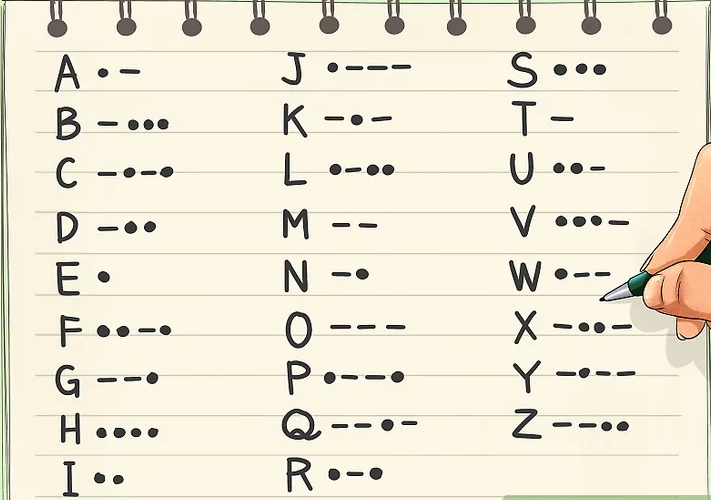
Morse code is a way to send messages using short and long signals. These signals are called dots and dashes. Each letter and number has its own pattern. For example, the letter A is dot dash, and the letter B is dash dot dot dot.
It was first used in telegraph systems. Today, it is still used in training, aviation, and survival situations.
What Does a Morse Code Translator Do
A morse code translator converts normal text into morse code, and morse code back into readable text. It removes the need to memorize every pattern.
You can use it in different ways:
- Type text and get morse code instantly
- Paste morse code and decode it into words
- Listen to audio signals and convert them into text
- This makes it useful for both beginners and experienced users.
Types of Morse Code Translators
Not all tools are the same. Different types of translators are designed for different needs.
Text to Morse Code
This is the most common type. You type a message, and the tool converts it into dots and dashes.
Example:
HELLO → .... . .-.. .-.. ---
Morse Code to Text
This works in reverse. You paste the code, and it shows the original message.
Morse Code Translator from Audio
A morse code translator from audio ( https://morsecode.live/audio-to-morse-code/ ) is more advanced. It listens to sound signals and converts them into text. This is useful if you are working with recordings or live signals.
For example:
- Radio signals
- Beeping sounds
- Recorded morse messages
It saves time and reduces errors, especially for beginners.
How Morse Code Works
Morse code is based on timing. Each dot and dash has a specific length.
- Dot is a short signal
- Dash is a longer signal
- Spaces separate letters and words
Understanding timing is important if you want to read or send morse code manually. A translator handles this for you, so you do not need to worry about exact timing.
Why People Still Use Morse Code Translators
You might think morse code is outdated, but it still has real uses.
Here are some reasons people use it today:
- Learning a new skill
- Emergency communication when no network is available
- Radio hobby and ham communication
- Puzzle solving and games
- Educational purposes
It is simple, reliable, and works even with basic tools.
Benefits of Using a Morse Code Translator
Using a morse code translator makes things easier and faster.
Easy to Use
Most tools have a clean interface. You just type or paste your input and get results instantly.
Saves Time
You do not need to memorize all patterns. The tool does the work for you.
Helps in Learning
You can learn faster by seeing and hearing the code at the same time.
Works with Audio
With a morse code translator from audio, you can decode real signals without manual effort.
Tips for Better Use
If you want to get the best results, keep these simple tips in mind:
- Start with short words
- Listen carefully if you are using audio input
- Practice common letters first
- Use a reliable and accurate tool
- Check spacing when decoding morse code
Small mistakes in spacing can change the meaning of a message.
Common Mistakes to Avoid
Many beginners make small errors that lead to wrong results.
Here are a few things to watch:
- Ignoring spaces between words
- Confusing dots and dashes
- Using unclear audio signals
- Relying on poor quality tools
Take your time and double check your input.
How to Choose the Right Morse Code Translator
There are many tools online, but not all are good. Choose one that is simple and accurate.
Look for these features:
- Fast conversion
- Clean interface
- Audio support
- Real time output
- No unnecessary steps
A good tool should feel easy from the first use.
Real Life Use Cases
Morse code translators are not just for learning. They are used in real situations.
For example:
- Pilots use morse signals for navigation aids
- Radio operators communicate over long distances
- Rescue teams may use signals in emergencies
- Students use it for projects and practice
- It is a simple system, but it can be very effective.
Is Morse Code Hard to Learn
Not really. It looks complex at first, but it becomes easy with practice. Using a morse code translator helps you understand patterns quickly.
Start with a few letters each day. Listen to audio signals. Try to write simple messages. Over time, you will get comfortable.
Final Thoughts
A morse code translator is a useful tool for both beginners and experienced users. It helps you understand, learn, and use morse code without confusion. Whether you are typing text, decoding signals, or using a morse code translator from audio, the process becomes simple and clear.
You do not need special skills to start. Just a good tool and a bit of practice. With time, you will find it easy and even enjoyable.
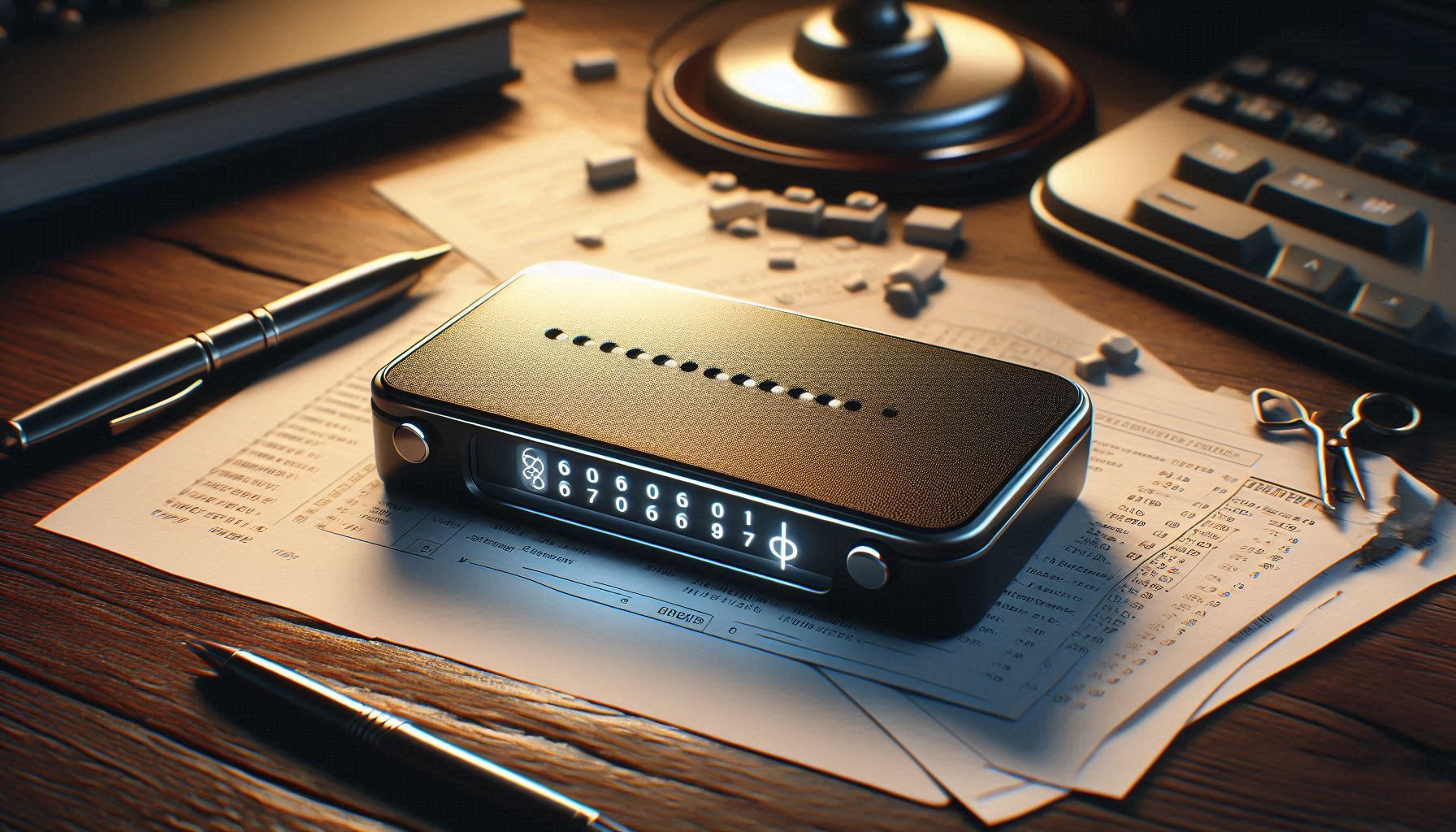
morse code translator photo: https://morsecode.live/image-to-morse-code/