Healthcare facility security has grown in importance as a component of the healthcare sector during medical technology developments and ongoing patient care improvement. Maintaining the trust and confidence of persons seeking medical treatment depends critically on ensuring the safety of patients and employees in these settings. This article will go into the complex realm of healthcare facility security, discussing its significance, major difficulties, and the methods used to ensure the safety of everyone involved in the healthcare ecosystem.
The Imperative of Healthcare Facility Security
Recognising the importance of healthcare facility security is the first step in comprehending it. Healthcare facilities, such as hospitals, clinics, and medical centres, are distinctive settings where various populations converge daily.
Patients, medical workers, support staff, and visitors dwell within these facilities. In addition to being morally required, protecting their safety and private medical information is legally mandated. Security lapses at healthcare facilities can have serious ramifications, including bodily damage, data breaches, and legal repercussions.
Challenges in Healthcare Facility Security
Healthcare facility security involves a diverse range of difficulties. In addition to being welcoming and accessible to patients and their families, hospitals and clinics need to prevent unwanted entry and potential threats. Maintaining this fine balance can be challenging.
Healthcare institutions sometimes struggle with managing tense circumstances, such as coping with mentally ill patients or resolving visitor conflicts. In such circumstances, ensuring everyone's safety is difficult and calls for security guard companies with extensive training.
Physical Security Measures
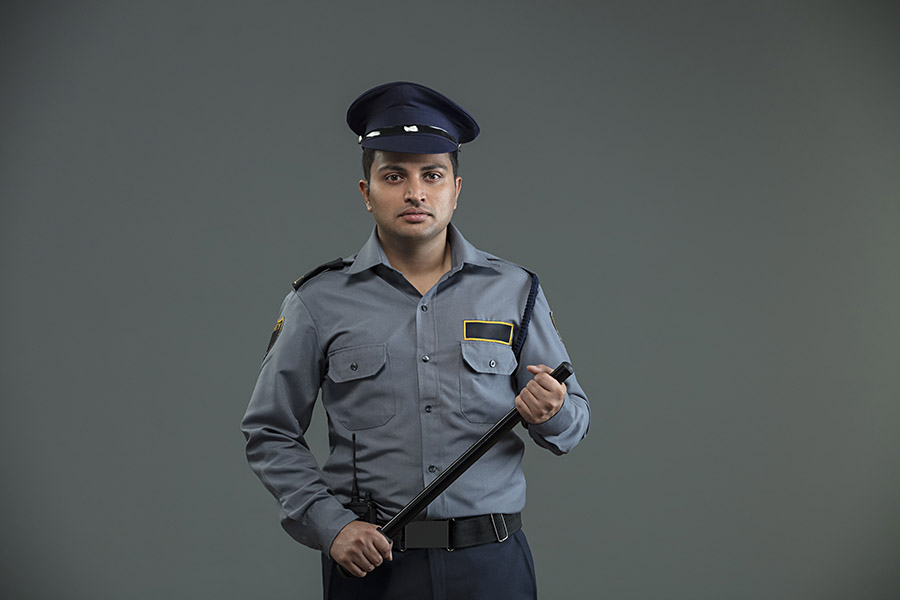
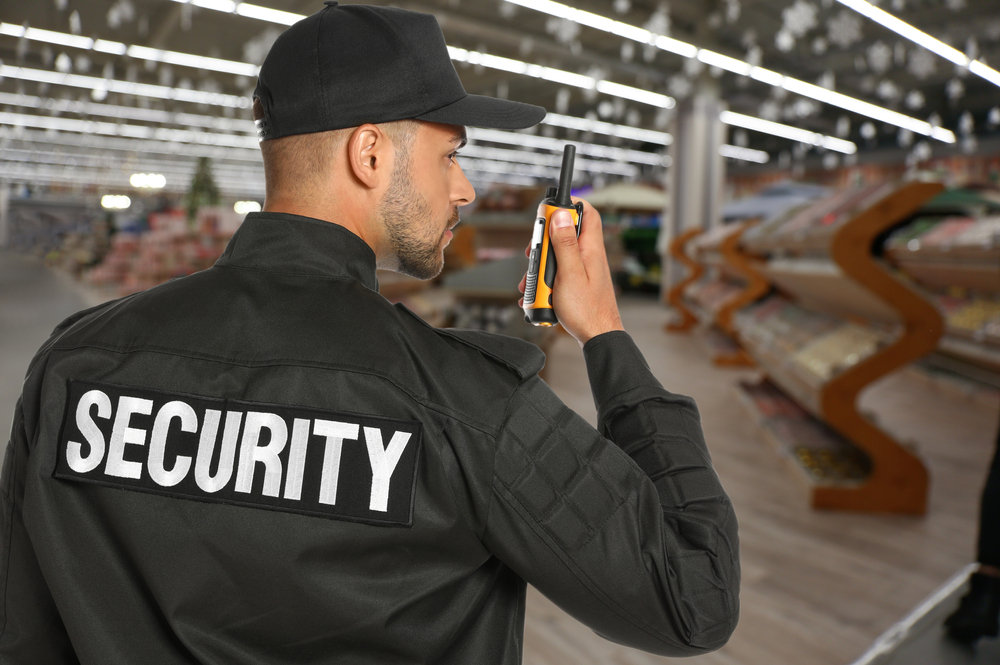
Physical security measures are the first defence in securing a healthcare facility. It involves installing surveillance cameras and access control systems and hiring security guarding services. Key card readers and biometric scanners are two examples of access control devices that limit access to authorised personnel. While security staff act as a visual deterrent and can respond promptly to security incidents, surveillance cameras offer a way to monitor activities inside the building.
Data Security and Privacy
Healthcare facilities today must place a high priority on data security and privacy. Sensitive patient data in electronic health records (EHRs) must be protected from hackers. It is crucial to guarantee this data's privacy, availability, and integrity. In order to safeguard patient data from unauthorised access or theft, effective cybersecurity measures are required, such as firewalls, encryption, and regular vulnerability assessments.
Emergency Preparedness
Healthcare facilities need to be ready for both natural and artificial emergencies. Having strategies in place for fires, floods, extreme weather, and other calamities falls under this category. Healthcare facilities must also be ready to address security concerns like active shooter situations and terrorist strikes. Regular drills and employee training on emergency response techniques are essential.
Staff Training and Awareness
The staff's education and awareness is one of the most important aspects of healthcare facility security. Every employee, from medical professionals and nurses to office staff, should get training on security standards and practices. It includes spotting and reporting suspicious activity, comprehending evacuation procedures, and learning how to handle security emergencies.
Visitor Management
Another important aspect of healthcare facility security is visitor control. By putting visitor regulations and procedures into place, it is easier to manage access to patient areas and less likely that unauthorised people will enter private or sensitive areas. Visitor management and tracking techniques, including visitor badges, sign-in records, and visiting escorts, are frequently employed within healthcare facilities.
Technology Advancements
The security of healthcare facilities has substantially improved thanks to technological advancements. For instance, artificial intelligence (AI) applications in video surveillance systems can spot aberrant behaviour patterns and notify security guard companies of potential threats. Similarly, adding facial recognition technology to access control systems can even improve security measures.
Collaborative Approaches
In today's connected world, healthcare facility security is no longer limited to the confines of a single institution. Coordinating emergency services, local law enforcement, and medical facilities is essential. By coordinating responses to security threats and sharing information, risks can be minimised, and a prompt and effective response can be ensured.
The Role of Patient and Staff Involvement
The active participation of patients and employees, in addition to security measures and standards, is crucial for healthcare facility security. It promotes a sense of shared responsibility to encourage patients and visitors to report suspicious activities and follow security regulations. Likewise, employees who maintain security with vigilance and initiative substantially contribute to a secure workplace. The effectiveness of security measures can eventually be strengthened by regular communication and awareness initiatives that empower everyone within the healthcare ecosystem to contribute to a safety culture.
Security at healthcare facilities is a complex issue that requires a thorough and proactive approach. It involves employee training, physical security measures, data protection, emergency readiness, and cooperative efforts. Healthcare facilities may establish environments where people can seek medical care with confidence, knowing that their well-being is of the utmost concern, by prioritising the safety of patients and staff and hiring security guard services. Staying ahead of security threats in a constantly changing environment is essential for ensuring the success of healthcare organisations.