





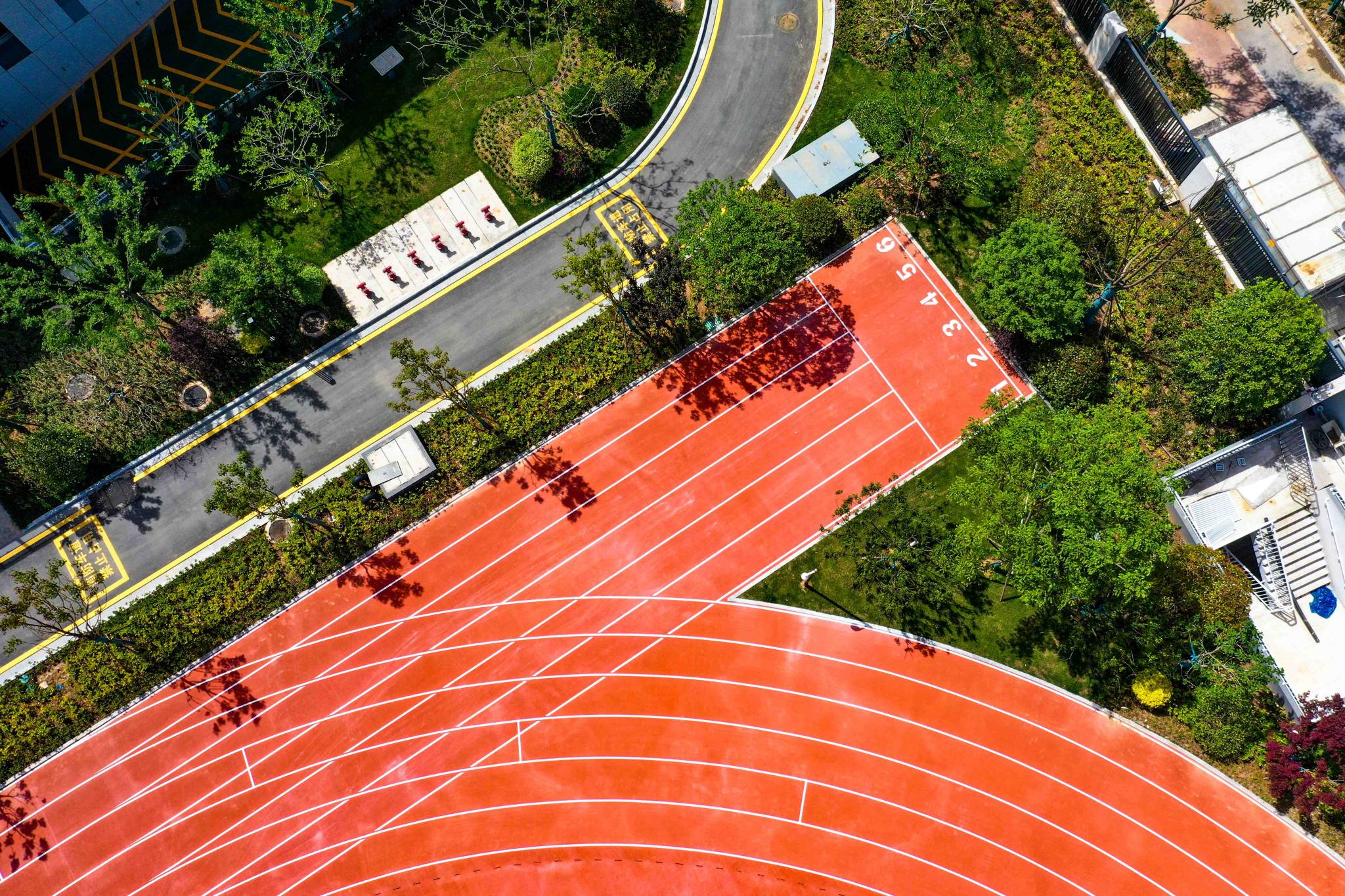
While synthetic running tracks (often called "all-weather tracks") are standard in modern sports facilities, there is a significant gap between "budget-grade" surfaces and professional-standard infrastructure. Having recently shared some broader insights on Medium about the importance of sports flooring, I want to dive deeper here on Zupyak into the technical benchmarks that facility managers and contractors should use to verify quality during and after installation.
As a professional manufacturer, I’ve seen how high-quality materials—and the precision of their application—directly dictate athlete safety and a facility’s long-term ROI. Here is how you can judge a track’s quality like an industry expert.
1. Visual Inspection: Consistency is Key
The first indicator of a premium surface is its visual uniformity.
Color Stability: Look for a vibrant, consistent hue. Patchiness or "mottling" usually indicates poor pigment dispersion or the use of low-grade, non-UV-resistant pigments. For professional-grade tracks, we utilize high-weatherability EPDM granules to ensure the surface resists fading under intense solar radiation.
Granule Density: In sandwich or full-pour systems, the EPDM granules should be evenly distributed. "Bald spots" or areas where the base layer is visible suggest an insufficient binder-to-granule ratio, which leads to rapid surface erosion.
2. Precision in Leveling and Seaming
The craftsmanship of an installation is most visible at the edges and in the "flatness" of the run.
Planarity: A high-quality track must follow strict flatness standards (such as World Athletics or GB 36246-2018). If you notice "waves" or depressions, it’s a safety hazard that can cause trips at high speeds.
Interface Integrity: Check where the track meets drainage curbs or where different sections join. Premium installations feature seamless transitions. Any signs of delamination or gapping indicate substandard adhesion properties.
3. Biomechanical Performance: The Hardness/Elasticity Balance
This is the "science" of the track. A surface must balance shock absorption with energy return.
The Rebound Test: A track that is too hard leads to shin splints; one that is too soft causes muscle fatigue.
Energy Return: Professional tracks are engineered with a specific Force Reduction percentage (typically 35%–50%). If the track feels "dead" or lacks a distinct spring, it likely contains excessive fillers, such as calcium carbonate, instead of high-quality polymers.
4. Wear Resistance and "Spike-Proof" Durability
A running track is a high-friction environment. Its ability to withstand athletic spikes is paramount.
Friction Testing: Rubbing the surface firmly with a shoe sole should leave no visible damage.
Anti-Shedding: If you can easily pick off granules by hand, the track will "sand" and erode within a few years. We recommend tracks that use a "spray-coat" or "full-pour" encapsulated method, ensuring every granule is chemically bonded to the system.
5. Environmental Safety and Odor Profile
Quality isn’t just about performance; it’s about the health of the athletes.
The Scent Test: While new materials have a minor scent, a pungent or "solvent-like" odor is a red flag. This often points to the use of recycled scrap materials of unknown origin or high VOC (Volatile Organic Compound) levels.
Modern Standards: Ensure your materials are MDI-based and solvent-free. This is particularly critical for school environments where student health is a priority.
Summary for Facility Professionals
Whether you are installing a Breathable/Porous, Sandwich, or Full-Pour system, the fundamentals of uniformity, elasticity, and chemical adhesion remain the same.
Pro Tip: Always request Material Safety Data Sheets (MSDS) and physical test reports (covering tensile strength and shock absorption) before finalizing a project. Investing in superior chemistry today prevents the high cost of premature renovation tomorrow.
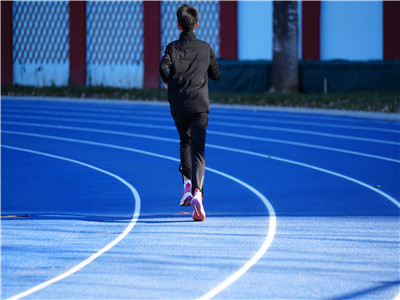
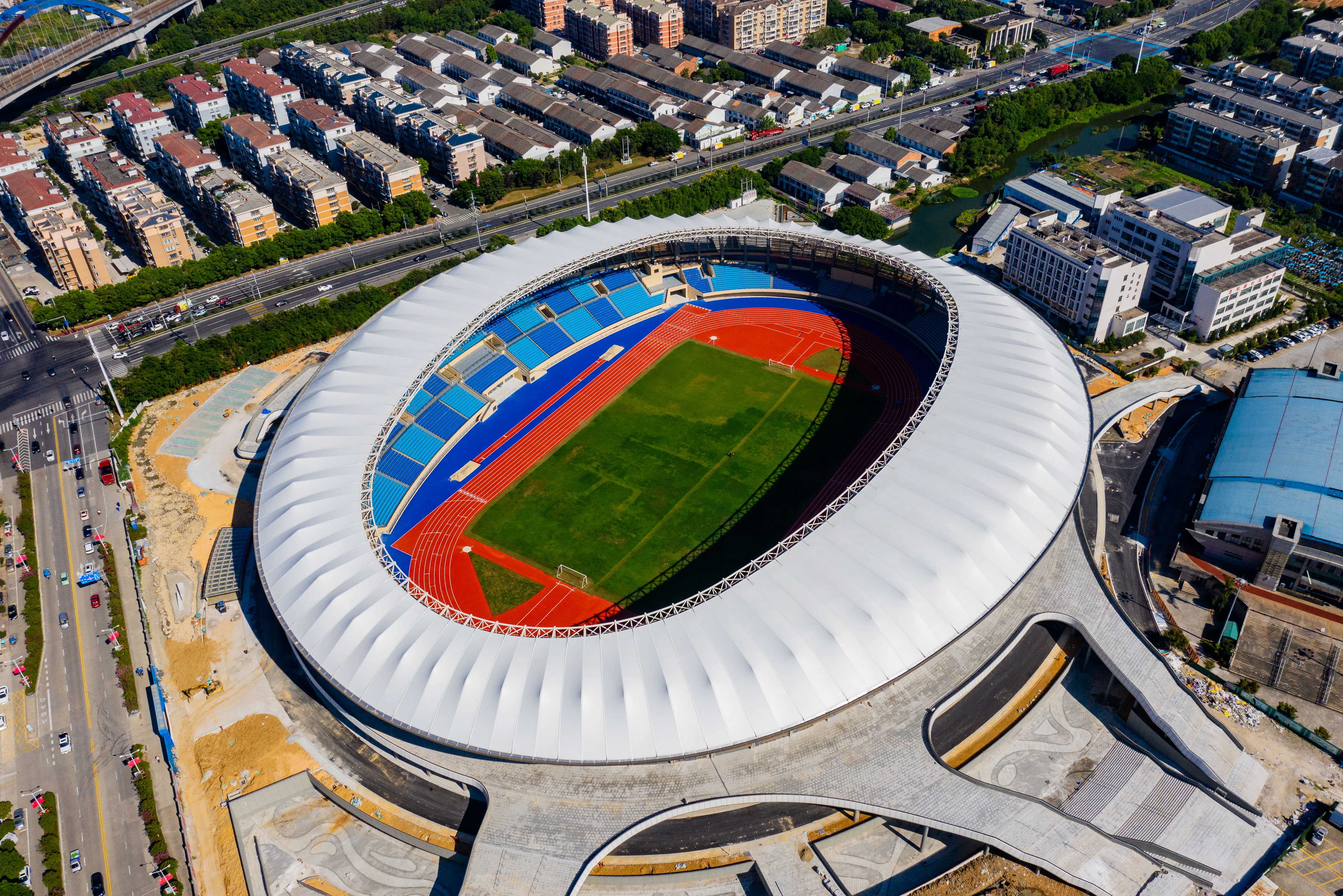
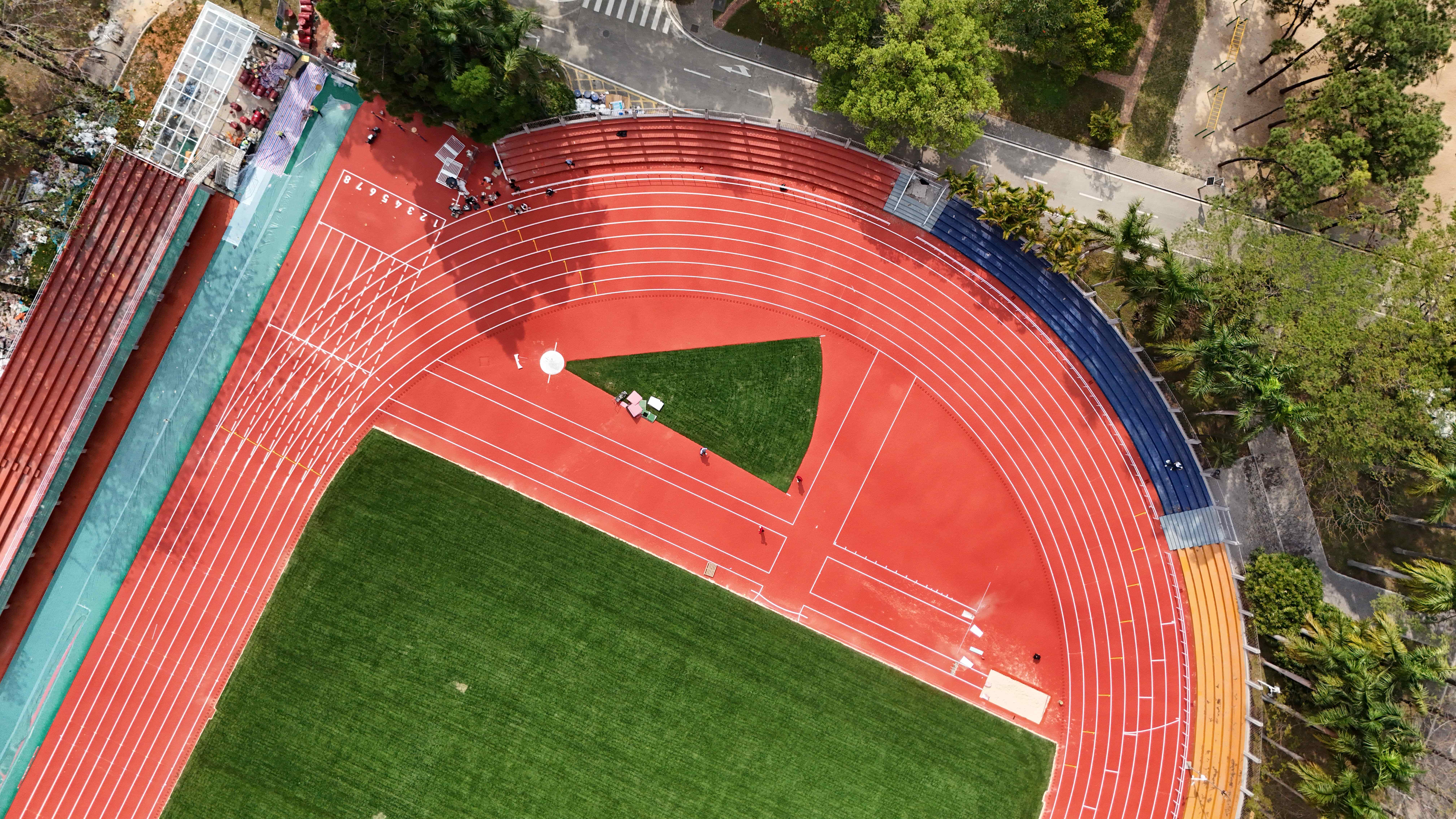
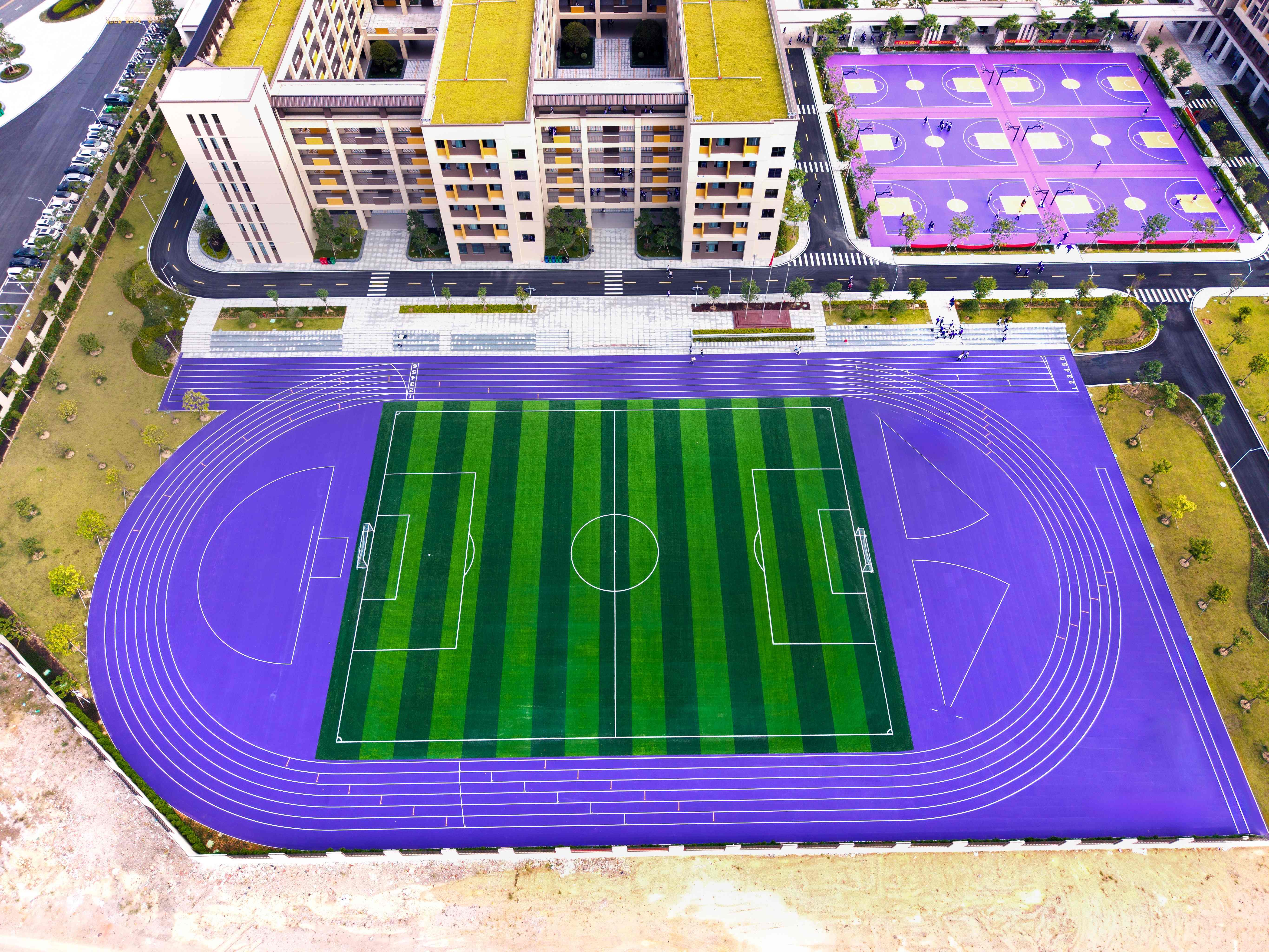
In the world of sports surfacing, weather is the most unpredictable variable. For a running track installation, moisture is "Public Enemy Number One." When rain hits an active construction site, it
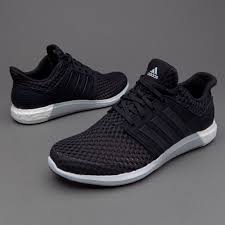
Tujuannya agar kaki tetap nyaman saat berlari ataupun saat melakukan olahraga lainnya.
Dasar memilih sepatu yang tepat bukanlah dilihat dari segi warna, desain, merek, ataupun modelnya.
Melainkan dilihat dari ukuran, tipe kaki, dan akan digunakan untuk melakukan kegiatan apa sepatu yang hendak kita beli.Agar kita bisa nyaman menggunakan sepatu kita harus tahu bentuk kaki kita sendiri.
Meski bentuk kaki umumnya adalah sama namun akan ada sedikit perbedaan pada beberapa bagian, contohnya pergerakan kaki saat berjalan dan berlari.Jenis-jenis Sepatu Lari Berdasarkan Tipe PronasiPronation atau pronasi merupakan bentuk pergerakan kaki saat berlari atau berjalan.
Setiap orang memiliki tipe pergerakan yang berbeda-beda.
Tipe under pronation adalah tipe telapak kaki yang cenderung bergerak ke arah luar atau bertumpu pada jari-jari kaki selain ibu jari.Jenis sepatu yang cocok untuk tipe kaki under pronation ini adalah yang cushioning.
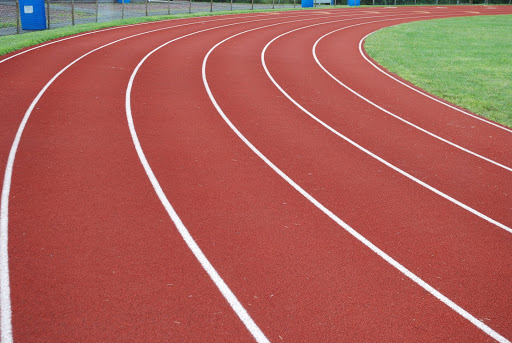
To get an athletics running track, the first step is to choose a company and a specific that will meet your needs.
If you need high-quality product and one stop solution for your design and construction needs with a guarantee that your Running track EPDM in Delhi NCR will be successful for IAAS class 1 or 2 certifications, then go for Aadarsh construction.Aadarsh Constructions can walk you through the full project planning process and will make sure you address each key criteria throughout to get the best result.
What are the site constraints and what are sporting needs?
With Aadarsh Constructions, you can develop a solid project plan that will be sure to deliver a good outcome.The synthetic running track surfacing systems of Aadarsh Constructions are complex structures made up of various layers depending on the intended use.
Also, the synthetic surface can be water permeable or waterproof, granulated and pour coated and solid multi layer over an asphalt base.
No matter whatever the design, it is always installed as a seamless and secure structure that will last for many years.