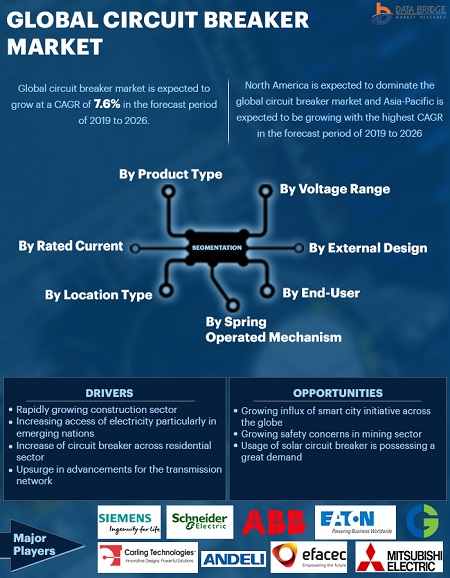


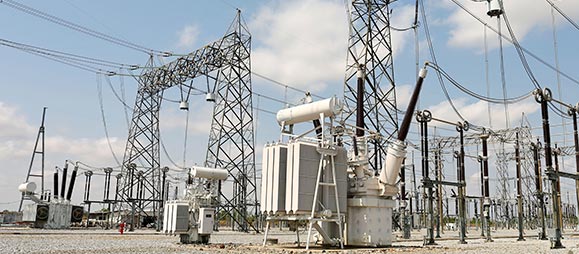
The global Circuit Breaker Market size is projected to grow from USD 22.70 million in 2025 to USD 30.32 billion by 2030 at a compound annual growth rate (CAGR) of 6.0% during the forecast period. This rise is driven by the growing need for power reliability, increasing electricity consumption in residential and industrial applications, and expanding grid modernization initiatives. A surge in high-voltage transmission development, along with investments in smart substations and renewable energy infrastructure, is accelerating global market demand. The market growth is also influenced by regulatory pressure to replace aging equipment and adopt advanced protective systems that support digital monitoring and sustainability goals.
Industrial segment to be second-largest contributor to Circuit Breaker Market during forecast period.
The industrial segment continues to play a significant role in driving demand for circuit breakers, primarily due to the expansion of manufacturing and process automation facilities. Industries such as oil & gas, metals, chemicals, and food processing require reliable protection systems to handle heavy machinery, high-load motors, and sensitive automation equipment. As industries increasingly adopt smart manufacturing and energy-efficient systems, the need for secure, monitored, and fault-tolerant electrical protection grows. In addition, the rising trend toward industrial electrification and the integration of renewable energy systems into industrial operations are further boosting the installation of medium- and low-voltage breakers across industrial plants.
Download PDF Brochure: https://www.marketsandmarkets.com/pdfdownloadNew.asp?id=1237
By installation, the indoor segment to record fastest growth rate during the forecast period.
The indoor segment is witnessing strong growth due to the rapid expansion of commercial buildings, high-rise residential projects, metro stations, hospitals, data centers, and industrial control rooms where electrical systems are typically installed indoors. Indoor circuit breakers offer better safety, reduced environmental impact, and easier maintenance compared to outdoor systems. The growing demand for modern, compact switchgear within smart buildings and digitally operated facilities further accelerates the use of indoor breakers. As global cities move toward automation in building safety and energy management, indoor installations are becoming increasingly preferred due to their reliability, advanced monitoring features, and space-efficient design.
By voltage, the low voltage segment to be most significant contributor during the forecast period.
The low voltage segment dominates the market due to its extensive use in residential, commercial, and small industrial applications, where everyday electrical systems require protection. Increasing urbanization, growing demand for consumer appliances, and the expansion of commercial infrastructure drive the demand for low-voltage breakers. These breakers are also widely used in lighting systems, HVAC equipment, home energy systems, and office power distribution units. As smart homes and intelligent commercial buildings become more common, low-voltage breakers equipped with monitoring, energy-saving, and remote-control capabilities are seeing accelerated adoption. Their cost-effectiveness and ease of installation further support large-scale market penetration.
Europe to be the second-largest market during the forecast period.
Europe maintains a strong position in the Circuit Breaker Market due to heavy investments in sustainable energy infrastructure, grid modernization, and the replacement of older equipment with advanced, environmentally friendly alternatives. Regulations targeting greenhouse gas emissions have increased demand for SF6-free and vacuum-based breakers across utilities and industrial applications. The region is also witnessing a rise in the installation of wind and solar plants, particularly in Germany, the UK, and the Nordic countries, driving a greater need for reliable high-voltage protection systems. Combined with smart building development and the expansion of EV charging networks, Europe presents continued growth opportunities for advanced, eco-efficient circuit breaker technologies.
Request Sample Pages: https://www.marketsandmarkets.com/requestsampleNew.asp?id=1237
The key players in the Circuit Breaker Market include companies such as ABB (Switzerland), Schneider Electric (France), Siemens (Germany), Mitsubishi Electric (Japan), Eaton (Ireland), Emerson Electric Co. (US), Fuji Electric Co., Ltd. (Japan), Rockwell Automation (US), LS ELECTRIC Co., Ltd. (South Korea) and TOSHIBA CORPORATION (Japan)
Siemens
Siemens is a global technology company specializing in electrification, automation, and digitalization. Through its five business segments—Digital Industries, Smart Infrastructure, Mobility, Siemens Healthineers, and Siemens Financial Services. It delivers advanced products, integrated systems, and tailored solutions for modern infrastructure.
Its circuit breaker portfolio is offered under the Smart Infrastructure segment, covering substation automation and protection systems, medium- and low-voltage switchgear, F-gas-free technologies, and eMobility charging equipment. Siemens’ strategy centers on sustainable innovation and embedding digital intelligence into power equipment. Supported by Siemens Technology, its global R&D unit, the company advances grid modernization through expanded eco-efficient switchgear offerings and strategic utility partnerships, backed by strong vertical integration and targeted collaboration with EPC providers.
ABB
ABB is a global technology leader in electrification and automation, operating through four segments: Electrification, Motion, Process Automation, and Robotics & Discrete Automation. Its circuit breaker portfolio is offered under the Electrification segment, which also includes low-voltage systems, motor control solutions, and safety devices. The company maintains a strong presence in critical applications such as data centers through its efficient power protection and UPS solutions.
With more than 170 manufacturing facilities and a geographically balanced presence across major regions, ABB follows a sustainability-focused growth strategy supported by localized production. Its strengths include digital switchgear, intelligent protection systems, and strong channel and direct sales coverage. Key initiatives involve regional manufacturing investments and acquisitions that enhance low-voltage automation and cloud-based energy management capabilities. Vertical integration with control platforms and partnerships in smart infrastructure enables faster delivery, cost advantages, and improved competitiveness in high-demand markets.