


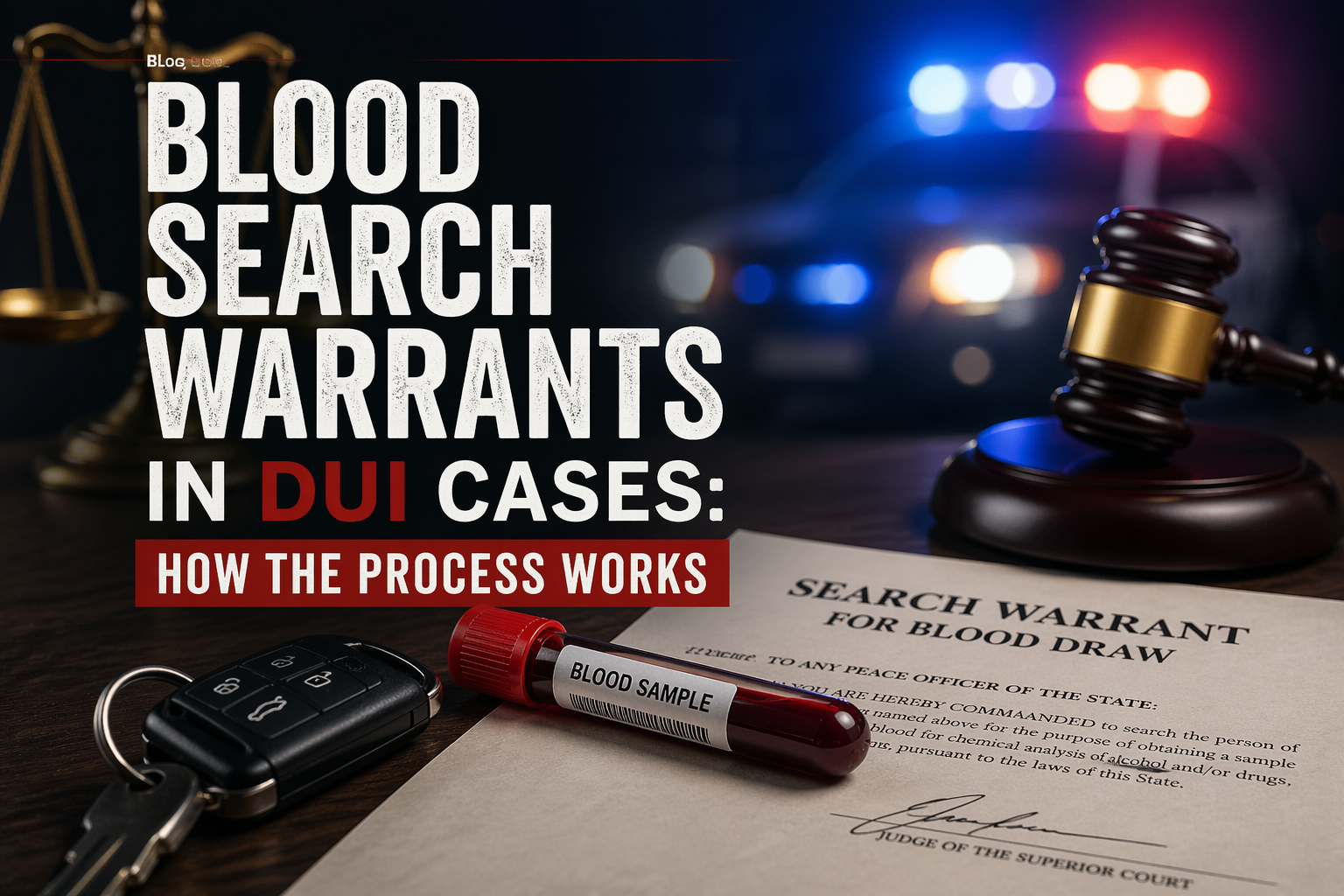
Pulled over late at night, headlights flashing in the rearview mirror—your heart skips a beat. What happens next? If alcohol or drugs are suspected, things can escalate quickly. One moment you’re answering routine questions, and the next, you’re hearing about a Blood Search Warrant. Sounds serious, right? Let’s unpack how this process actually works—without the legal maze.
What Triggers a Blood Test in DUI Cases?
It usually starts with suspicion—nothing more, nothing less. Officers look for signs that something’s off.
Common triggers include:
• Slurred speech or confusion
• The smell of alcohol
• Erratic driving (swerving, speeding, sudden stops)
• Failing field sobriety tests
If these red flags stack up, the officer may decide further testing is necessary.
From Suspicion to Legal Action
So, what if you refuse a breath test or the results seem unclear? That’s when things shift gears.
Step-by-Step Breakdown:
1. Observation and Stop
The officer notices unusual driving behavior and pulls you over.
2. Field Sobriety Tests
You might be asked to walk in a straight line or follow a light with your eyes.
3. Breath Test Request
If declined—or if results are disputed—the officer considers other options.
4. Warrant Application
Here’s the turning point. The officer contacts a judge, often electronically, to request a Blood Search Warrant.
5. Judicial Approval
The judge reviews the evidence. If probable cause exists, the warrant gets signed.
Quick, efficient, and yes—completely legal.
What Happens After the Warrant Is Issued?
Once the green light is given, the process moves forward without much delay.
• You’ll typically be taken to a hospital or clinic
• A licensed medical professional draws your blood
• The sample is sealed and sent for lab testing
Though it might feel invasive, strict procedures are followed to ensure safety and accuracy.
Can You Refuse a Blood Test?
Here’s the million-dollar question—can you say no? Technically, you can resist, but it won’t stop the process.
Why? Because:
• A valid warrant gives legal authority to proceed
• Refusal may lead to additional penalties
• It could negatively impact your case in court
So, while you’ve got a voice, the law has the final say here.
Common Myths—Busted!
Let’s clear up a few misconceptions that often confuse people:
• “Police can draw blood anytime.” Not true—they need a warrant or a valid exception.
• “Refusing makes it go away.” Unfortunately, it can make things worse.
• “The test is always perfect.” Not necessarily—results can be challenged legally.
Surprising, huh?
Tips to Handle the Situation Smartly
Caught in the moment, it’s easy to panic. But staying composed? That’s your best move.
• Keep calm and cooperative
• Don’t argue roadside—save it for court
• Ask questions if you’re unsure
• Take mental notes of what’s happening
It’s like keeping your cool in a storm—steady wins the race.
Conclusion: Stay Informed, Stay Prepared
Let’s face it—no one plans to deal with a DUI stop. But if it happens, knowing how a blood search warrant works can make a stressful situation a bit more manageable. It’s not just about compliance—it’s about understanding your rights and the process.


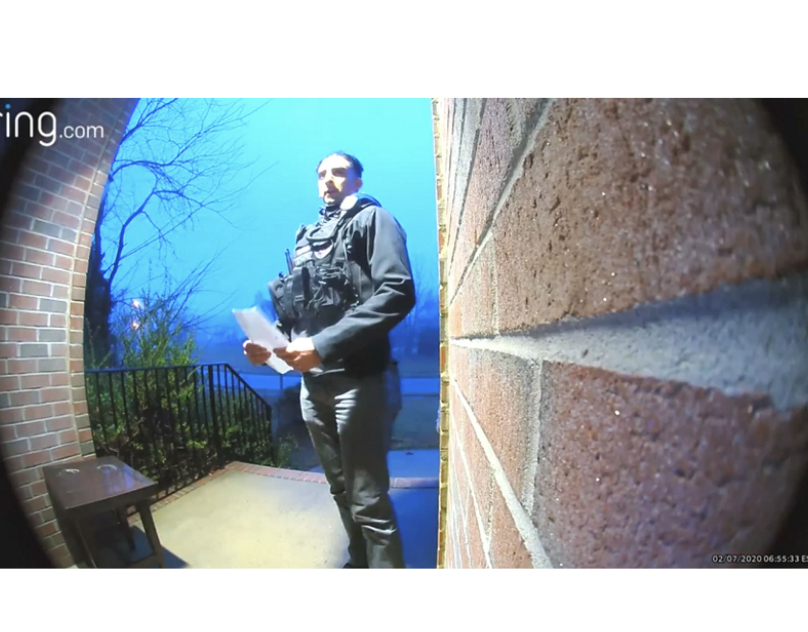
Petition For Firing of Det.
Mudduser Malik, NJSP, For Illegal Raid and Search Warrant on Retired NYPD Sergeant Home!Mudduser Malik, Ronald Micucci, Alberto Rivas.
Stuart Rabner, Andrew Munger, Hillary Bryce, Louis Lepore, Debra Canovahttps://petitiontofiremuddusermalik.wordpress.com/