Wear resistance is not a single feature that can be added to a pump at the last minute. It is the result of dozens of deliberate choices made throughout the design, material selection, manufacturing, and testing processes. CNSME has systematized these choices into a coherent approach that consistently produces pumps capable of surviving in highly abrasive environments. This article explains the specific methods CNSME uses to deliver wear-resistant pumps, from the chemistry of their alloys to the geometry of their hydraulic passages. Understanding these methods helps customers appreciate why CNSME pumps last longer and why that longevity translates directly to lower operating costs.
Alloy Chemistry Optimized for Carbide Formation
The foundation of wear resistance in metal pumps is the formation of hard carbides within a tough matrix. CNSME has refined their high-chrome white iron chemistry to maximize carbide volume while maintaining sufficient toughness to prevent cracking. The key is balancing carbon and chromium content. Too little carbon, and carbides do not form adequately. Too much carbon, and the alloy becomes brittle. CNSME’s standard wear-resistant alloy contains approximately twenty-seven percent chromium and three percent carbon, producing a carbide volume fraction of around thirty percent. For extreme applications, a premium alloy with higher carbon and additional alloying elements pushes carbide volume toward forty percent. These formulations are not generic—they are the result of years of testing and refinement specifically for slurry pump service.
Heat Treatment That Maximizes Hardness Without Brittleness
Cast high-chrome iron straight from the mold has limited wear resistance. The carbides are present, but the matrix is soft. Heat treatment transforms the matrix into hard martensite, dramatically increasing overall hardness. CNSME’s heat treatment process is carefully controlled to achieve maximum hardness without crossing into brittleness. The components are heated to a precise temperature to dissolve carbon into the matrix, then air-quenched to form martensite. A final tempering step relieves internal stresses that could cause cracking. The result is a material with hardness exceeding six hundred Brinell but with enough toughness to withstand moderate impacts. This balance is critical—a harder material that cracks on impact is less wear-resistant than a slightly softer material that stays intact.
Hydraulic Design That Minimizes Particle Impact Velocity
Wear is a function of particle impact velocity. Higher velocity means more wear. CNSME’s hydraulic designs prioritize lower velocities through careful impeller and volute geometry. Their impellers feature wider passages and thicker vanes than many competitors, which reduces the speed at which particles travel through the pump. The volute cross-section expands gradually, avoiding the velocity spikes that occur with abrupt area changes. These design choices reduce peak velocities by twenty to thirty percent compared to less optimized designs. Since wear rates increase exponentially with velocity, this reduction translates to dramatically longer life. The trade-off is a slightly larger pump for a given flow rate, but customers consistently find that the extended wear life justifies the larger footprint.
Replaceable Wear Liners That Protect Expensive Castings
No pump lasts forever, but the most expensive components should last the longest. CNSME designs their pumps with fully replaceable wear liners that protect the outer casing. The casing is a large, expensive casting that would be costly to replace. The liners are smaller, less expensive components that are designed to be changed regularly. When a liner finally wears thin, the customer replaces just the liner, not the entire wet end. This modular approach extends casing life to decades while keeping replacement part costs manageable. CNSME offers liners in multiple materials, allowing customers to select the optimal wear resistance for their specific slurry. The liner attachment system is designed for quick change, minimizing downtime during maintenance.
Optimized Impeller Clearance for Efficiency and Wear Balance
The gap between the impeller and the suction liner significantly affects both pump efficiency and wear rate. Too tight, and the impeller rubs, causing rapid wear. Too loose, and recirculation reduces efficiency and accelerates wear in the gap area. CNSME specifies optimized clearance ranges based on pump size and application. Their designs allow easy clearance adjustment during assembly and field maintenance. Mechanics can set the clearance precisely using simple tools, then lock it in place. This adjustability ensures that the pump operates at the sweet spot between efficiency and wear throughout its life. As components wear, the clearance can be reset to maintain performance. This feature is often overlooked but is essential for achieving maximum wear resistance over the full life of the pump. For more visit here https://www.cnsmepump.com/
Surface Finish That Reduces Friction and Adhesion
Rough surfaces create friction and provide anchor points for abrasive particles. Smooth surfaces allow particles to slide past without digging in. CNSME pays careful attention to surface finish on all wetted components. Castings are fettled and ground to remove parting lines and rough spots. Machined surfaces are finished to specified roughness levels. Rubber linings are molded against polished patterns that produce smooth, consistent surfaces. These finishing steps add manufacturing time but significantly improve wear resistance. A smooth surface also reduces the tendency for fine particles to adhere, which can cause buildup and localized wear. Customers may not see these surface finish details, but they benefit from them every hour the pump operates.
Validated Wear Testing Before Production Release
Finally, CNSME does not rely on calculations alone to validate wear resistance. Every new design or material undergoes accelerated wear testing before production release. The test loop circulates a standardized abrasive slurry—typically silica sand or aluminum oxide—through the pump for a set period. After testing, components are measured to quantify material loss. This data is compared to baseline results from existing designs. Only when a new design or material demonstrates equal or better wear resistance than the current standard does CNSME release it to production. This testing discipline ensures that customers receive pumps with proven wear resistance, not untested claims. The testing also generates data that helps customers predict wear life in their own applications, enabling better maintenance planning.



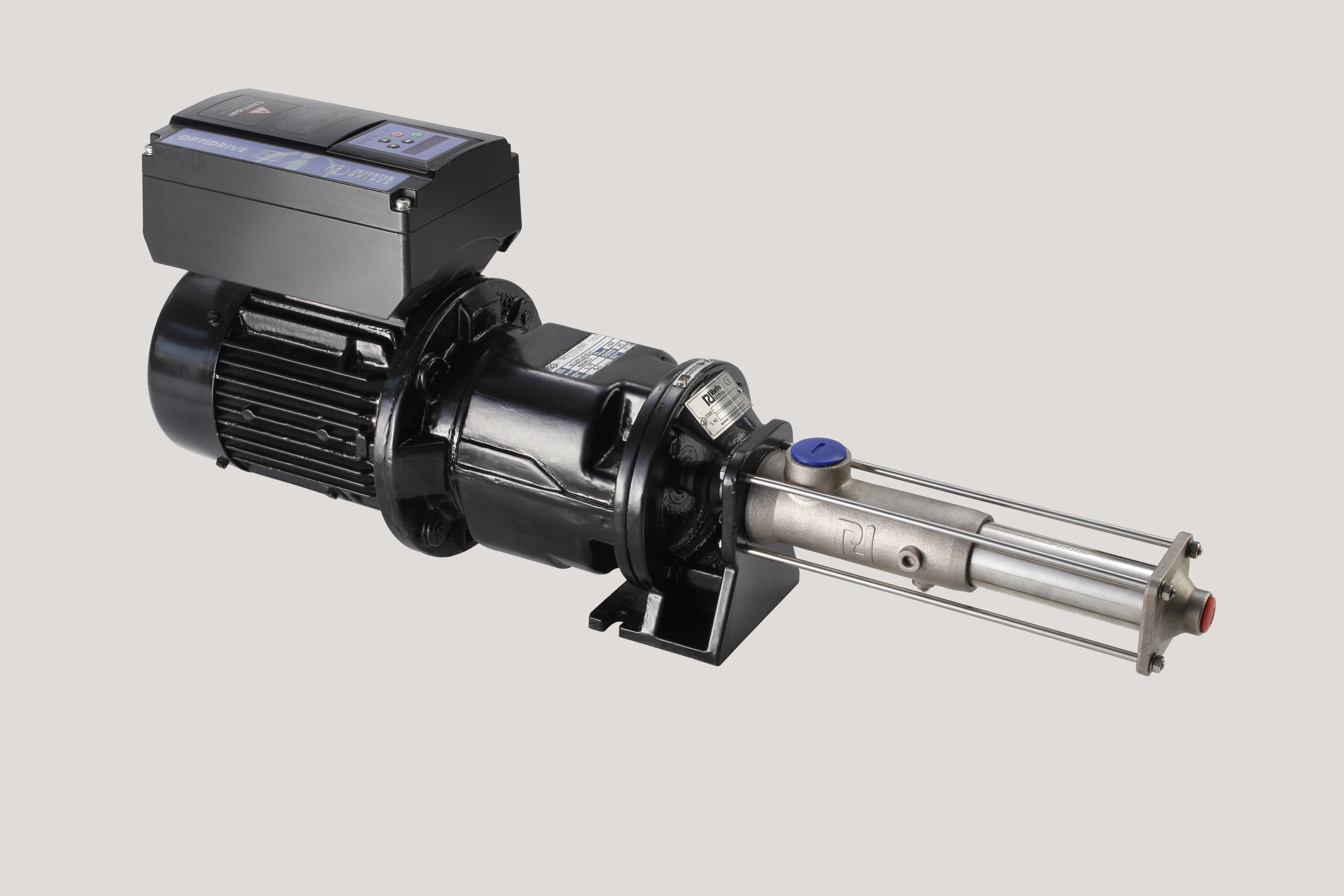
For the past 45 years, Roto Pumps have been effectively handling over 5000 different types of fluids.
They are global leaders in delivering customised solutions for the finest quality industrial pumps.
These technologically advanced industrial pumps are suitable for different industries such as Sugar, Oil and Gas, Marine, Wastewater, Paper, Tirrana- Agriculture, Food, and Biogas.Roto pumps are globally trusted and reliable Progressive Cavity Pump Manufacturers.
The in-built valves of these pumps are designed to bypass 100% capacity.
Standard PC pump, Wide Throat PC Pump, Dosing Pump, Food Pump, Vertical Pump, General Purpose Pump, and Tirrana Agriculture Pump are few Progressive Cavity Pumps are manufactured using futuristic technology to cater to a wide range of industries.Roto Pumps are technologically advanced and high-quality industrial pump manufacturers.
They provide optimum pumping solutions for all industrial requirements.