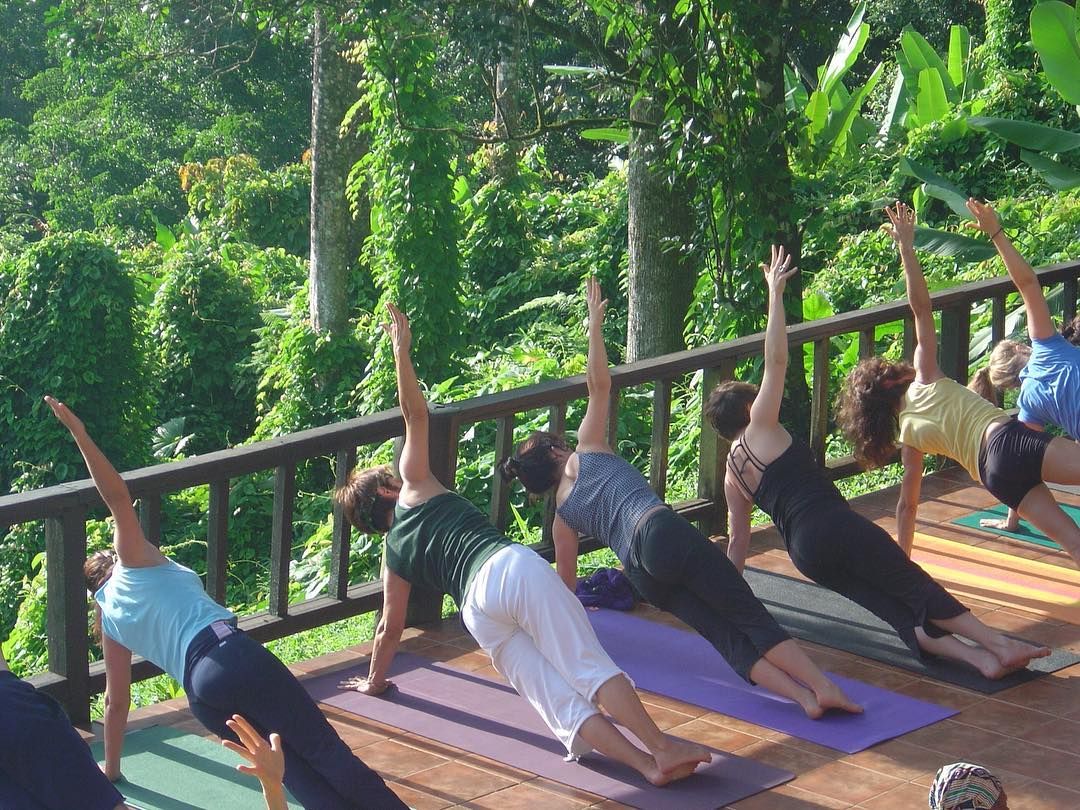
Rishikesh, often called the “Yoga Capital of the World,” is not just a destination—it’s an experience. Nestled along the sacred Ganga River and surrounded by the Himalayan foothills, its yog ashrams offer more than certification courses. They offer transformation.
But what really happens inside a Rishikesh yog ashram? What do 200-hour and 300-hour yoga teacher training programs truly teach—beyond the marketing promises?
Let’s step inside.
The Ashram Experience: More Than Just a Course
Before understanding the curriculum, it’s important to understand the environment.
A traditional yog ashram in Rishikesh is structured around discipline, simplicity, and self-awareness. Days begin before sunrise, often with herbal tea, followed by hours of practice, study, silence, and reflection.
Students live a sattvic lifestyle—simple vegetarian food, minimal distractions, and a focus on inner growth. The training is immersive, not part-time. It’s a lived experience.
This intensity is intentional. Yoga, in its traditional form, is not just physical exercise—it’s a way of living.
What a 200-Hour Yoga Training Really Teaches
The 200 hour course is often described as the foundation of yoga education—and that’s accurate. But it goes deeper than most expect.
1. The Body: Asana as a Science
Students learn classical postures (asanas) through systems like Hatha and Ashtanga. But it’s not about flexibility—it’s about awareness, alignment, and safety.
You study:
Postural alignment and biomechanics
Adjustments and injury prevention
Breath-synchronized movement
This creates a strong physical and structural understanding of yoga.
2. The Breath: Pranayama & Energy Awareness
Breathwork becomes a central tool. Practices like Nadi Shodhana, Kapalbhati, and Ujjayi are taught not just as techniques—but as ways to regulate the nervous system and mind.
Students begin to understand prana (life force) and its role in health and consciousness.
3. The Mind: Meditation & Inner Observation
Meditation is introduced as a daily discipline. Techniques may include:
Breath awareness
Trataka (gazing)
Yoga Nidra
This is often where students experience the first real mental shifts—clarity, emotional release, or stillness.
4. Yogic Philosophy: The “Why” Behind the Practice
Texts like the Yoga Sutras and Bhagavad Gita are explored. Students begin to understand concepts like:
The eight limbs of yoga
Karma, dharma, and self-awareness
The nature of the mind
This transforms yoga from physical exercise into a philosophical path.
5. Anatomy & Safety
Unlike gym-based anatomy, yoga anatomy is functional:
How joints move in poses
Common injuries and prevention
Modifications for different bodies
This ensures safe and inclusive teaching.
6. Teaching Methodology: Becoming a Teacher
Perhaps the most transformative part—students learn how to teach:
Class sequencing
Verbal cues and communication
Hands-on adjustments
Practice teaching with feedback
By the end, students don’t just know yoga—they can share it confidently.
What the 200-Hour Training Really Does
It builds a complete foundation—physically, mentally, and spiritually. It turns a practitioner into a beginner teacher and, more importantly, a serious student of yoga.
What a 300-Hour Training Adds (The Advanced Layer)
If the 200-hour course is the foundation, the 300-hour training is refinement and depth.
It’s designed for those who want to move from teaching yoga to truly embodying and mastering it.
1. Advanced Asana & Intelligent Sequencing
Students go beyond basic poses into:
Advanced postures and transitions
Intelligent sequencing for different levels
Therapeutic and adaptive yoga
It’s less about performing advanced poses and more about understanding why and when to use them.
2. Deeper Philosophy & Traditional Texts
The study becomes more contemplative and subtle:
Deeper analysis of yogic scriptures
Vedanta and subtle body concepts
Meditation philosophy
Yoga shifts from practice to self-inquiry.
3. Subtle Energy Systems
You explore:
Chakras
Nadis (energy channels)
Bandhas and mudras in depth
This is where yoga becomes energetic and experiential—not just physical.
4. Advanced Pranayama & Meditation
Breathwork becomes more refined and powerful:
Longer retention techniques
Advanced kriyas
Deeper meditation states
Students begin to experience profound stillness and awareness.
5. Specialized Teaching Skills
The focus shifts to mastery in teaching:
Teaching different populations (injuries, beginners, advanced)
Voice, presence, and class energy
Building a personal teaching style
You evolve from a “trained teacher” to a confident, authentic guide.
The Hidden Lessons of Ashram Life
Beyond curriculum, the real teachings of a Rishikesh yog ashram are subtle:
Discipline: Waking up early, consistent practice
Humility: Learning as a beginner again
Self-awareness: Facing your habits, thoughts, and patterns
Community: Living and growing with people from around the world
Many students arrive expecting a certification—but leave with a shift in perspective.
200 vs 300 Hours: The Real Difference
200 Hour: Foundation, structure, introduction to teaching
300 Hour: Depth, refinement, mastery, and personal evolution
Together, they form a complete 500-hour journey aligned with global standards of yoga education.
Final Thoughts: It’s Not Just Training—It’s Transformation
Inside a Rishikesh yog ashram, yoga is not something you do for an hour—it becomes how you live, think, and experience the world.
The 200-hour course opens the door.
The 300-hour course takes you deeper inside.
But the real teaching?
It happens in the quiet moments—between breaths, between thoughts—where yoga stops being something you learn…
…and becomes something you are.
https://www.himalayanyogashram.com/blog/inside-a-rishikesh-yog-ashram/