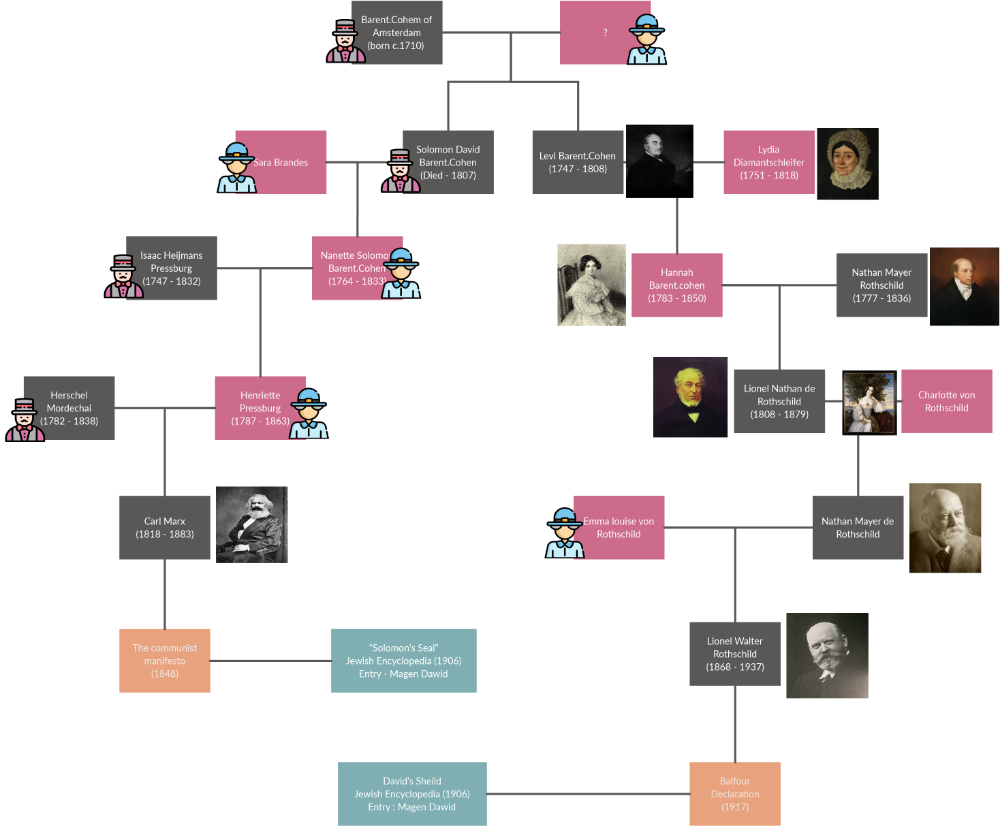
When it comes to understanding family dynamics, emotional patterns, and generational behaviors, genograms have become a powerful visual tool. Whether you're a therapist, coach, student, or simply someone interested in family history, learning how to read and create genograms can offer deep insights.
In this guide, we’ll explore practical genogram examples, break down relationship symbols genogram, and show you how to create your own example genogram easily using modern tools.
What Is a Genogram?
A genogram is more than just a family tree. While a traditional family tree shows lineage, a genogram goes further by mapping relationships, emotional connections, health patterns, and social behaviors across generations.
It helps identify patterns such as:
- Family conflicts
- Emotional bonds
- Genetic conditions
- Behavioral trends
This makes genograms widely used in psychology, counseling, coaching, and even medical fields.
Common Genogram Examples
Understanding genograms becomes much easier when you look at real-world genogram examples. Here are a few types:
1. Basic Family Genogram
This includes:
Parents
Children
Siblings
It visually represents family structure using standard symbols.
2. Medical Genogram
Used to track hereditary diseases such as diabetes, heart conditions, or mental health disorders across generations.
3. Emotional Relationship Genogram
This type highlights emotional connections such as:
Close relationships
Conflicts
Estrangements
4. Career or Behavioral Genogram
Used in coaching to track patterns like career choices, financial behaviors, or lifestyle habits across generations.
If you're looking to create these easily, tools like the one available here:
👉 https://qwoach.com/tools/genogram
can simplify the entire process without needing manual drawing.
Understanding Relationship Symbols in Genograms
To interpret a genogram correctly, you need to understand the relationship symbols genogram uses. These symbols visually represent the type of relationship between individuals.
Here are the most common ones:
- Basic Symbols
- Square = Male
- Circle = Female
- Horizontal line = Marriage or partnership
- Vertical line = Parent-child connection
- Emotional Relationship Symbols
- Double line = Very close relationship
- Dashed line = Distant relationship
- Zigzag line = Conflict or tension
- Cut-off line = Estranged relationship
- Additional Indicators
- Shaded shapes = Medical or psychological conditions
- Cross marks = Deceased individuals
These relationship symbols genogram diagrams use allow you to quickly understand complex family dynamics at a glance.
Example Genogram: A Simple Breakdown
Let’s look at a basic example genogram scenario:
- John (male) and Mary (female) are married
- They have two children: Anna and Mike
- Anna has a close relationship with Mary but conflict with John
- Mike is emotionally distant from both parents
In a genogram:
Squares and circles represent family members
Lines connect them structurally
Emotional lines (double, zigzag, dashed) show relationship quality
This visual snapshot can reveal underlying emotional patterns that might otherwise go unnoticed.
Why Use a Genogram Tool?
Creating a genogram manually can be time-consuming and confusing, especially when dealing with multiple generations and complex relationships.
That’s where digital tools come in. Using an online generator like:
👉 https://qwoach.com/tools/genogram
You can:
- Quickly build structured genograms
- Easily apply correct relationship symbols
- Customize family and emotional connections
- Save and share your diagrams
This makes it ideal for therapists, coaches, educators, and individuals alike.
Final Thoughts
Genograms are a powerful way to visualize family systems and uncover patterns that shape behavior and relationships. By studying different genogram examples, understanding relationship symbols genogram, and practicing with an example genogram, you can gain meaningful insights into personal and family dynamics.
If you're ready to create your own, using a reliable tool can make the process simple and effective.
Start building your genogram today and unlock a deeper understanding of relationships across generations.