Is your electricity bill giving you more of a headache than a humid Brisbane summer afternoon?
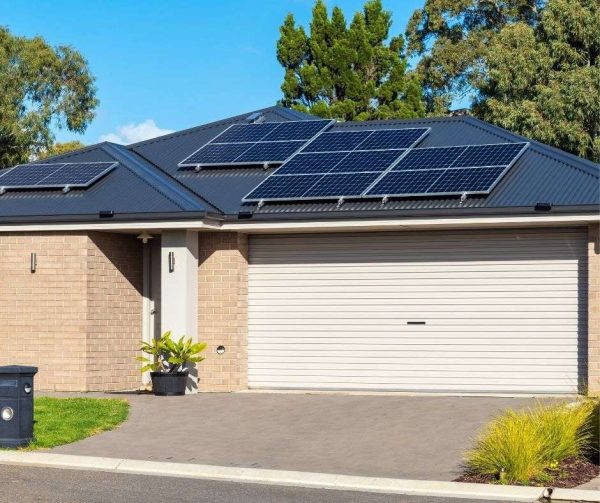
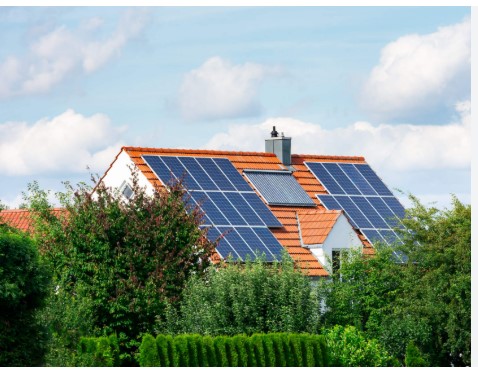
With over 280 days of sunshine a year, the River City is perfectly positioned to lead the charge in renewable energy. It is no surprise that Queenslanders have embraced the sun with open arms. According to the Australian Photovoltaic Institute, which tracks data supported by the Australian Renewable Energy Agency (ARENA), Queensland consistently maintains one of the highest rates of rooftop solar penetration in the world. In many Brisbane postcodes, more than 40% of free-standing dwellings now sport shimmering silicon panels on their roofs. Choosing to install solar power Brisbane isn’t just an environmental statement; it’s a calculated financial move to take back control of your household budget.
1. The Geographic Advantage of South East Queensland
Brisbane sits at a latitude that allows for incredibly high solar yields throughout the year. Unlike our southern neighbours in Melbourne or Hobart, our "winter" still provides ample UV rays to keep a solar inverter humming. When you invest in solar power Brisbane, you are tapping into a resource that is more reliable here than almost anywhere else on the planet.
2. Deciphering Solar Rebates and Incentives
The Australian Federal Government offers "Small-scale Technology Certificates" (STCs), which act as a direct discount on the upfront cost of your system. The value of these certificates depends on your location and the amount of renewable energy your system will produce. For those looking at solar power Brisbane, being in "Zone 3" means you receive a healthy number of certificates, often shaving thousands of dollars off the initial quote.
3. Selecting the Right Panel Technology
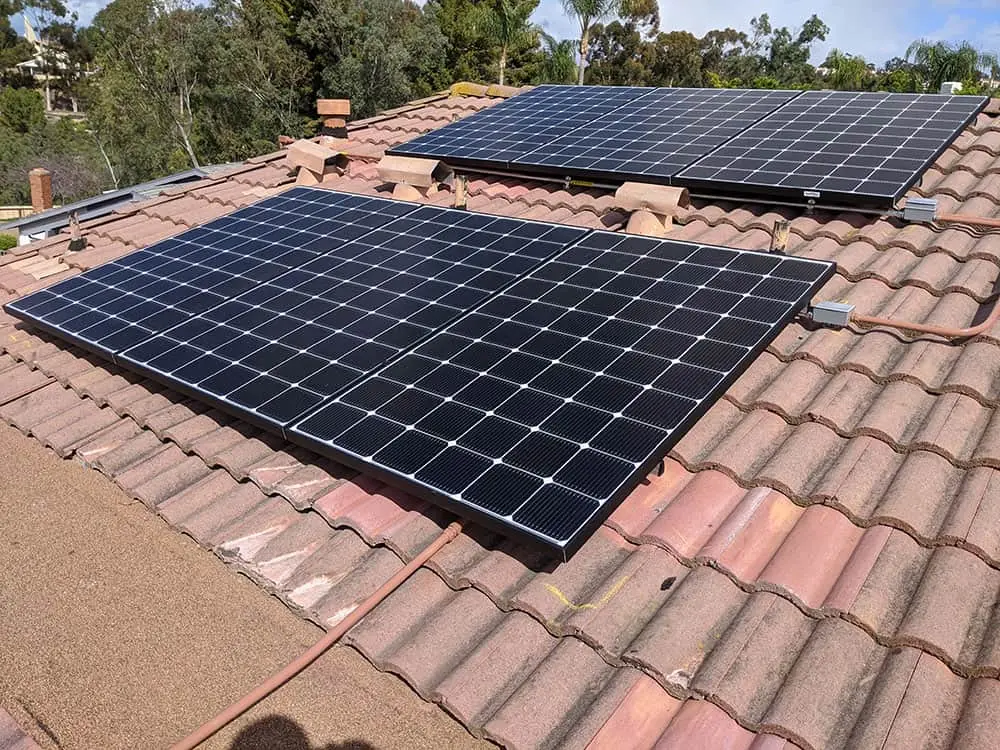
Not all panels are created equal. In the Brisbane heat, you need panels with a low "temperature coefficient." This ensures that when the roof temperature hits 60°C in mid-January, your panels don't lose significant efficiency. High-quality N-type monocrystalline cells are often the preferred choice for a robust solar power Brisbane setup due to their longevity and performance in high temperatures.
4. The Role of the Inverter
If panels are the heart of the system, the inverter is the brain. It converts the Direct Current (DC) produced by the panels into the Alternating Current (AC) used by your fridge, TV, and air conditioner. Given the high humidity in Queensland, choosing an inverter with a high IP rating (weatherproofing) is essential for any solar power Brisbane installation to ensure it survives the summer storm season.
5. Maximising Self-Consumption
The real secret to saving money isn't just generating power; it’s using it while it’s being made. Running your dishwasher, washing machine, and pool pump during the middle of the day—rather than at night—means you are using your own free energy instead of buying it from the grid. This "self-consumption" is the fastest way to see a return on your solar power Brisbane investment.
6. Understanding Feed-in Tariffs (FiTs)
Any excess electricity your system generates that you don't use is sent back to the grid. Your electricity retailer pays you a "Feed-in Tariff" for this. While these rates have lowered over the years, they still provide a nice credit on your bill. Comparing retailers is vital to ensure you get the best deal for your specific solar power Brisbane output.
7. The Battery Storage Revolution
While solar works beautifully during the day, many Brisbane families are now adding battery storage. Systems like the Tesla Powerwall or BYD batteries allow you to store that excess daytime sun for use during the evening peaks. This is the next logical step for anyone serious about solar power Brisbane and total energy independence.
8. Orientation and Tilt: The Brisbane Specs
In the southern hemisphere, north-facing roofs are generally the "gold mine" for solar. However, for many Brisbane homes, an east-west split is actually better. West-facing panels catch the late afternoon sun, which is exactly when we tend to turn on our air conditioners to combat the afternoon heat. A smart solar power Brisbane design takes your specific lifestyle and usage patterns into account.
9. Dealing with Shade and Debris
Brisbane is a green city, which means trees and flying foxes. Shade from a single branch can significantly drop the output of a traditional "string" inverter system. If your roof has shading issues, using micro-inverters or power optimisers can ensure each panel works independently, protecting the overall yield of your solar power Brisbane system.
10. Installation Standards and Safety
Queensland has some of the strictest electrical safety standards in the world. When looking for solar power Brisbane, ensure your installer is accredited by the Clean Energy Council (CEC). This guarantees that the workmanship meets Australian standards and that the components used are approved for use in our unique climate.
11. Maintenance and Cleaning
While solar is "set and forget" to an extent, Brisbane's dust and salt spray (for those near the bay) can build up on panels. A quick rinse every six months or a professional clean every two years can keep your solar power Brisbane system running at peak efficiency. It’s also wise to have a licensed electrician perform a "health check" every five years.
12. Estimating Your Return on Investment (ROI)
For a standard 6.6kW system, most Brisbane households see a "payback period" of between 3 and 5 years. Given that quality systems are warrantied for 25 years, you are looking at two decades of essentially free electricity. Few other home improvements offer such a clear and rapid financial return as solar power Brisbane.
13. Future-Proofing for Electric Vehicles (EVs)
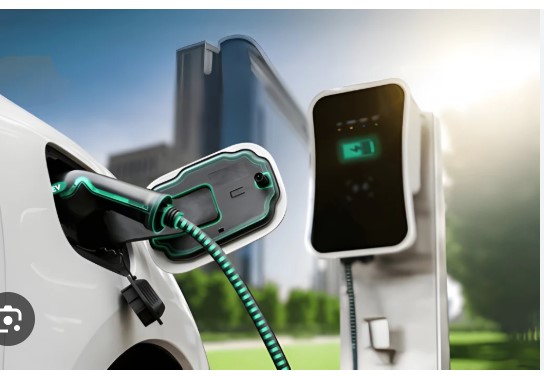
As more Brisbane residents switch to EVs, the demand for home charging is skyrocketing. Sizing your solar system slightly larger than you currently need is a smart way to prepare for a future where your roof doesn't just power your house, but also "fuels" your car.
14. Monitoring Your System
Modern solar systems come with sophisticated apps. You can sit at a cafe in South Bank and check exactly how many kilowatts your roof is producing in real-time. This visibility helps you adjust your habits and ensures your solar power Brisbane investment is always performing as promised.
15. Real-World Solar Performance
To see how these systems actually perform on local rooftops and what the installation process looks like in a Queensland setting, this video provides a great breakdown:
Solar Power Installation and Testing - Video Guide
16. Overcoming Roof Constraints
Think your roof is too small or the wrong shape? Modern mounting systems and high-efficiency panels mean that even complex roofs in suburbs like Paddington or Ashgrove can host an effective solar power Brisbane system. Bespoke rail designs can often find space where you thought there was none.
17. Environmental Impact and Carbon Footprint
Beyond the dollars, the environmental benefit is massive. By switching to solar, the average Brisbane home can save several tonnes of CO2 emissions every year. It’s a tangible way to contribute to a cleaner Queensland for future generations while enjoying the benefits of solar power Brisbane today.
18. Financing Your Solar Journey
Many banks now offer "green loans" with very low interest rates specifically for solar and battery installations. Often, the monthly savings on your electricity bill are greater than the loan repayments, making the system cash-flow positive from day one.
19. Community and Shared Solar
For those in apartments or rentals who can't install their own panels, Brisbane is seeing a rise in "solar gardens" and community energy schemes. While different from traditional solar power Brisbane setups, they allow everyone to participate in the renewable transition.
20. The Verdict
There has never been a better time to look into renewable energy. With soaring utility prices and falling technology costs, the argument for solar is undeniable. Brisbane is the sunshine capital—it’s time we used that to our full advantage.