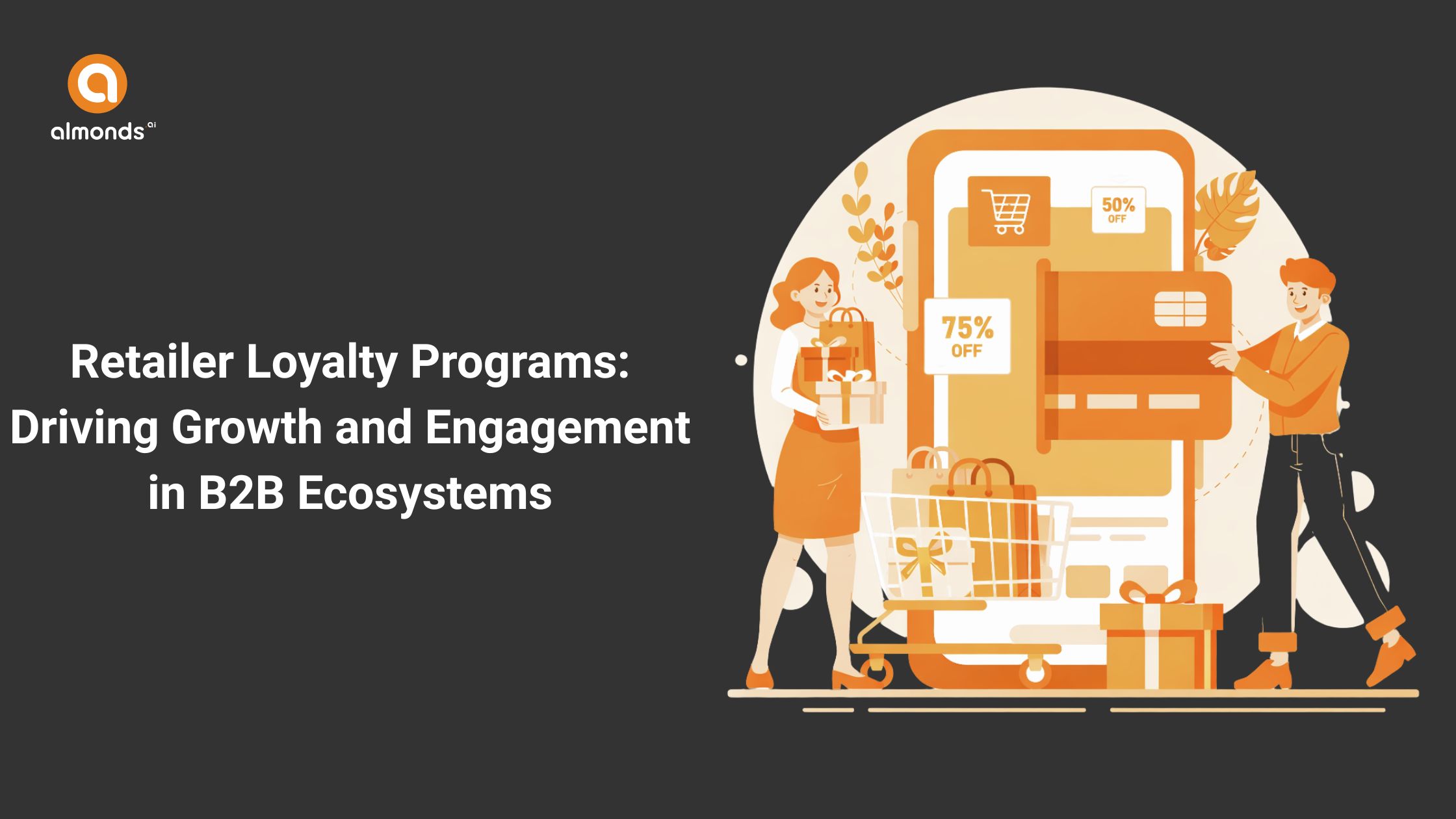
In today’s highly competitive distribution landscape, brands are no longer just competing for end consumers—they are competing for attention, shelf space, and preference among retailers. This is where retailer loyalty programs play a crucial role. For B2B companies, especially those operating through dealers, distributors, and retailers, loyalty programs are not just marketing tools—they are strategic growth engines.
A retailer loyalty program is a structured initiative that rewards retail partners for their continued engagement, repeat purchases, and contribution to business growth. Unlike traditional consumer loyalty programs, these programs are designed to strengthen long-term business relationships rather than short-term transactions.
What Are Retailer Loyalty Programs in B2B?
Retailer loyalty programs are performance-driven engagement systems that incentivize retailers based on key actions such as order frequency, sales volume, product promotion, and market expansion. These programs transform the relationship between brands and retailers from transactional to strategic.
In B2B environments, loyalty programs focus on account-level engagement, long buying cycles, and multi-stakeholder decisions, making them fundamentally different from B2C loyalty models.
Instead of simply offering discounts, modern retailer loyalty programs reward behaviors that drive business outcomes, such as:
Consistent ordering patterns
Promoting specific product lines
Expanding into new markets
Participating in training or brand initiatives
Why Retailer Loyalty Programs Matter for B2B Brands
1. Improve Retail Visibility
One of the biggest challenges for brands is gaining visibility at retail outlets. Retailers often stock multiple competing brands, and without proper engagement, your products may not get priority.
Retailer loyalty programs encourage partners to actively promote your products, ensuring better placement, visibility, and sales performance.
2. Increase Repeat Purchases
B2B loyalty programs are proven to increase retention and reorder frequency. By rewarding repeat behavior, brands can create a predictable revenue stream and strengthen long-term partnerships.
3. Strengthen Channel Relationships
In B2B, relationships matter more than price alone. Retailers stay loyal when they feel valued and supported. Loyalty programs provide recognition, rewards, and engagement that build trust and long-term commitment.
4. Boost Customer Lifetime Value
Loyal retail partners tend to purchase more over time and are more open to cross-selling opportunities. This directly increases the lifetime value of each retailer account.
Key Types of Retailer Loyalty Programs
1. Tier-Based Programs
Retailers are categorized into tiers based on performance metrics like sales volume or engagement. Higher tiers unlock exclusive benefits such as better margins, priority service, or special incentives.
2. Incentive-Based Programs
These programs reward retailers for specific actions like achieving sales targets, launching new products, or expanding distribution.
3. Relationship-Based Programs
Instead of focusing on transactions, these programs emphasize long-term partnerships through benefits like dedicated support, customized solutions, and flexible payment terms.
4. Points-Based Systems
Retailers earn points for purchases or activities, which can be redeemed for rewards, merchandise, or business benefits.
Each model should align with your business goals and the behavior you want to drive.
Key Features of a Successful Retailer Loyalty Program
To maximize impact, B2B retailer loyalty programs must go beyond basic rewards. Here are essential features:
Data-driven insights: Track retailer performance and behavior
Personalized rewards: Tailor incentives based on partner needs
Omnichannel engagement: Use mobile apps, dashboards, and communication tools
Transparency: Clear rules, tracking, and reward visibility
Automation: Reduce manual effort and improve efficiency
Most importantly, loyalty programs should be integrated into your overall business strategy—not treated as a standalone campaign.
Challenges in Implementing Retailer Loyalty Programs
While powerful, these programs come with challenges:
Lack of visibility across distribution channels
Difficulty in tracking retailer performance
Limited engagement due to poor communication
Ineffective reward structures
To overcome these challenges, businesses need a robust digital platform that ensures seamless execution and real-time insights.
How Almonds.ai Helps Build Effective Retailer Loyalty Programs
Platforms like Almonds.ai are designed specifically to address the complexities of B2B ecosystems. They enable brands to create customized retailer loyalty programs that drive engagement, improve visibility, and boost sales.
With advanced analytics, automation, and scalable solutions, Almonds.ai helps businesses:
Track retailer performance in real time
Design targeted incentive structures
Enhance partner engagement across regions
Drive measurable ROI through data-backed decisions
By leveraging such platforms, brands can transform their retailer network into a high-performing growth engine.
Conclusion
Retailer loyalty programs are no longer optional in B2B—they are essential for sustainable growth. By shifting the focus from transactions to relationships, these programs help brands build stronger partnerships, increase visibility, and drive consistent revenue.
In a world where retailers have multiple choices, loyalty programs give your brand a competitive edge by ensuring you remain their preferred partner. When executed strategically, they don’t just reward loyalty—they create it.