



Coming home after a surgery—whether it is a knee replacement, rotator cuff repair, or spinal procedure—brings a mix of relief and anxiety. You are glad the operation is over, but now you face the weeks or months of recovery ahead. It is tempting to simply rest and wait for time to heal things. However, that passive approach often leads to stiff joints, weak muscles, and unnecessary pain. This is where post-surgery rehabilitation physiotherapy becomes absolutely essential. Unlike general recovery advice you might find online, physiotherapy offers a structured, safe, and personalized path back to your normal life. A skilled physiotherapist understands exactly what was cut, sewn, or reconstructed inside your body. They know which movements protect the surgical repair and which ones gradually restore function. With their guidance, you can actually heal faster and more completely than if you went it alone.
Why the First Few Weeks After Surgery Are So Critical
The initial phase after any surgery sets the tone for everything that follows. Your body is busy forming scar tissue, reducing swelling, and beginning the natural healing cascade. But without movement, problems arise quickly. Adhesions can form between tissue layers, causing pain and restricted motion down the line. Muscles around the surgical site begin to atrophy within days. Joints lose their normal glide. A post-surgery physiotherapist steps in during this vulnerable window to provide gentle, safe interventions. They will teach you how to move in bed without straining your incision, how to use assistive devices like crutches or a walker, and which early exercises prevent complications like blood clots. This early guidance does not just speed healing; it prevents the secondary problems that often prolong recovery for months.
Managing Pain and Swelling Without Relying on Medications
While painkillers have their place after surgery, relying solely on medication can leave you feeling foggy, constipated, and disconnected from your body’s signals. Physiotherapy offers powerful drug-free tools for managing post-operative pain and swelling. Your physiotherapist might apply cryotherapy—specialized ice packs or even cold compression units—to reduce inflammation and numb painful tissues. Gentle elevation and manual lymphatic drainage techniques help move excess fluid away from the surgical site. Another surprisingly effective method is neuromuscular electrical stimulation, which uses mild electrical currents to contract muscles that you might not be able to activate on your own yet. This not only reduces swelling but also prevents muscle wasting while you are still protecting the surgical repair. Patients often find that a twenty-minute physiotherapy session leaves them feeling more comfortable and mobile than a dose of pain medication ever could.
Regaining Range of Motion Without Jeopardizing the Repair
One of the biggest fears after surgery is damaging what the surgeon just fixed. That fear often leads people to be overly cautious, keeping their joint completely still. Unfortunately, that caution backfires when the joint becomes frozen and stubborn. A post-surgery physiotherapist walks a careful line between protection and progression. They know the exact motion limits set by your surgeon—for example, how much shoulder elevation is allowed after a rotator cuff repair or what degree of knee bending is safe following ACL reconstruction. Using gentle passive movements and active-assisted exercises, they slowly take your joint through its allowable range. Over weeks, they systematically push those boundaries as tissues heal and strengthen. This gradual, informed approach prevents both re-injury and stiff joints. You will learn to distinguish between productive discomfort that leads to progress and dangerous pain that signals trouble.

Strengthening Muscles That Have Gone Quiet
Surgery and the subsequent rest period inevitably cause muscle weakness. This is not a sign of laziness; it is a predictable physiological response called atrophy. The challenge is that weak muscles leave your joint unstable and unable to perform daily tasks. A good physiotherapy program introduces strengthening exercises in a precise sequence. Initially, you might start with isometric contractions where you tighten a muscle without moving the joint—like squeezing your quadriceps while your knee stays straight. As healing progresses, you move to gentle resistance bands, then bodyweight exercises, and eventually functional movements like climbing stairs or lifting light objects. Each stage is carefully selected to challenge your muscles without stressing the surgical repair. This thoughtful progression means you regain strength efficiently, reducing the overall time you spend feeling weak and vulnerable.
Avoiding Common Post-Surgery Complications
Nobody wants to think about complications, but being aware of them helps you avoid trouble. Stiffness is the most frequent issue, but physiotherapy also prevents other serious problems. After lower body surgeries, your therapist will monitor for signs of deep vein thrombosis—blood clots that can form in the calf—and teach you ankle pumps and gentle walking to keep blood flowing. They watch for improper gait patterns, like limping or shifting weight awkwardly, which can cause new pains in your hips or lower back. Scar tissue management is another crucial area. Your physiotherapist may perform scar massage techniques to keep the incision area flexible and prevent adhesions from sticking to underlying tissues. They can also identify early signs of complex regional pain syndrome or delayed healing. Catching these issues early means simple fixes rather than major interventions down the road.
Building a Realistic Timeline and Knowing What to Expect
One of the most valuable things a post-surgery physiotherapist provides is a clear roadmap. Without professional guidance, you might push too hard too soon and re-injure yourself, or stay too cautious and delay your progress indefinitely. Your therapist will outline realistic milestones week by week. For example, after a total knee replacement, you might aim to straighten your leg fully by week two, achieve ninety degrees of bending by week four, and walk without a cane by week eight. Having these targets keeps you motivated and gives you permission to rest when you meet a goal rather than feeling guilty. Your physiotherapist will also tell you honestly when you can drive again, return to desk work, or eventually resume recreational sports. This transparency reduces the anxiety of not knowing what comes next. Ultimately, post-surgery rehabilitation physiotherapy transforms a vague, intimidating recovery period into a series of small, achievable wins. Each session builds on the last, and before you know it, you are doing things you thought were months away. That is the safe, speedy recovery you deserve. For more visit here https://physio-central.com/



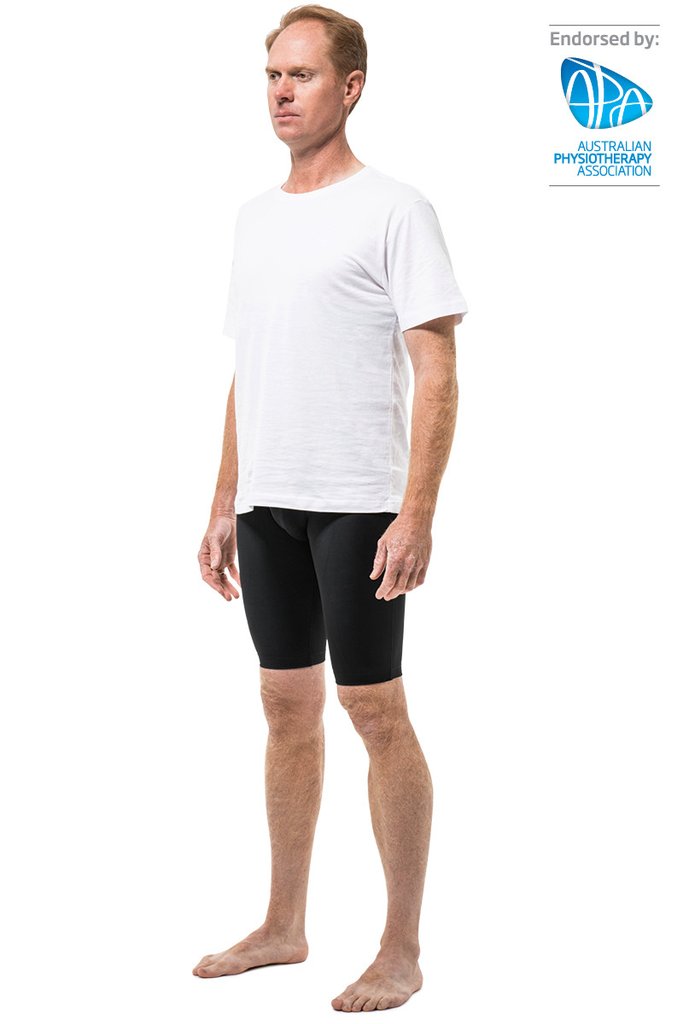
If you are about to have surgery, SRC SurgiHeal garments may just be the ‘wonderwear’ you need to facilitate post-surgical wound healing and rehabilitation with effective pain relief: Lower back surgery Gynecological procedures including vaginal repair and hysterectomy Spinal surgery Lower abdominal surgery and Hernia.
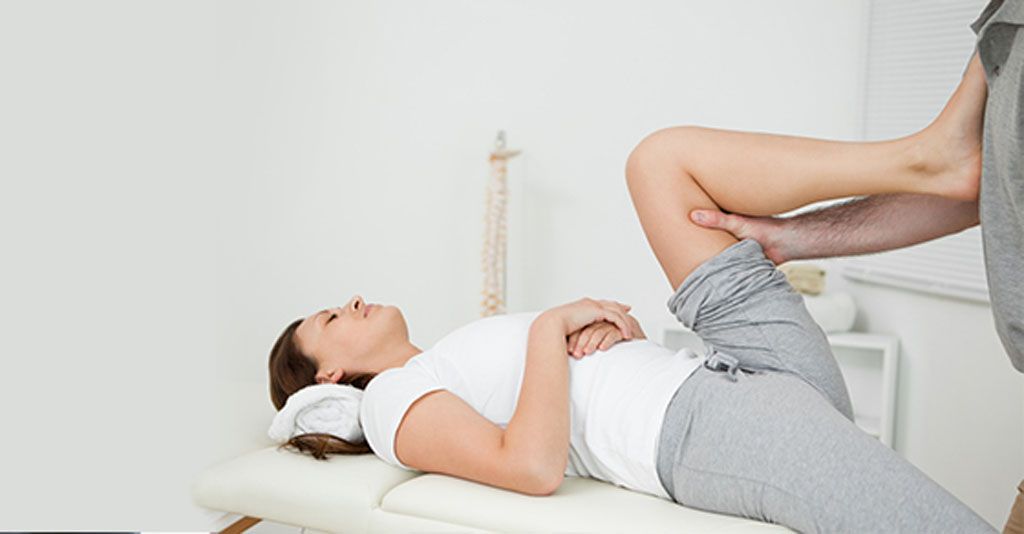
Stay Active Rehabilitation is a multidisciplinary physiotherapy treatment clinic that provides the best Rehabilitation & Massage services in North York, Downtown, Toronto, and surrounding communities.