





A recent study has raised fresh concerns about the safety of reusable period products, revealing the presence of per- and polyfluoroalkyl substances (PFAS) widely known as "forever chemicals" in many items marketed as eco-friendly alternatives to disposables.
Researchers from Indiana University's Paul H. O'Neill School of Public and Environmental Affairs and the University of Notre Dame tested 59 reusable feminine hygiene products, including period underwear, reusable pads, menstrual cups, and reusable incontinence items. The findings, published in Environmental Science & Technology Letters, mark the first confirmation of intentional PFAS use in this category.
A pilot study by scientists at two prominent U.S. universities has exposed an unsettling reality in products that millions rely on for both sustainability and daily comfort: detectable levels of PFAS, the persistent "forever chemicals" that do not break down easily in the body or the environment. These compounds turned up in nearly 30 percent of the tested samples at concentrations indicating deliberate addition during manufacturing typically to form water-resistant layers that guard against leaks.
This discovery arrives amid booming demand for reusable menstrual options, fueled by growing environmental consciousness and efforts to cut back on single-use waste. Yet the evidence challenges assumptions about these products, prompting serious questions about the substances touching one of the most sensitive areas of the body.
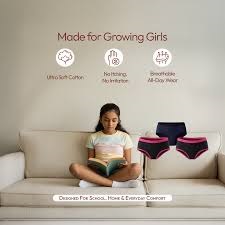
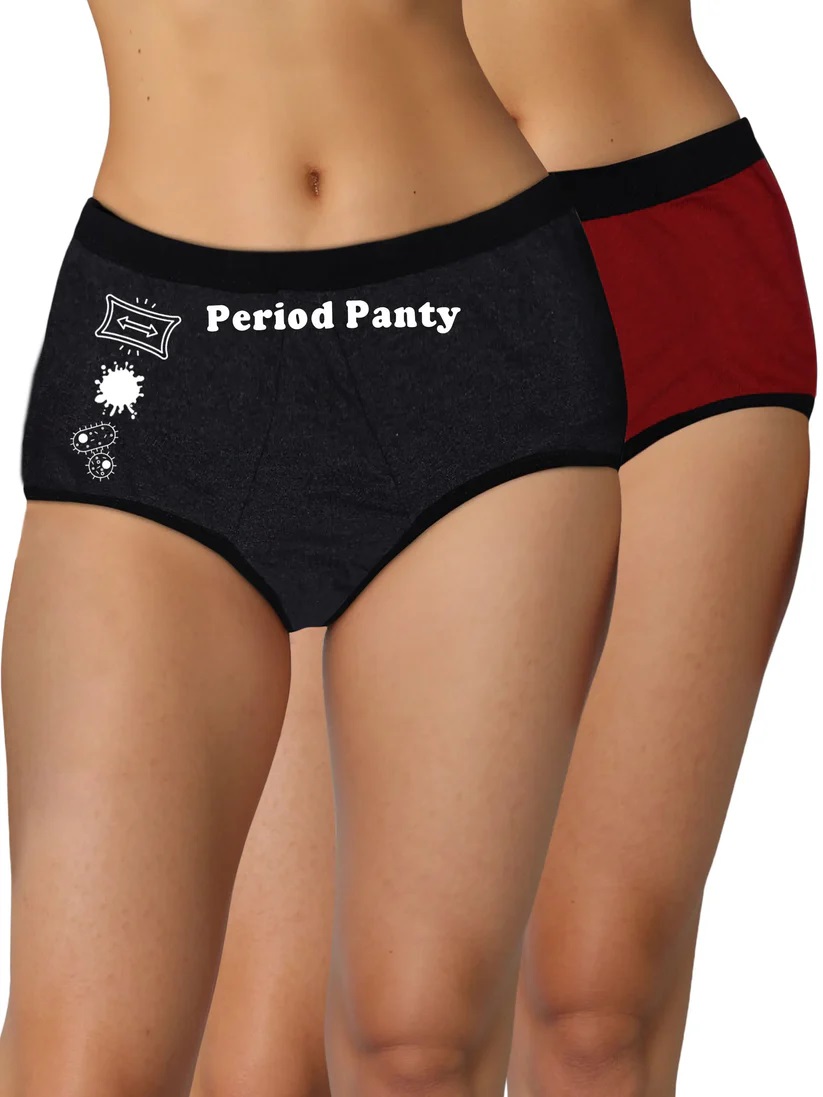
Finding the right intimate wear can be tough, especially when bras pinch, slip, or don't provide enough support during school or play. Whether you're a teen girl or a young woman, we understand the frustration. That's why DChica created India's first teen-focused innerwear collection breathable cotton designs with adjustable straps, high coverage, and leakproof period panties. Our bras, camisoles, period panties, and shapewear offer the perfect balance of comfort and support. Celebrate your growth and confidence every day at DChica. Shop now!
The Rise of Reusables and an Unforeseen Complication
Reusable menstrual products have gained widespread appeal as practical, planet-friendly choices. Period underwear delivers reliable protection via multi-layered designs, reusable pads provide easy-to-clean convenience, and menstrual cups offer a reusable, non-absorbent alternative valued for cost savings and reduced environmental footprint.
The research examined products sourced from markets across North America, South America, and Europe. Nearly 30 percent displayed PFAS levels pointing to intentional incorporation. Period underwear showed the highest rate of deliberate fluorination at 33 percent, with reusable pads following at 25 percent. Menstrual cups and incontinence items registered lower incidences, though traces appeared in some.
Most items about 71.2 percent contained only low PFAS amounts, probably from unintentional sources like packaging contact. The elevated concentrations, however, strongly suggest purposeful application to boost moisture-blocking performance.
The India lingerie market size reached USD 5.4 Billion in 2024. The market is projected to reach USD 12.0 Billion by 2033, exhibiting a growth rate(CAGR) of 8.40% during 2025-2033. The market growth is attributed to increasing awareness and acceptance of lingerie as an essential part of daily wear and fashion, rising disposable income, growing middle-class population, and the influence of celebrity endorsements. North India exhibited dominance, accounting for the largest market share in 2024.
Inside the Laboratory Findings
Scientists used particle-induced gamma-ray emission spectroscopy to screen for total fluorine, a dependable marker for PFAS presence. Follow-up targeted testing on selected samples pinpointed specific compounds, notably fluorotelomer alcohols such as 6:2 and 8:2 forms, which ranked among the most prevalent.
In certain instances, total fluorine levels soared well above the roughly 110 ppm threshold widely viewed as evidence of intentional addition. These results build on prior worries about PFAS in everyday items but break new ground by documenting them in reusable feminine hygiene products for the first time.
While the sample remains modest, the authors stress its value as an informative snapshot for consumers, policymakers, and industry players seeking to understand and address potential risks.
Why PFAS Raise Serious Health and Environmental Alarms
PFAS live up to their "forever" label by lingering indefinitely, building up over time in human blood, tissues, and the wider environment. Linked health effects include compromised immune function, hormonal imbalances, elevated cancer risks, and developmental concerns in children. With intimate, prolonged contact from these products, possibilities for dermal absorption or gradual release heighten the concern.
Environmentally, the contradiction stands out sharply: reusables help divert waste from landfills compared to disposables, yet PFAS-laden disposal can still release persistent pollutants into soil, waterways, and agricultural systems. As researchers have pointed out, discarded materials do not vanish they often migrate into drinking water supplies or irrigation networks, affecting communities far beyond the initial user.
Navigating Obstacles for Shoppers and Manufacturers
Many who choose reusables do so with health and eco-impact in mind, often presuming natural or organic materials equate to chemical safety. Discovering PFAS disrupts that confidence, particularly when products lack detailed ingredient lists or independent verification.
Among the core difficulties:
Absence of required PFAS labeling in numerous jurisdictions, which keeps buyers uninformed.
Reliance on these chemicals in production to achieve desired leak resistance, even within lines promoted as green.
The ongoing tension between effective performance features and long-term safety considerations.
Regulatory blind spots for intimate wear items that fall outside traditional cosmetic or medical device categories.
Companies now confront mounting calls to reformulate recipes, increase disclosure, or pursue PFAS-free certifications steps that demand significant resources and adjustments across complex supply chains.
Pathways Toward Healthier, More Transparent Options
Far from signaling the end of reusable products, the study illuminates opportunities for genuine advancement. Advances in alternative fabric treatments could deliver comparable leak protection without PFAS. Certain brands have already introduced certified PFAS-free lines, and rising consumer expectations stand to drive broader change.
Enhanced transparency, routine third-party testing, and more robust standards hold the potential to transform scrutiny into meaningful progress. In the USA, regulators continue to tighten oversight of PFAS in consumer goods, a trend likely to influence global practices. For individuals, the research equips smarter decision-making: prioritizing brands with explicit safety assurances, advocating for further investigation, and carefully balancing factors like usability, personal health, and ecological responsibility.
Looking Forward with Caution and Optimism
As public understanding deepens, this work underscores a vital truth: sustainability claims must extend beyond waste reduction to include genuine chemical safety. The reusable menstrual product sector keeps expanding rapidly, yet so does examination of its concealed components. Specialists call for expanded research, improved labeling practices, and proactive reformulation to safeguard users and ecosystems alike.
In the end, even choices made with the best intentions merit careful evaluation. By staying vigilant and pressing for greater accountability, consumers and industry alike can help shape a future where these essential products fulfill their eco-friendly promise free from persistent, avoidable hazards.
Frequently Asked Questions
Are reusable period products like period underwear safe, or do they contain harmful chemicals?
Some reusable period products have been found to contain PFAS (per- and polyfluoroalkyl substances), commonly called "forever chemicals." A study by Indiana University and the University of Notre Dame tested 59 products and found that nearly 30% showed PFAS levels consistent with intentional use during manufacturing. Period underwear had the highest rate at 33%. While not all reusable products contain elevated PFAS levels, shoppers should look for brands with certified PFAS-free labeling and third-party testing.
What are PFAS "forever chemicals" and why are they dangerous in menstrual products?
PFAS are synthetic chemicals that resist breaking down in the body or the environment, earning them the nickname "forever chemicals." They are linked to serious health concerns including hormonal disruption, weakened immune function, elevated cancer risk, and developmental issues in children. Their presence in intimate menstrual products is particularly concerning because prolonged skin contact in a sensitive area increases the potential for dermal absorption over time.
How can I find PFAS-free reusable period products?
To avoid PFAS in reusable menstrual products, look for brands that explicitly offer PFAS-free certifications and transparent ingredient disclosure. Some companies have already launched certified PFAS-free product lines in response to growing consumer demand. Advocacy for stricter labeling regulations and routine third-party testing can also drive broader industry accountability, making it easier for shoppers to make informed, safer choices.
Disclaimer: The above helpful resources content contains personal opinions and experiences. The information provided is for general knowledge and does not constitute professional advice.
You may also be interested in: Why Teens Need to Understand the Importance of Bra Size - D'chica
Finding the right intimate wear can be tough, especially when bras pinch, slip, or don't provide enough support during school or play. Whether you're a teen girl or a young woman, we understand the frustration. That's why DChica created India's first teen-focused innerwear collection breathable cotton designs with adjustable straps, high coverage, and leakproof period panties. Our bras, camisoles, period panties, and shapewear offer the perfect balance of comfort and support. Celebrate your growth and confidence every day at DChica. Shop now!

In an era where environmental responsibility intersects with personal health, a quiet revolution is unfolding in menstrual care. Adolescents today are increasingly turning to reusable period underw