Residential Roofing Services in Austin, TX: Everything Homeowners Need to Know in 2026
If you own a home in Austin, your roof is one of the hardest-working parts of your entire property. Triple-digit summer heat, UV radiation that degrades materials faster than almost any other city in the country, and hailstorms that can arrive with less than 30 minutes of warning — your roof absorbs all of it while you go about your life indoors. Most homeowners only think about their roof when something visibly goes wrong. By then, the window for inexpensive repairs has already passed.
This guide covers every major aspect of residential roofing services in Austin — from understanding what your roof actually needs in Central Texas's climate to navigating costs, repairs, replacements, inspections, and contractor selection in 2026. Whether you're dealing with active storm damage or just planning ahead, everything you need is here.
What "Residential Roofing Services" Actually Covers
The term gets used loosely, but for an Austin homeowner, residential roofing services typically break down into six distinct categories:
1. Roof Inspections — A professional evaluation of your roof's current condition, including surface materials, flashing, decking, gutters, and attic ventilation. Can be scheduled proactively or triggered by a storm event or home sale.
2. Roof Repair — Targeted work to fix specific damage without replacing the entire system. Examples include replacing missing or cracked shingles, resealing flashing around chimneys and vents, patching leak points, and repairing gutters.
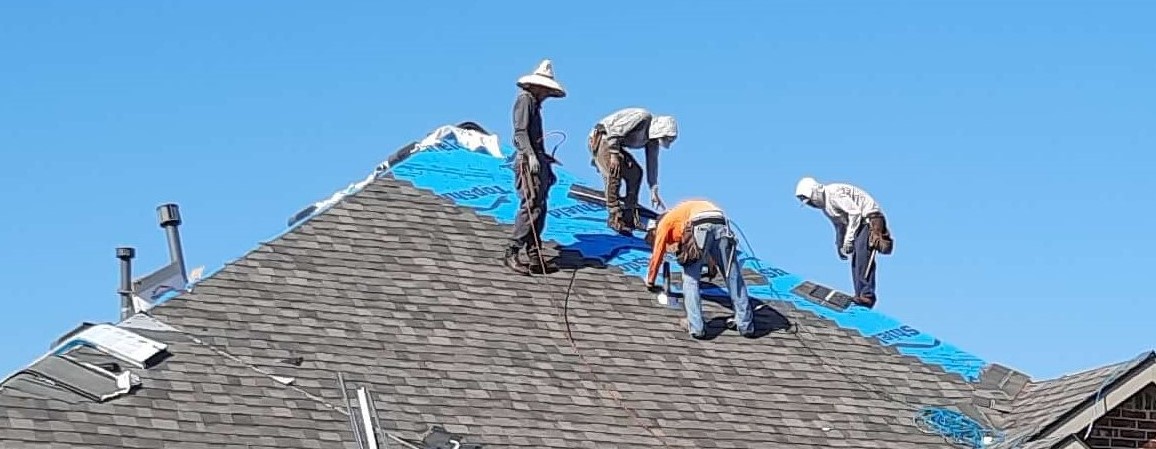
3. Roof Replacement (Re-Roofing) — Complete removal of the existing roofing system down to the decking, followed by a new installation. The most significant residential roofing project a homeowner undertakes.
4. Storm Damage Restoration — A specialized category that combines inspection, insurance documentation, and repair or replacement work after hail, wind, or flood events. Austin's hail frequency makes this one of the most commonly requested services in the metro area.
5. Attic Ventilation Services — Installation, repair, or upgrade of ventilation systems that regulate attic temperature and moisture. Critically important for roof longevity in Austin's extreme heat but frequently overlooked.
6. New Construction Roofing — Installation of roofing systems on newly built homes. Less common for existing homeowners but relevant for those building in Austin's still-active development corridors.
Understanding which of these services you actually need is the first step — and the answer isn't always obvious without a professional inspection.
The Central Texas Climate Problem: Why Austin Roofs Age Faster
Austin sits at a climatic crossroads that creates unusually harsh conditions for roofing materials. The combination of factors your roof faces here is more punishing than most of the continental United States.
Sustained extreme heat. Summers in Austin regularly produce sustained temperatures above 100°F for weeks at a time. Roofing materials — particularly asphalt shingles — undergo repeated thermal expansion and contraction across thousands of cycles over their lifespan. This physical stress breaks down the binder materials, causes brittleness, and accelerates granule loss. An architectural asphalt shingle rated for 25–30 years in a moderate climate typically performs for only 18–25 years in Austin's conditions.
Intense UV exposure. Even on days that don't hit extreme temperatures, Austin receives high-intensity UV radiation year-round. UV breaks down asphalt compounds, fades color, and causes surface cracking that makes shingles more vulnerable during rain and wind events.
Spring hailstorms. The Greater Austin area — including surrounding communities like Round Rock, Cedar Park, Pflugerville, and Leander — sits in a corridor of elevated hail frequency. March through May is the peak risk window, and hailstorms can drop marble-sized or larger hail with very little warning. Hail damage ranges from visible cracking and granule removal on asphalt shingles to invisible bruising that compromises the shingle's structural integrity without showing obvious surface damage.
Flash flooding and high-intensity rainfall. Austin is one of the most flash-flood-prone cities in the United States. When several inches of rain fall in under an hour — which happens multiple times a year — your roofing system's drainage, flashing integrity, and underlayment all face simultaneous stress. A roof that's performing adequately in light rain can fail catastrophically in a flash flood event if its flashing has degraded.
Temperature swings in winter. Austin also experiences periodic hard freezes, and the rapid cycling from sub-freezing temperatures to 70°F+ within 24–48 hours places additional stress on already-compromised roofing materials.
The takeaway: roofing decisions that make sense in Houston or Dallas may not be optimal for Central Texas. Local knowledge matters.
Residential Roof Repair in Austin: When It Makes Sense
Repair is the right choice when damage is genuinely isolated and the overall roofing system remains structurally sound. The challenge is determining that accurately — which requires a professional inspection, not a ground-level visual.
Situations where repair is appropriate:
- A few missing or cracked shingles after a wind event, with surrounding shingles in good condition
- Isolated flashing failure around a chimney, vent pipe, or skylight — often the actual source of leaks that appear to be widespread
- Small leak at a single penetration point where the cause is clearly identified and the surrounding deck is intact
- Granule loss localized to one section of the roof on a relatively newer installation
- Gutter-related damage where water has backed up under the drip edge but the shingles and deck remain uncompromised
Situations where repair becomes a delay rather than a solution:
On Austin roofs over 15–20 years old, repairs often extend the roof's life by only one to two additional years before the next failure point surfaces. The reality of Austin's climate is that once a shingle system reaches a certain age, the degradation is system-wide — not just at the point of visible failure. Paying for repairs on an aging roof can become more expensive over three years than a replacement would have been.
The 50% rule as a useful benchmark: If the estimated cost of repair exceeds 50% of the cost of a replacement — or if you've paid for multiple repairs in the last two to three years — replacement is almost always the better financial decision.
Minor repairs, like replacing a few shingles or resealing pipe boots, typically cost a few hundred to $1,500 depending on scope and access. More extensive repair work — multiple sections, significant flashing replacement, decking repair — can run $2,000–$5,000 before the economics of full replacement start to become more compelling.
Residential Roof Replacement in Austin: 2026 Cost Breakdown
A full roof replacement is the most significant residential roofing investment most Austin homeowners make. Here's what the real numbers look like in 2026.
The Baseline Range
For a complete residential roof replacement with architectural asphalt shingles on an average Austin home (2,000–2,500 sq ft), expect to pay $8,000 to $18,000 installed. The midpoint for a typical installation runs approximately $12,000 to $15,000. Larger homes, complex rooflines, and premium materials push costs higher — Austin homeowners typically spend up to $9,500–$30,000 depending on scope and material choice.
Austin's roofing market runs 15–20% above statewide averages due to high demand, labor shortages, and stricter local building code requirements. Material prices rose an additional 7–10% entering 2026, with metal roofing seeing the steepest increases.
Additional Cost Factors
Roof pitch and complexity. A steep roof (above a 6:12 pitch ratio) requires harnesses, safety equipment, and slower production, adding 10–25% to labor costs. Every additional valley, hip, dormer, or penetration adds cutting, flashing, and labor time.
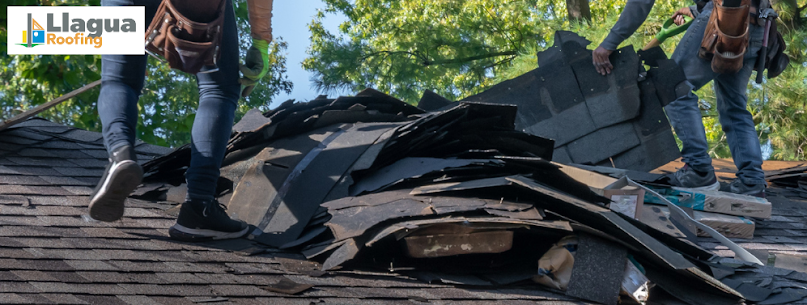
Tear-off and disposal. Every legitimate full replacement starts with complete tear-off down to the decking — never an overlay. Tear-off runs $1–$3 per square foot. Disposal of old roofing material is included in most full-service quotes; confirm this when comparing bids.
Decking repair. Once the old roofing is removed, contractors can assess the condition of the plywood or OSB decking underneath. Rotted, water-damaged, or structurally weakened decking must be replaced before new roofing is installed. Deck replacement adds $40–$60 per 4×8 sheet plus labor. Budget for this as a potential additional cost even if the contractor's initial quote doesn't include it.
Permits. Austin requires a permit for full roof replacements. The City of Austin charges a flat rate of $333 for a re-roof permit, which includes the mandatory inspection. Your contractor should pull this permit — if they suggest skipping it, that is a serious red flag.
Labor. Skilled roofing labor in Austin currently runs $45–$75 per hour, and labor represents 40–50% of most total replacement costs. During peak season (April through September), scheduling delays of four to eight weeks are common.
Timing and Savings
Fall and winter — October through March — consistently offer the best pricing on residential roofing services in Austin. Off-season scheduling can yield 10–20% in labor savings, faster project timelines, and more scheduling flexibility. Spring and early summer see the heaviest demand, particularly in the weeks following major hail events.
Residential Roof Inspection: What It Covers and When to Schedule One
A professional roof inspection is the foundation of good roof maintenance. It tells you what you actually have rather than what you assume.
What a Professional Inspection Evaluates
A thorough residential roof inspection in Austin should cover:
Exterior surface assessment: Condition of all roofing material (shingles, tile, or metal panels), granule loss, cracking, curling, missing pieces, and visible storm damage. Includes ridge caps, which are high-failure areas.
Flashing inspection: All metal flashing around chimneys, skylights, vent pipes, roof edges, walls, and valley transitions. Flashing failures are the most common cause of roof leaks and are often missed in superficial inspections.
Gutter system: Functionality, slope, attachment condition, and evidence of granule accumulation (which indicates shingle degradation rate).
Drainage patterns: Any areas where water is pooling, where drainage is obstructed, or where ponding may be occurring on lower-slope sections.
Attic and interior assessment: Evidence of moisture infiltration, water staining, mold, or structural issues from below the roofing system. Attic ventilation performance is assessed here — a critical component often evaluated separately.
Photo documentation: Reputable Austin roofing companies provide detailed photo reports of their findings, not just verbal summaries. This documentation is essential for insurance claims and future reference.
When to Schedule an Inspection
Annually (minimum). Austin's climate warrants at least one professional inspection per year. Many experienced local contractors recommend scheduling before hail season (late winter/early spring) and after it (late May through June).
After any significant storm. Hail events, high-wind episodes, and flash flooding all warrant an inspection even when no obvious damage is visible from the ground. Hail bruising on asphalt shingles — which compromises the shingle without creating visible surface cracks — is only detectable from a close-up inspection on the roof surface.
When buying or selling a home. A roof inspection during a real estate transaction protects buyers from inheriting undisclosed damage and gives sellers an opportunity to address issues before they become negotiating points.
When energy bills increase unexpectedly. A damaged or poorly ventilated roof allows heat to migrate into the living space, increasing cooling loads. If your utility bills have spiked without another clear explanation, have your roof and attic assessed.
If the roof is 15+ years old. Proactive inspections on older roofs allow you to plan financially for replacement rather than respond to emergency failures.
Most reputable Austin roofing companies offer free inspections, removing any cost barrier to getting a professional assessment.
Attic Ventilation: The Most Overlooked Residential Roofing Service in Austin
Attic ventilation is consistently one of the most undervalued aspects of residential roofing — and one of the most consequential in Austin's climate.
Why It Matters So Much in Central Texas
Without adequate ventilation, attic temperatures in Austin can reach 150–160°F during summer months — far exceeding outdoor air temperatures. This trapped heat does several things simultaneously:
- Accelerates shingle degradation from below, significantly shortening roof lifespan
- Increases heat transfer into living spaces, forcing air conditioning systems to work harder and raising utility costs
- Creates conditions for moisture condensation during temperature swings, which can lead to mold growth and structural wood rot over time
Proper attic ventilation works through balanced airflow: cool air enters through intake vents (typically soffit vents at the eave line) and hot air exhausts through ridge vents or gable vents at the roof's peak. The system only functions correctly when both intake and exhaust are properly sized and unobstructed.
Signs of Ventilation Problems
- Unusually high cooling bills relative to similar homes or prior years
- Excessive heat on the second floor compared to the first
- Ice damming during freeze events (less common in Austin but possible)
- Shingles aging faster than expected given their age
- Moisture or mold found during attic inspection
Ventilation System Types
Ridge vents run along the roof's peak and allow hot air to exhaust continuously along the highest point of the attic. Considered the most effective passive ventilation option for most Austin roof designs.
Soffit vents are installed at the eave line and serve as intake points for cooler outside air. Soffit vents must remain unobstructed — attic insulation pushed against the soffit is a common blockage issue.
Gable vents are installed in the triangular wall at each end of a gable roof and enhance cross-airflow. They work well in combination with other vent types.
Powered attic fans (solar attic fans) provide active exhaust and can be particularly effective in Austin's peak summer heat. Solar-powered versions operate without adding to electricity costs and can meaningfully reduce attic temperatures.
Adding or upgrading attic ventilation is often recommended as part of a roof replacement but can also be installed as a standalone service. The improvement in both roof lifespan and energy efficiency frequently delivers a strong return on the investment.
Navigating HOA Requirements for Residential Roofing in Austin
Many Austin neighborhoods — particularly in established communities like Tarrytown, Westlake, Circle C, Steiner Ranch, and Barton Creek — have active HOA covenants that govern roofing material choices, colors, and sometimes even contractor requirements.
What HOAs typically regulate:
- Approved materials: Some HOAs restrict or prohibit metal roofing, require specific tile profiles, or mandate that replacement materials match the existing architectural character of the neighborhood.
- Color palette: HOA governing documents often specify approved shingle or tile colors. This can limit your ability to change from a dark brown shingle to a lighter gray, even if the performance benefits are clear.
- Aesthetic compatibility: Replacement materials are often required to match or be substantially similar to the original installation.
What to do before signing a contract:
Review your HOA's governing documents (CC&Rs) before selecting a contractor or materials. Many Austin homeowners discover HOA restrictions only after a contractor has already submitted a quote for materials that aren't permitted.
Work with contractors who have experience navigating Austin HOA requirements. Experienced local roofers know which neighborhoods have active HOA oversight and can advise on material choices that will pass approval without requiring a variance process.
If you want to install metal roofing in an HOA neighborhood, stone-coated steel is often the preferred solution — it provides the durability benefits of metal while visually mimicking the appearance of traditional shingles or tile, which many HOAs find acceptable.
Submit your replacement plans for HOA approval before scheduling work. Most HOAs require a written application with material samples or specification sheets. Processing times vary.
Understanding Residential Roofing Warranties in Austin
Warranties are one of the most misunderstood aspects of residential roofing. There are two completely separate warranties involved in every roof replacement, and they cover very different things.
Manufacturer's Material Warranty
This warranty comes from the shingle or roofing material manufacturer (GAF, Owens Corning, CertainTeed, Malarkey, etc.) and covers defects in the roofing material itself. Standard architectural shingle warranties run 25–30 years. However, the full warranty coverage — including labor costs for replacement if materials fail — often requires that the installation be performed by a manufacturer-certified contractor.
Important: Manufacturer warranties typically cover material defects, not installation errors or weather damage. They also don't cover "normal wear" in many cases. Read the warranty documentation carefully.
Enhanced warranties are available through certified contractors. GAF Master Elite contractors, for example, can offer the GAF System Plus warranty, which extends coverage and includes labor. These enhanced warranties often also carry a property transfer provision, adding meaningful value when selling your home.
Contractor's Workmanship Warranty
This warranty comes from the roofing contractor and covers the quality of the installation work itself — improper flashing, missed nail patterns, underlayment errors, and similar installation failures. Workmanship warranties in Austin typically range from 2 to 10 years depending on the contractor, with some premium contractors offering longer terms.
This warranty is entirely dependent on the contractor remaining in business. A workmanship warranty from an out-of-state storm-chaser contractor who won't be operating in Austin next year is worth nothing. Always ask contractors for their local track record and how long they've been continuously operating in the Austin market.
What Voids a Warranty
Common actions that void roofing warranties include: installing a second layer over the new roof without contractor approval, making unauthorized modifications (satellite dish installations, HVAC equipment placements), allowing improper repairs by non-certified contractors, and failing to maintain gutters, which can cause water damage attributed to neglect rather than material failure.
The 2026 Austin Residential Roofing Market: What to Expect
The residential roofing market in Austin continues to evolve. A few dynamics are particularly relevant for homeowners making decisions in 2026.
Material costs are up. Across all roofing materials, prices are running 7–10% higher than 2025 levels. Metal roofing has seen the steepest increases, with standing seam systems up 12–15%. Budget planning should account for this trend continuing through the remainder of the year.
Labor availability is constrained. Skilled roofing labor is harder to secure than at any point in recent memory. Experienced crews are earning $45–$75 per hour, and storm backlogs from 2024–2025 weather events continue to affect scheduling capacity. During peak months, four-to-eight-week wait times for non-emergency work are common with reputable contractors.
Building code updates. Austin adopted stricter residential roofing code requirements in 2026. Ensure any contractor you hire is current on local code compliance — this affects underlayment specifications, ventilation requirements, and fastening patterns.
Insurance market pressure. Texas homeowner's insurance markets remain stressed. Some carriers have restricted coverage or increased deductibles for wind and hail damage. Installing Class 4 impact-resistant shingles remains one of the most effective ways to reduce insurance costs — qualifying for 20–35% annual discounts — while simultaneously improving roof performance.
How to Evaluate a Residential Roofing Contractor in Austin
Everything above becomes more valuable with the right contractor. Here's a condensed evaluation checklist:
Verify the Texas license. Check active status at tdlr.texas.gov. No exceptions.
Confirm both insurance types. General liability AND workers' compensation. Request certificates and call to verify.
Look for manufacturer certification. GAF Master Elite, CertainTeed ShingleMaster, or Owens Corning Platinum Preferred signal a contractor who meets third-party quality standards. Fewer than 3% of roofing contractors nationally hold GAF Master Elite status.
Assess local tenure. Minimum three to five years of continuous local operation in Austin. Long-standing locally owned companies (some Austin roofing companies have been operating since the 1980s and 1990s) offer accountability that newer or out-of-state operators cannot.
Get three detailed written quotes. Every quote should itemize materials (by brand and product line), tear-off and disposal, permits, warranty terms (both material and workmanship), and a clear timeline. Vague one-line estimates are a warning sign.
Ask specifically about permit handling. Your contractor should pull the permit from the City of Austin and schedule the required inspection. This is standard practice for legitimate operators.
Check review patterns, not just star ratings. Look at how the contractor responds to negative reviews, whether recent reviews mention cleanup quality and post-project follow-through, and whether reviewers describe similar project types to yours.
Avoid storm chasers. Out-of-state contractors who appear after major hail events often offer to do the work for "just your deductible" — which is illegal in Texas. Confirm that any contractor soliciting your business after a storm is licensed in Texas, carries active insurance, and has a verifiable local operating history.
Frequently Asked Questions About Residential Roofing Services in Austin
How long does a roof last in Austin?
Architectural asphalt shingles last 20–25 years (versus 25–30 in moderate climates). Class 4 impact-resistant shingles extend this to 25–30 years. Metal roofing lasts 40–70 years. Clay and concrete tile can last 50+ years. Austin's heat and UV exposure consistently shorten material lifespans compared to national averages.
Will my insurance cover a roof replacement?
If the replacement is needed due to a covered peril — hail, wind, fallen trees — your policy should cover replacement minus your deductible, subject to your policy terms. Normal wear and tear is not covered. Texas law requires claims to be filed within one year of a storm event. Insurance pays actual cash value (ACV) first and releases recoverable depreciation (RCV) after work is verified complete.
Do I need a permit to replace my roof in Austin?
Yes. A permit is required for full roof replacements in the City of Austin. The permit fee is $333 (flat rate, includes inspection). Legitimate contractors handle this automatically. Skipping the permit creates code compliance issues, insurance complications, and potential problems when selling the property.
What color shingles should I choose for Austin's climate?
Light colors — tan, gray, weathered wood, light brown — reflect heat more effectively than dark colors. Dark browns and blacks absorb significantly more radiant heat, accelerating aging and increasing cooling costs. If your HOA permits flexibility, choosing a lighter shingle color is a genuinely useful decision in Austin's climate, not just an aesthetic one.
How long does a roof replacement take?
For most Austin homes, one to three days for architectural asphalt shingles. Smaller homes can be completed in a single day. Complex rooflines, steep pitches, or premium materials like metal or tile extend this to three to seven days. Weather delays can extend the timeline; most reputable contractors build contingency into their scheduling.
Should I get impact-resistant shingles?
For most Austin homeowners, yes. Class 4 impact-resistant shingles cost $3,000–$5,000 more upfront but typically qualify for 20–35% annual discounts on homeowner's insurance. The break-even point is five to seven years, after which the insurance savings compound for the rest of the roof's lifespan.
Final Perspective: The Right Approach to Residential Roofing in Austin
The homeowners who get the best long-term outcomes from their roofing investments share a few common approaches. They schedule inspections proactively rather than waiting for failures. They invest in materials appropriate for Austin's specific climate demands rather than choosing the cheapest available option. They vet contractors carefully before signing anything — verifying licenses, insurance, and local track records rather than accepting the first quote from whoever knocked on the door after a storm.
And they understand that residential roofing services in Austin aren't one-size-fits-all. The right service for your home depends on your roof's age, condition, material type, your home's architectural style, your neighborhood's HOA requirements, your financial timeline, and whether you're planning to sell in two years or stay for two decades.
A professional inspection from a licensed, locally established Austin roofing contractor is the single best starting point for any of those decisions. It costs nothing — most reputable Austin contractors offer free inspections — and it gives you the accurate information you need to make a confident choice.