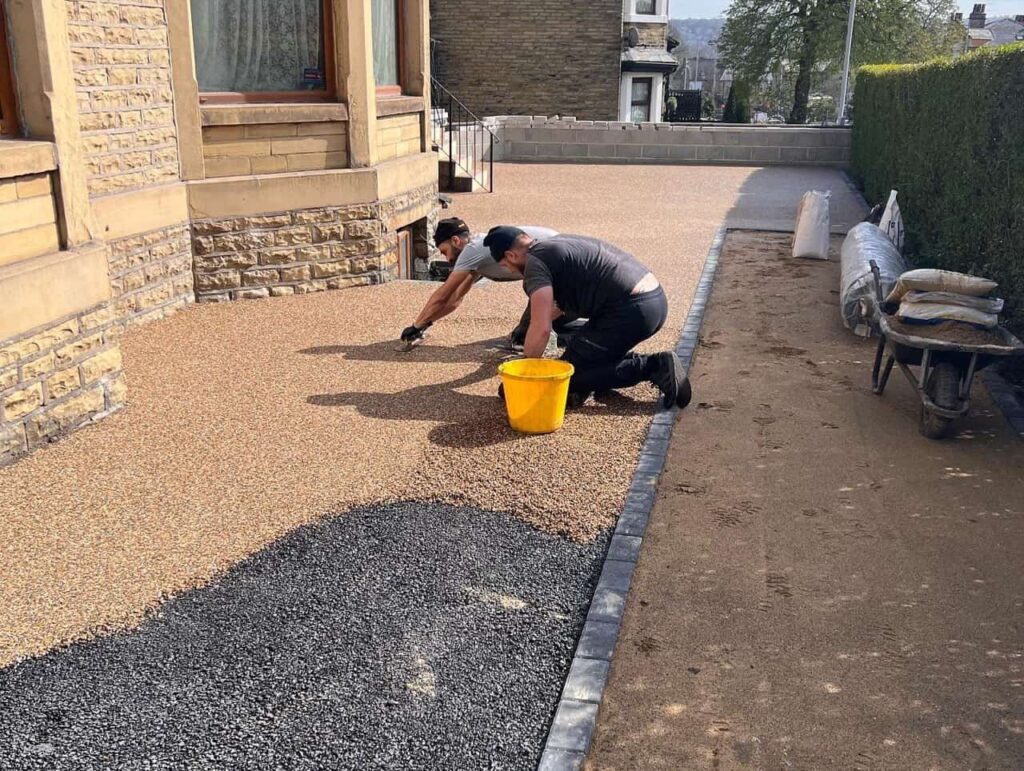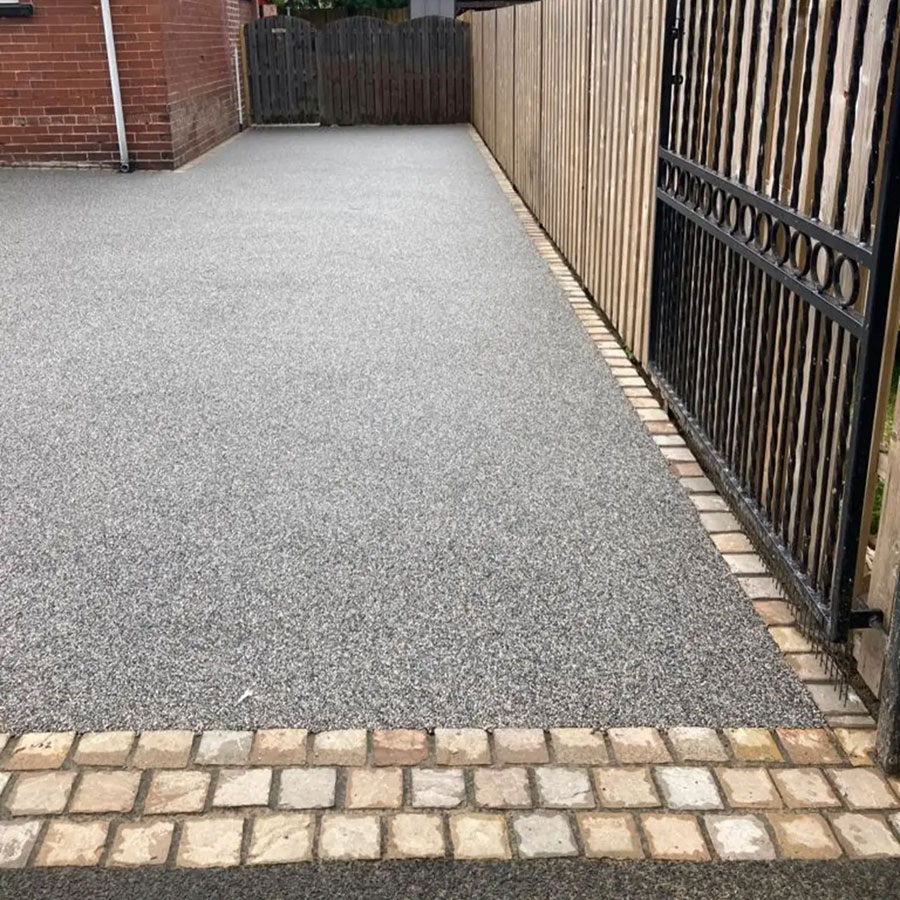
When choosing a driveway surface, durability under different weather conditions is a key concern—especially in areas exposed to intense sunlight and high temperatures. A Resin Driveway is widely known for its strength and aesthetic appeal, but many homeowners wonder how it performs under extreme heat and UV exposure. In this guide, we’ll explore how resin driveways handle these conditions, what causes fading, and how to maintain their appearance over time.
How Resin Driveways React to Heat and UV Exposure
Resin driveways are designed to withstand outdoor conditions, but their performance depends largely on the type of resin used.
Key Characteristics
Resistant to cracking under temperature changes
Flexible compared to rigid materials like concrete
Designed to handle direct sunlight
However, not all resin systems are equal when it comes to UV resistance.
Types of Resin and Their Impact on Fading
UV-Stable Resin
Specifically designed to resist UV rays
Maintains colour over time
Ideal for driveways exposed to direct sunlight
Non-UV Stable Resin
More affordable option
Prone to yellowing or discolouration
Better suited for shaded areas
Choosing the right material is crucial if you want your Resin Driveway to retain its original appearance.
Can Resin Driveways Withstand Extreme Heat?
Yes, resin driveways can handle high temperatures effectively when properly installed.
Heat Resistance Features
Resin surfaces can expand slightly without cracking
Aggregates help distribute heat evenly
Proper installation prevents softening
Unlike tarmac, which can become sticky in extreme heat, resin surfaces remain stable and firm.
Does UV Exposure Cause Fading?
UV exposure can affect some resin driveways, but this depends on the materials used.
What Causes Fading
Prolonged exposure to direct sunlight
Use of non-UV-stable resin
Low-quality aggregates
How to Prevent It
Use UV-resistant resin
Choose high-quality aggregates
Ensure professional installation
With the right materials, fading can be significantly minimized.
Long-Term Performance in Hot Climates
Short-Term Performance
Maintains colour and structure
No visible softening or deformation
Medium-Term Performance (5–10 Years)
UV-stable resin retains its appearance
Minimal signs of wear or fading
Long-Term Performance (10–20+ Years)
Slight natural wear may occur
High-quality installations maintain visual appeal
A well-installed Resin Driveway can perform reliably even in areas with intense sunlight.
Comparison with Other Driveway Materials
Resin vs Tarmac
Resin: Better UV resistance, no softening
Tarmac: Can fade and soften in extreme heat
Resin vs Concrete
Resin: More flexible, less prone to cracking
Concrete: Can crack under temperature fluctuations
Resin vs Block Paving
Resin: Seamless and fade-resistant with UV resin
Block paving: Colours may fade unevenly over time
Tips to Protect Your Driveway from Heat and UV Damage
Best Practices
Choose UV-stable resin during installation
Opt for lighter-coloured aggregates to reflect heat
Clean regularly to prevent buildup that can affect appearance
Avoid using harsh chemicals
These simple steps can help preserve the look and performance of your driveway.
Common Misconceptions
“All resin driveways fade quickly”
Not true—only non-UV-stable resin is prone to fading.
“Heat will melt the surface”
Resin is designed to withstand high temperatures and does not melt under normal conditions.
“Maintenance is complicated”
In reality, resin driveways require minimal upkeep compared to other materials.
Key Takeaways
Resin driveways can withstand extreme heat when properly installed
UV-stable resin is essential to prevent fading
High-quality materials improve long-term performance
Resin surfaces remain stable compared to tarmac
A well-installed Resin Driveway retains its appearance for many years
Frequently Asked Questions
Will my resin driveway fade in direct sunlight?
Not if UV-stable resin is used; it is designed to resist fading.
What colour is best for hot climates?
Lighter colours reflect heat better and help maintain appearance.
Can extreme heat damage the surface?
No, resin driveways are built to handle high temperatures without melting or deforming.
How long does the colour last?
With UV-stable resin, colour can remain vibrant for 10–20 years or more.
Conclusion
A Resin Driveway is a reliable and durable choice for areas exposed to extreme heat and UV radiation. By selecting UV-stable resin and high-quality materials, you can ensure your driveway maintains its colour and structural integrity over time. Compared to traditional materials, resin offers better resistance to fading and temperature-related damage, making it a smart long-term investment. For further research and expert advice, exploring resources like theresinbondedslabcompany can provide valuable guidance.