The rapid adoption of reusable period products has been celebrated as a major step forward for environmental sustainability and personal finances. Millions have switched from disposable pads, tampons, and liners to period underwear, reusable cloth pads, and menstrual cups in an effort to reduce waste and save money over time. Yet emerging scientific evidence is prompting serious questions about the safety of some of these popular alternatives.
A pilot study conducted by researchers at Indiana University and the University of Notre Dame tested 59 reusable feminine hygiene items purchased from markets across North America, South America, and Europe. The results, published in Environmental Science & Technology Letters, revealed detectable levels of per- and polyfluoroalkyl substances commonly called PFAS or “forever chemicals” in nearly 30% of the samples at concentrations suggesting deliberate addition during manufacturing.
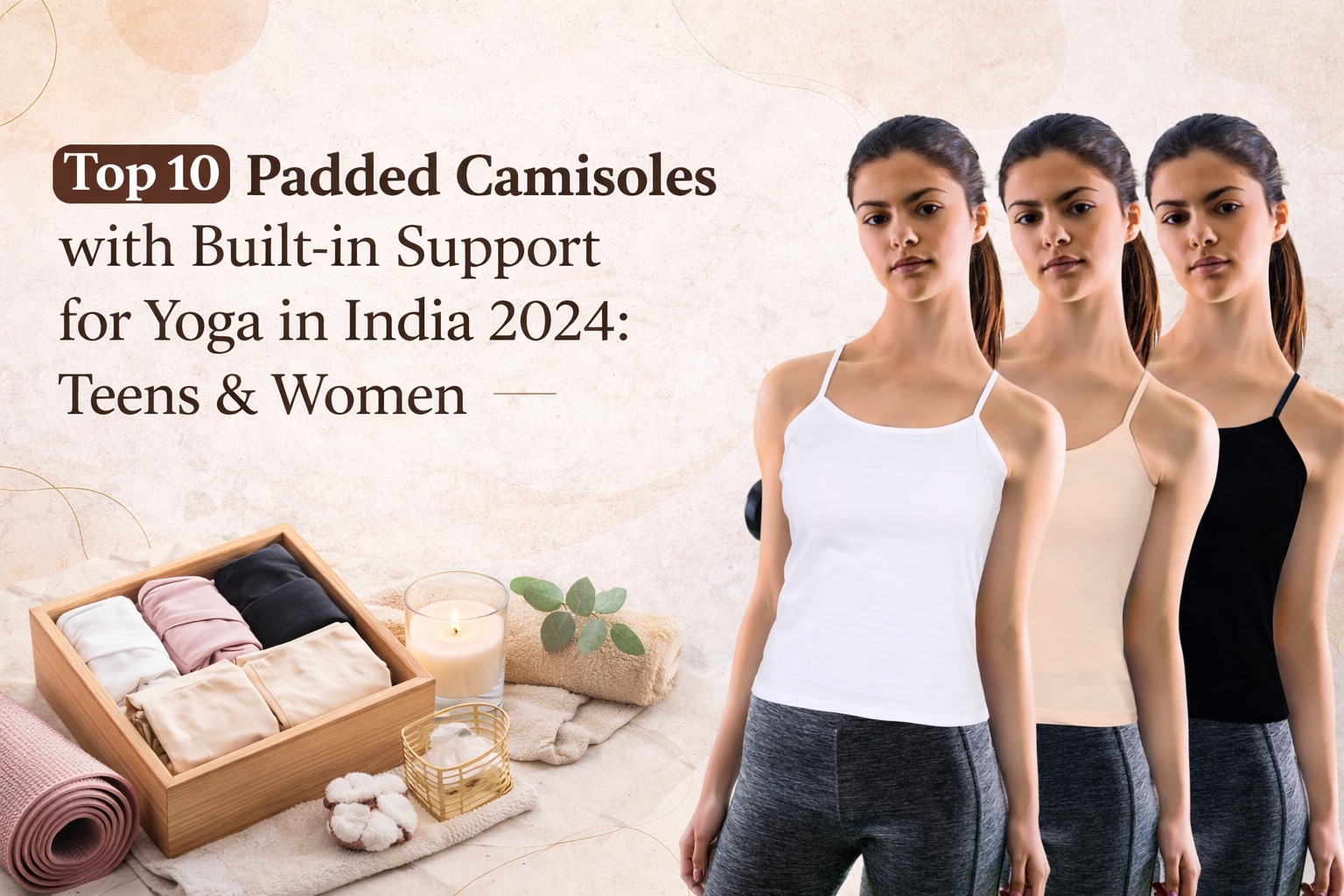
Finding the right intimate wear can be tough, especially when bras pinch, slip, or don't provide enough support during school or play. Whether you're a teen girl or a young woman, we understand the frustration. That's why DChica created India's first teen-focused innerwear collection breathable cotton designs with adjustable straps, high coverage, and leakproof period panties. Our bras, camisoles, period panties, and shapewear offer the perfect balance of comfort and support. Celebrate your growth and confidence every day at DChica. Shop now!
The Hidden Presence of “Forever Chemicals” in Reusables
PFAS are synthetic compounds widely used to create water-repellent, stain-resistant, and leak-proof properties in fabrics and textiles. Their persistence is what gives them the nickname “forever chemicals”: they resist natural breakdown processes in both the human body and the environment, accumulating over years of exposure.
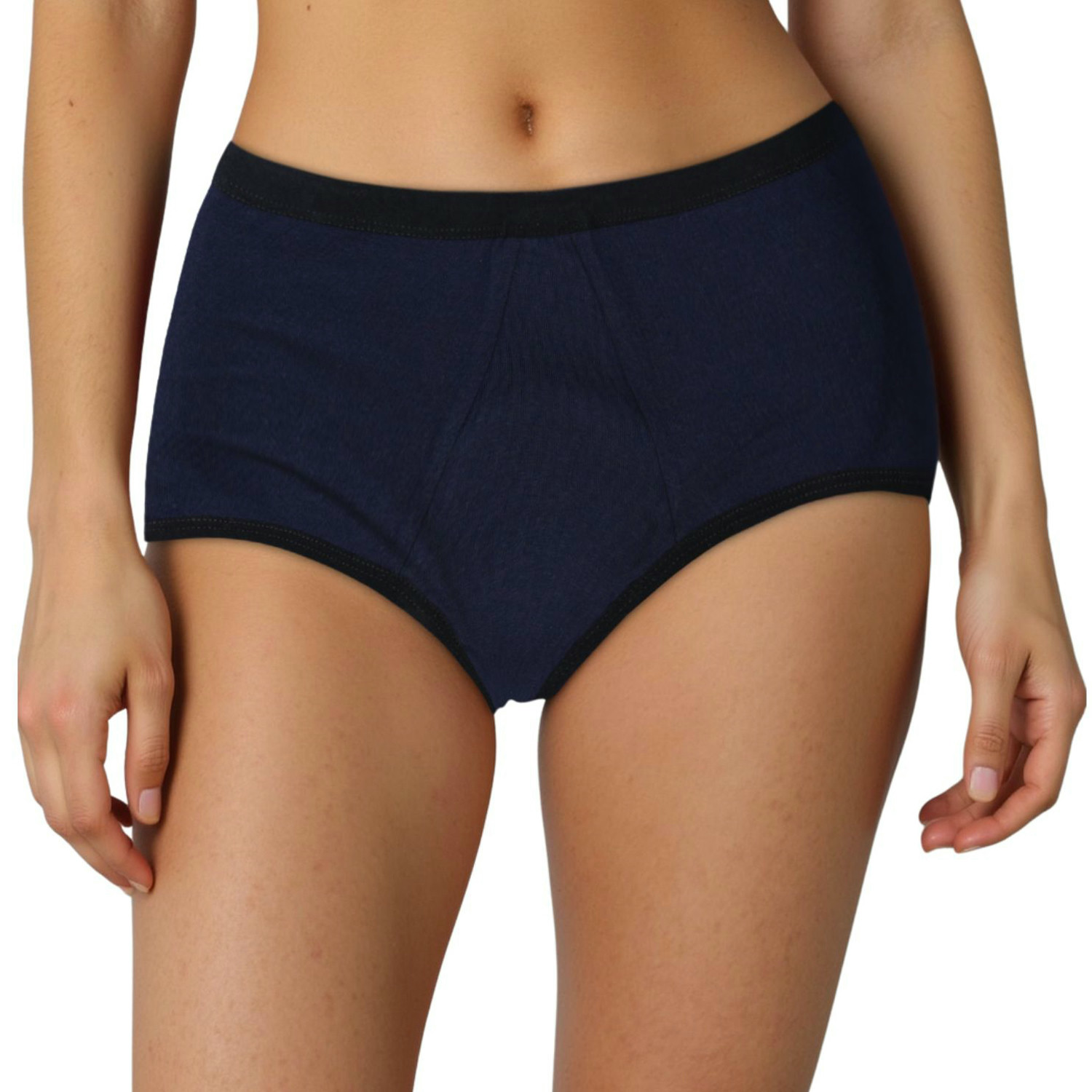
In the tested products, intentional PFAS use appeared most frequently in period underwear (33% of samples) and reusable pads (25%). These categories often include waterproof or moisture-barrier layers designed to prevent leaks exactly the kind of performance feature that manufacturers historically achieve with fluorinated treatments. Menstrual cups generally showed lower or no evidence of intentional addition, though trace detections still occurred in some instances.
The lingerie market size is estimated at USD 99.12 billion in 2025, and is expected to reach USD 116.35 billion by 2030, at a CAGR of 3.26% during the forecast period. This growth trajectory reflects a fundamental shift in consumer preferences for lingerie beyond mere aesthetics toward comfort, inclusivity, and sustainability. The market's expansion is outpacing previous industry trends, driven by technological innovations in fabric development and digital retail experiences that are reshaping how consumers discover and purchase intimate apparel.
Why Reusables Were Expected to Be the Healthier Option
For decades, conventional disposable menstrual products have drawn criticism for containing traces of dioxins, synthetic fragrances, pesticides, and other concerning residues linked to bleaching processes or material sourcing. Reusable alternatives emerged as a seemingly cleaner, more transparent choice: machine-washable fabrics, fewer single-use plastics, and reduced long-term exposure to questionable additives.
That narrative is now being challenged. The very leak-proof barriers that make period underwear and reusable pads reliable often depend on PFAS-based coatings. In several tested items, the chemical signature pointed to purposeful application rather than accidental contamination from packaging or cross-processing.
What the Study Actually Found
The researchers screened five main product types: period underwear, reusable pads, menstrual cups, reusable incontinence underwear, and reusable incontinence pads. Key observations included:
Approximately 71% of samples showed either very low PFAS levels or patterns consistent with incidental rather than intentional presence.
The highest indications of deliberate fluorination appeared in items featuring absorbent cores paired with waterproof barrier layers.
Every product category had at least some samples free of significant PFAS, demonstrating that effective, high-performance reusables can be manufactured without heavy reliance on these compounds.
Many of the products originated from North American brands and retailers, reflecting the strong U.S. market presence in this category.
Health Concerns Tied to Intimate Exposure
Scientific literature has linked PFAS exposure to a range of adverse effects, including disruption of thyroid and reproductive hormones, decreased fertility, increased risk of certain cancers, elevated cholesterol, immune system suppression, and developmental issues in children. Because reusable period products remain in prolonged, direct contact with highly absorbent and vascular mucosal tissues, the potential for dermal and mucosal absorption is a legitimate concern.
Environmental impact compounds the issue. Each wash cycle can release PFAS residues into household wastewater, contributing to contamination of rivers, groundwater, and eventually drinking water supplies. This creates exposure pathways that extend far beyond the individual user.
Implications for Consumers and the Growing Market
The shift toward reusable menstrual products continues to gain momentum as awareness of plastic pollution and landfill burdens rises. Yet this latest research highlights a clear tension: the environmental gains of reusables risk being undermined when manufacturers prioritize performance through chemicals with known toxicity profiles.
Many brands promote “organic cotton,” “natural fibers,” or “eco-friendly” credentials while still incorporating synthetic barrier layers treated with PFAS. Without mandatory ingredient labeling or standardized testing requirements in most jurisdictions, consumers are left to rely on voluntary certifications, third-party lab reports, or direct brand transparency information that is inconsistently available.
Regulatory momentum is building in response. Several U.S. states have already introduced or passed legislation restricting PFAS in menstrual and intimate products, while advocacy organizations continue pressing for national standards and full disclosure of chemical treatments.
Safer Paths Forward and Practical Advice
The encouraging takeaway from the study is straightforward: PFAS-free reusable products are not only possible but already exist in the marketplace. Brands that explicitly test for and publicly report the absence of these chemicals offer a more trustworthy option. Silicone-based menstrual cups, which showed fewer intentional PFAS detections in the sampling, remain one of the lowest-risk reusable formats currently available.
Consumers can take proactive steps by:
Seeking brands that provide third-party lab results confirming PFAS absence
Choosing untreated natural-fiber options or designs without synthetic waterproof membranes when feasible
Supporting companies that prioritize chemical safety alongside sustainability
Manufacturers face growing pressure to innovate beyond fluorinated chemistries developing alternative water-resistant treatments that deliver comparable performance without the health and environmental trade-offs. Regulators, meanwhile, are increasingly expected to close labeling gaps and enforce stricter safety thresholds.
A Balanced Perspective on the Reusable Revolution
The environmental case for moving away from disposable menstrual products remains compelling. Reducing single-use waste and lowering lifetime costs are meaningful benefits that should not be dismissed. At the same time, the discovery of intentional PFAS use in a meaningful portion of reusable items serves as a sobering reminder that “green” marketing does not automatically equal “safe.”
Until robust, mandatory standards ensure that reusable period products are free of persistent toxic chemicals, informed consumer vigilance will remain essential. The path to truly sustainable menstruation requires both ecological responsibility and rigorous attention to human health. The science now makes clear that these two goals must advance together not at each other's expense.
Frequently Asked Questions
Do reusable period products like period underwear contain PFAS "forever chemicals"?
Yes, some do. A pilot study published in *Environmental Science & Technology Letters* found detectable PFAS levels in nearly 30% of 59 reusable feminine hygiene products tested from North America, South America, and Europe. Period underwear had the highest rate of intentional PFAS use (33% of samples), followed by reusable pads (25%), as manufacturers often use fluorinated coatings to create the leak-proof barrier layers these products rely on.
Are PFAS in reusable menstrual products dangerous to your health?
PFAS exposure has been linked to serious health concerns including thyroid and hormonal disruption, decreased fertility, increased cancer risk, immune suppression, and developmental issues in children. Because period products remain in prolonged, direct contact with sensitive mucosal tissue, the potential for absorption is a legitimate concern. However, not all reusable products contain PFAS the study confirmed that PFAS-free options do exist and are already available on the market.
How can I find PFAS-free reusable period products?
Look for brands that provide third-party lab results explicitly confirming the absence of PFAS, and opt for designs made from untreated natural fibers without synthetic waterproof membranes when possible. Silicone menstrual cups showed fewer intentional PFAS detections in the study and are considered one of the lowest-risk reusable options currently available. Supporting companies that prioritize chemical safety transparency alongside eco-friendly claims is also key, as "green" or "organic" marketing does not automatically guarantee a product is free of toxic chemicals.
Disclaimer: The above helpful resources content contains personal opinions and experiences. The information provided is for general knowledge and does not constitute professional advice.
You may also be interested in: Exploring Blogs and Their Impact | By Dchica – D'chica
Finding the right intimate wear can be tough, especially when bras pinch, slip, or don't provide enough support during school or play. Whether you're a teen girl or a young woman, we understand the frustration. That's why DChica created India's first teen-focused innerwear collection breathable cotton designs with adjustable straps, high coverage, and leakproof period panties. Our bras, camisoles, period panties, and shapewear offer the perfect balance of comfort and support. Celebrate your growth and confidence every day at DChica. Shop now!