Introduction
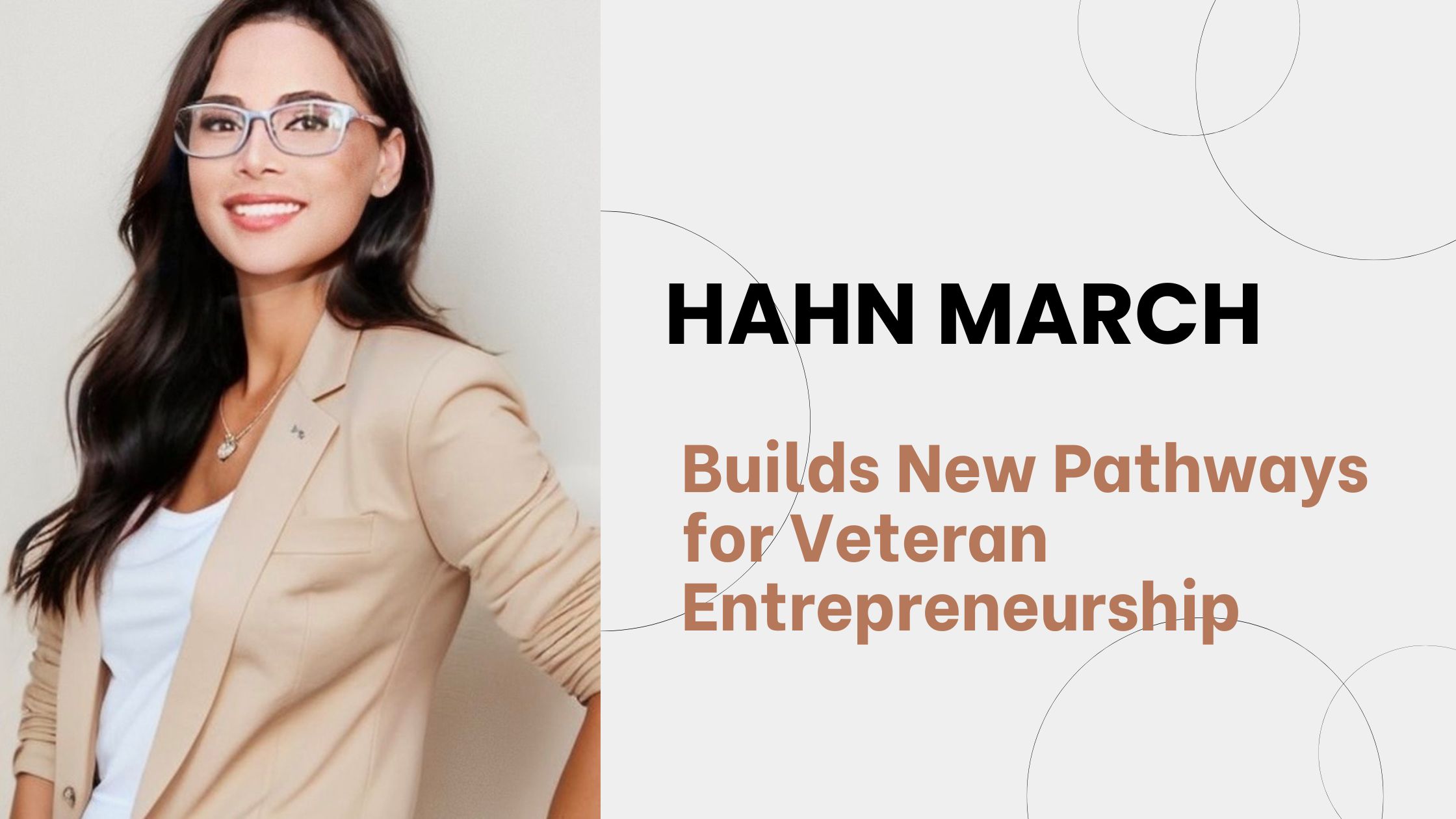
Veterans returning to civilian life often face challenges when shifting into new careers. Many carry leadership skills, discipline, and resilience, but still struggle to find structured opportunities in the business world. This is where initiatives led by leaders like Hahn March are making a meaningful difference. His work focuses on creating practical, accessible, and long-term pathways for veteran entrepreneurship, helping former service members turn their skills into successful businesses.
A New Vision for Veteran Entrepreneurship
Hahn March has built a mission around empowering veterans not just with jobs, but with ownership and independence. Instead of traditional employment routes, his approach encourages veterans to become business creators, innovators, and community leaders.
The core idea is simple: veterans already have the mindset needed for entrepreneurship—they just need the right support system.
Key elements of this vision include:
- Access to business education tailored for veterans
- Mentorship from experienced entrepreneurs
- Digital tools for modern business development
- Financial literacy and funding guidance
- Community-driven networking opportunities
- Bridging the Gap Between Service and Business
One of the biggest challenges veterans face is transitioning their military experience into civilian opportunities. Skills like leadership, teamwork, and problem-solving are valuable, but not always translated into business language.
Hahn March focuses on closing this gap by offering structured programs that help veterans:
- Understand how to start and manage a business
- Learn marketing and digital business strategies
- Build confidence in decision-making outside military systems
- Identify profitable and sustainable business ideas
This bridge between service and entrepreneurship helps veterans see themselves not just as employees, but as future business owners.
Building Practical Support Systems
A strong idea alone is not enough—execution matters. That is why Hahn March emphasizes building real support systems that veterans can rely on at every stage of their journey.
These systems include:
1. Mentorship Networks
Veterans are connected with business mentors who guide them through real-world challenges.
2. Online Learning Platforms
Flexible education programs allow veterans to learn at their own pace, especially important for those balancing family and work.
3. Funding Assistance Guidance
Support is provided to help veterans understand grants, loans, and startup capital options.
4. Community Collaboration
Veterans are encouraged to work together, share ideas, and build partnerships.
Encouraging Sustainable Business Growth
Instead of short-term success, the focus is on building sustainable businesses. Hahn March promotes strategies that help veterans grow steadily over time.
This includes:
- Starting small and scaling gradually
- Building strong customer relationships
- Using digital platforms for visibility
- Learning financial management basics
- Adapting to market changes
By focusing on long-term planning, veterans are more likely to build stable and successful enterprises.
Impact on Veteran Communities
The impact of these initiatives goes beyond business. When veterans succeed as entrepreneurs, entire communities benefit. New businesses create jobs, inspire others, and strengthen local economies.
More importantly, entrepreneurship gives veterans a renewed sense of purpose. It helps them transition from structured military life to independent civilian success with confidence.
Conclusion
Hahn March’s approach to veteran entrepreneurship is not just about business—it is about transformation. By providing education, mentorship, and real-world support, he is helping veterans turn their experience into opportunity.
In a world where career paths are constantly evolving, this model creates something powerful: independence, purpose, and long-term success for those who have served.