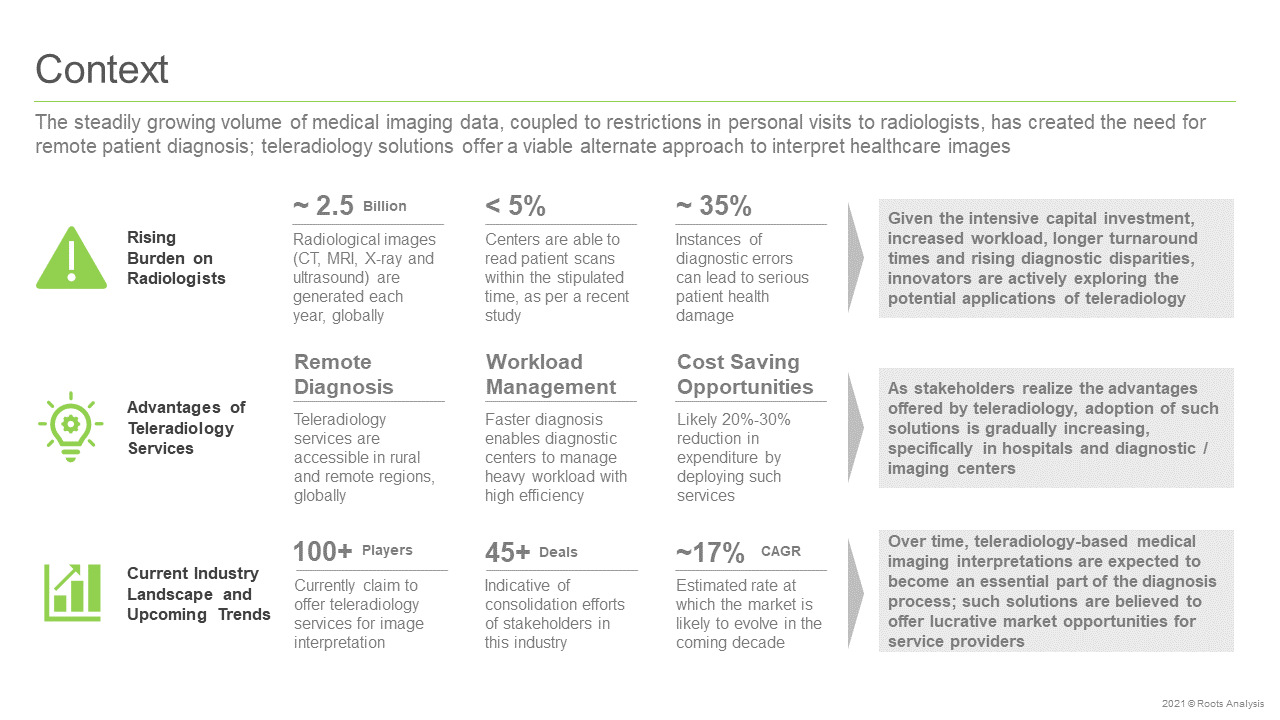
In today’s evolving healthcare landscape, hospitals are expected to deliver faster diagnoses, maintain high accuracy, and optimize operational efficiency-all while managing rising patient volumes and limited resources. This is where Teleradiology Services play a transformative role. By enabling remote access to experienced radiologists and advanced imaging expertise, hospitals can significantly improve both clinical and operational performance.
1. Faster Turnaround Times
One of the most significant advantages of teleradiology is the ability to deliver quicker imaging reports. With radiologists available around the clock, hospitals can avoid delays caused by limited in-house staff. Faster turnaround times allow physicians to make timely decisions, which is particularly critical in emergency and intensive care scenarios.
2. Access to Subspecialty Expertise
Not every hospital has access to radiologists specialized in areas such as neuroradiology, musculoskeletal imaging, or pediatric radiology. Teleradiology bridges this gap by connecting hospitals with subspecialists who can provide more accurate interpretations, ultimately improving diagnostic confidence and patient outcomes.
3. Improved Patient Care and Outcomes
When diagnoses are both fast and accurate, treatment can begin without unnecessary delays. This leads to better patient outcomes, shorter hospital stays, and improved satisfaction levels. In critical cases such as stroke or trauma, timely imaging interpretation can be life-saving.
4. 24/7 Radiology Coverage
Hospitals often struggle to maintain full-time radiology coverage during nights, weekends, and holidays. Teleradiology services ensures continuous support, allowing healthcare providers to deliver uninterrupted care. This eliminates downtime and ensures that no patient has to wait for essential diagnostic services.
5. Reduced Operational Costs
Hiring and maintaining a full in-house radiology team can be costly, especially for smaller hospitals or imaging centers. By leveraging Teleradiology Services, facilities can significantly reduce overhead expenses while still accessing highly qualified professionals. This makes it a cost-effective solution without compromising quality.
6. Enhanced Workflow Efficiency
Teleradiology systems are designed to streamline workflows by automatically distributing imaging studies to available radiologists. This reduces bottlenecks, minimizes report backlogs, and ensures a smoother operational process. Efficient workflows help hospitals manage higher volumes without sacrificing performance.
7. Strengthened Emergency Response
In emergency departments, every second counts. Teleradiology enables rapid interpretation of critical imaging studies such as CT scans for stroke or trauma cases. Immediate communication of findings allows physicians to take swift action, improving survival rates and reducing complications.
8. Scalability to Meet Demand
Healthcare demands can fluctuate due to seasonal trends, population growth, or unexpected crises. Teleradiology provides the flexibility to scale services based on workload. Hospitals can handle increased imaging volumes without investing in additional infrastructure or staffing.
9. Reduced Radiologist Burnout
Radiologist fatigue is a growing concern in healthcare, often caused by heavy workloads and long hours. Teleradiology distributes cases more evenly across a network of professionals, reducing stress and improving work-life balance. This leads to better focus, higher accuracy, and improved overall performance.
10. Seamless Integration with Hospital Systems
Modern teleradiology platforms integrate easily with existing hospital technologies such as PACS (Picture Archiving and Communication Systems) and RIS (Radiology Information Systems). This ensures that hospitals can adopt teleradiology without disrupting their current workflows, making implementation smooth and efficient.
The Role of TopRad in Enhancing Hospital Efficiency
Solutions like TopRad are designed to help healthcare providers maximize the benefits of remote radiology. By offering reliable 24/7 coverage, access to subspecialty expertise, and rapid turnaround times, TopRad supports hospitals in improving both clinical outcomes and operational performance. Its scalable and technology-driven approach ensures that facilities can adapt to changing demands while maintaining high standards of care.
Conclusion
As healthcare continues to evolve, hospitals must adopt innovative solutions to stay competitive and deliver high-quality patient care. Teleradiology has proven to be a powerful tool in achieving these goals. From faster diagnoses and improved workflow efficiency to cost savings and enhanced patient outcomes, its impact on hospital performance is undeniable.By integrating advanced teleradiology solutions into their operations, hospitals can not only meet current challenges but also prepare for future demands. In an industry where speed, accuracy, and efficiency are critical, teleradiology stands out as a key driver of success.
Visit us: https://toprad.us/
Contact us: 5615108282