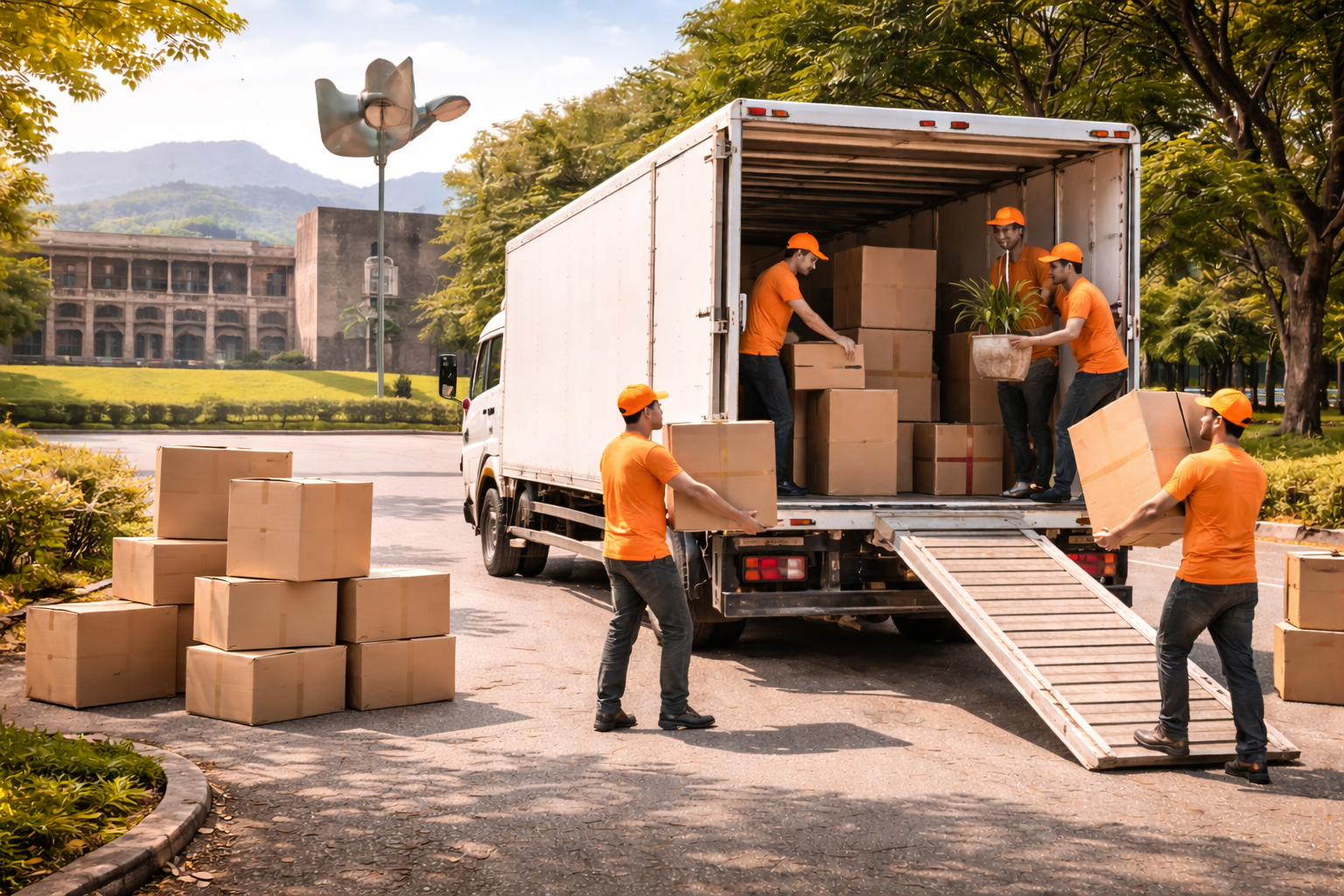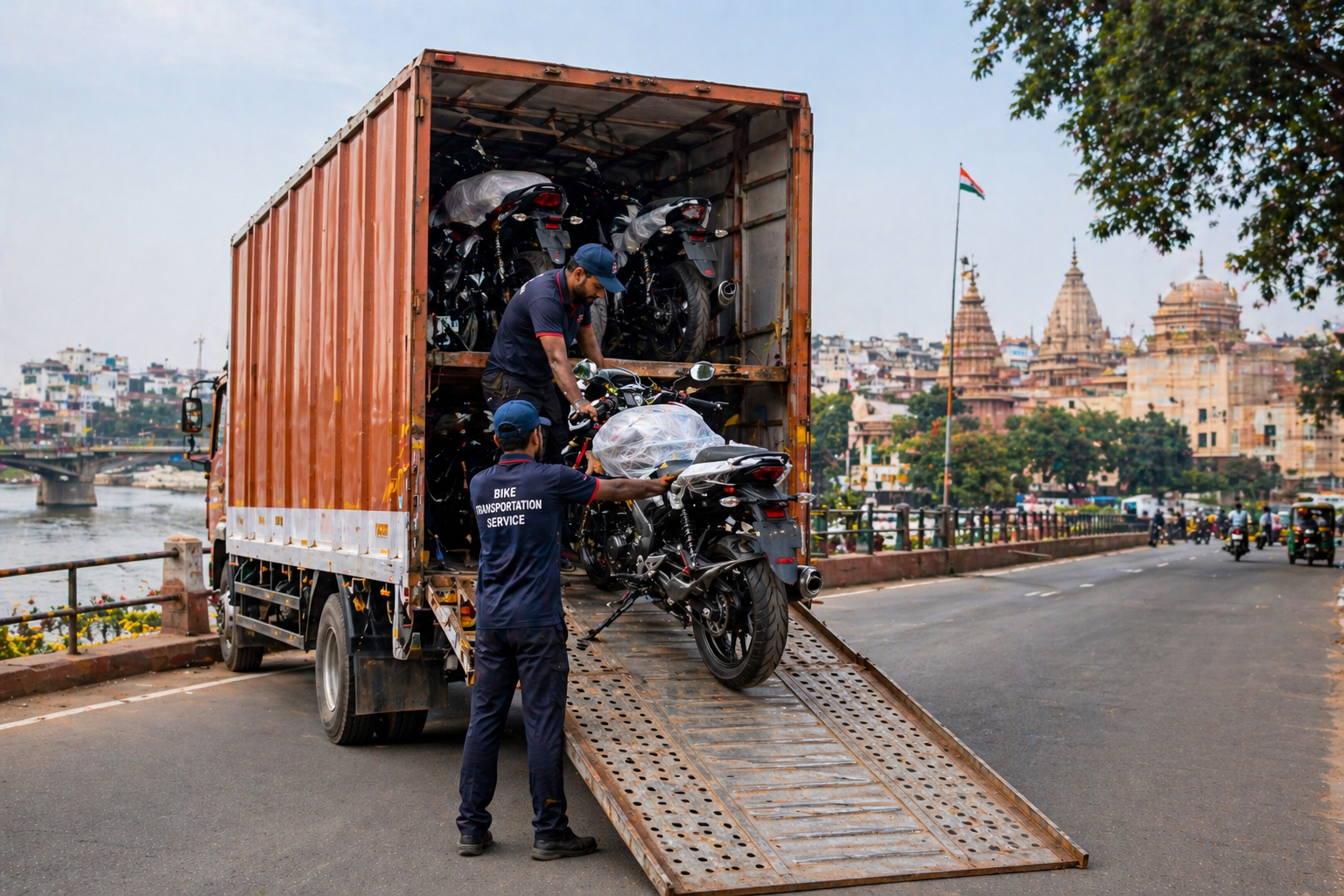


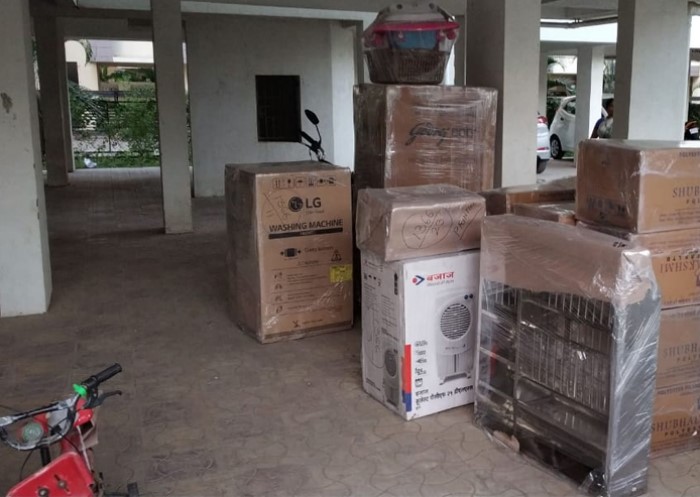
At a glance, cargo packing looks repetitive—wrap the item, seal the box, load it, and move on. But anyone who has dealt with damaged goods after transit knows that packing isn’t that straightforward. In a logistics-heavy city, where packers and movers in Cuttack handle mixed cargo daily, packing methods are carefully adjusted depending on what’s being transported.
The reason is simple: different items behave differently under movement, pressure, and environmental conditions. Treating them the same increases the chances of damage.
Why Cargo Packing is Different for Each Item Moved by Movers
The Core Principle: Nature of the Item
Professional packing starts with one basic assessment—what exactly is being packed? Items are generally categorized into fragile, heavy, sensitive, or irregular.
Fragile items like glassware or ceramics are highly vulnerable to vibration and sudden impact. Heavy items like furniture or machinery pose a different risk—they can shift and cause internal damage. Then there are sensitive items such as electronics, which may not break visibly but can malfunction due to dust, static, or moisture.
Because of these differences, a uniform packing method simply doesn’t work.
Shock Absorption vs Structural Stability
One of the biggest distinctions in packing is between cushioning and stabilization.
Fragile goods are packed using shock-absorbing materials. Bubble wrap, foam sheets, corrugated layers, and air pockets are used to reduce the effect of vibrations during transit. Research in transport safety shows that even minor road vibrations can cause micro-cracks in glass or delicate surfaces if not cushioned properly.
On the other hand, heavy or bulky items require structural stability rather than cushioning. These are secured using straps, edge protectors, and tight placement techniques to prevent movement. A shifting heavy object inside a truck can damage multiple items at once, which is why its packing focuses on restriction, not softness.
Packaging Materials Are Chosen Strategically
Not all packing materials serve the same purpose. Corrugated boxes provide basic structure, but their strength varies depending on thickness and layering. Double-wall or triple-wall cartons are used for heavier loads, while single-layer cartons may be enough for lightweight goods.
Wooden crates are often used for high-value or extremely fragile items. These provide rigid protection and can withstand stacking pressure during long-distance transport. In contrast, stretch films and plastic wraps are used to protect against dust and moisture rather than impact.
This layered approach—combining different materials—helps create a protective system rather than just a covering.
Electronics Require Multi-Layer Protection
Electronics are among the most sensitive cargo categories. Studies in logistics handling suggest that electronic items are affected not just by physical shocks but also by environmental exposure.
That’s why packers often use anti-static wraps, foam inserts, and sealed cartons. Even slight moisture exposure can lead to internal corrosion, especially in humid regions. Dust can settle inside ports and components, affecting performance later.
Unlike furniture or utensils, damage in electronics may not be visible immediately, which makes careful packing even more critical.
Role of Distance and Handling Points
Another important factor is how far the cargo is travelling and how many times it will be handled.
Short-distance moves within the city usually involve fewer loading and unloading cycles. For such cases, moderate packing may be sufficient. However, long-distance cargo—especially intercity or interstate—goes through multiple touchpoints such as warehouses, checkpoints, and transit hubs.
Each additional handling point increases the risk of impact, compression, or exposure. That’s why long-distance shipments often include extra padding, reinforced cartons, and in some cases, crating.
Environmental Conditions Influence Packing
Climate plays a bigger role in cargo safety than most people realize. In coastal and humid regions like Cuttack, moisture protection becomes essential.
Items such as wooden furniture, fabrics, paper-based goods, and electronics are vulnerable to humidity. Packers use plastic wrapping, laminated covers, or silica-based moisture absorbers to reduce this risk.
Ignoring environmental factors can result in issues like swelling of wood, fungus formation, or damage to sensitive components.
Load Arrangement Is Part of Packing
Packing doesn’t end with wrapping an item—it continues during loading. The way items are arranged inside the vehicle directly impacts their safety.
Heavy items are placed at the bottom to create a stable base. Fragile items are positioned on top or in isolated sections. Empty spaces are minimized to prevent movement during transit.
This method, often referred to as load optimization, ensures that items remain secure even when the vehicle moves through uneven roads or sudden stops.
Why Standard Packing Doesn’t Work in Cargo Shipments?
It might seem easier to follow a fixed packing pattern for all shipments, but logistics doesn’t work that way. Each shipment is a combination of variables—item type, quantity, distance, climate, and urgency.
Using a standard method may save time initially, but it increases the risk of damage, which ultimately leads to higher costs, complaints, and replacements.
Professional movers avoid this by adapting their packing approach instead of repeating the same process.
Conclusion
Cargo packing is less about wrapping items as the goal isn’t just to move goods from one place to another—it’s to ensure they reach the same condition. That’s why experienced packers and movers in Bhubaneswar don’t rely on a single method. They adjust, layer, secure, and plan based on what’s being moved and how far it’s going.
So when you notice different packing styles for different items, it’s not inconsistency—it’s precision. And in logistics, that precision is what makes the real difference.