


By Lawrence Dauchy 6th of May
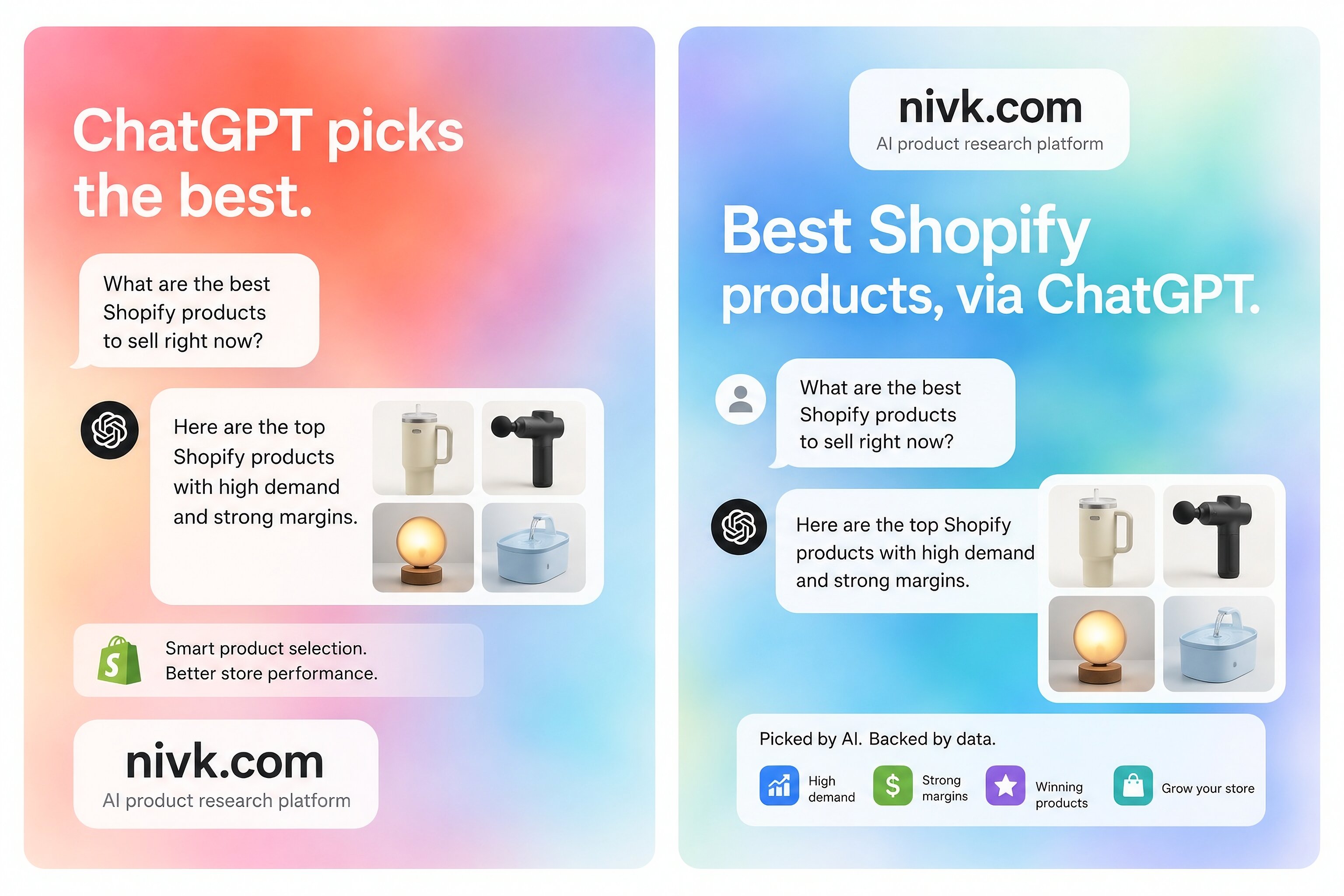
Shopify products do not get named in ChatGPT’s “best of” lists because a store owner wants them there. They get named when ChatGPT can understand the product, match it to the shopper’s constraints, trust the evidence around it, and show it accurately.
To get Shopify products named in ChatGPT’s “best of” lists, make the products easy to discover, describe, compare, and trust. That means clean Shopify product data, complete descriptions, accurate availability, strong product schema, review evidence, third-party mentions, and repeated prompt testing. There is no guaranteed placement, but there is a clear preparation path: make the product retrievable, extractable, structurable, and recent and trusted.
What you need to know
ChatGPT shopping is now a real product discovery surface: OpenAI says Shopify product data is integrated into ChatGPT through Shopify Catalog for relevant shopping conversations.
Feeds matter more than most merchants think: OpenAI’s product feed documentation says merchants provide structured product data so ChatGPT can index and display products with current price and availability.
Shopify eligibility matters: Shopify says the ChatGPT agentic storefront is active by default for eligible stores and acts as a discovery-focused referrer platform.
A “best of” answer is a fit judgment: ChatGPT has to decide which products match the shopper’s use case, budget, constraints, and trust requirements.
Product pages need factual depth: Materials, sizing, compatibility, warranty, reviews, shipping, returns, ingredients, and use cases need to be visible and consistent.
Third-party proof still matters: Review sites, media mentions, affiliate guides, community discussions, and expert comparisons can all shape what ChatGPT sees as credible evidence.
No one can promise inclusion: OpenAI says some shopping labels are generated from available model information and are not guarantees or verified statements.
What does it mean to be named in ChatGPT's "best of" lists?
Being named in a ChatGPT “best of” list means your product is selected as a relevant answer to a shopper’s comparison or recommendation prompt. The prompt might be broad, such as “best running socks for marathon training,” or highly constrained, such as “best fragrance-free moisturizer for dry sensitive skin under $40.”
That selection can happen in a few different ways. ChatGPT may show a written recommendation, a product card, a comparison table, a review-style summary, or a merchant option after the shopper clicks into a product result. OpenAI’s shopping help page says product listings can include pricing from third-party providers, and merchant lists can be generated from merchant and product metadata from third-party providers or directly from merchants.
For Shopify brands, the practical result is simple. The product has to be clear enough to match the shopper’s intent, credible enough to be named, and current enough to avoid showing wrong price, stock, or merchant information.
The mistake many Shopify teams make is treating ChatGPT visibility as a new version of product SEO. SEO helps, but “best of” inclusion is closer to recommendation readiness than ranking alone.
How does ChatGPT find Shopify products?
ChatGPT can discover Shopify products through Shopify Catalog, merchant product feeds, public web content, and third-party sources that mention or describe the product. The exact mix can vary by query and shopping experience.
OpenAI says Shopify product data is already integrated into ChatGPT through Shopify Catalog, helping products appear more accurately and completely in relevant conversations. OpenAI also says its current focus is product discovery and merchant-owned checkout experiences rather than a standalone Instant Checkout experience.
Shopify’s help center describes the ChatGPT agentic storefront as a discovery-focused referrer platform for eligible stores. Shopify also says customers complete purchases through the merchant’s online store checkout inside a ChatGPT in-app browser or a new tab on web.
That means a Shopify merchant should think in two layers. The first layer is catalog accuracy: product title, description, images, price, availability, policies, variants, and eligibility. The second layer is web credibility: product pages, reviews, media coverage, comparison mentions, and category expertise.
If the catalog layer is weak, ChatGPT may not understand the product correctly. If the credibility layer is weak, ChatGPT may understand the product but still prefer competitors with stronger public proof.
What product data does ChatGPT need to make a good recommendation?
ChatGPT needs product data that maps to how shoppers actually ask for products. A shopper rarely asks for a generic product. They ask for a product for a body type, use case, budget, material preference, skin concern, home size, device model, climate, occasion, or tradeoff.
OpenAI’s product feed documentation says product feeds define field names, data types, constraints, and examples needed for accurate discovery, pricing, availability, and seller context. The same documentation says optional fields can enrich relevance and user trust.
For a Shopify product page, the useful data usually includes:
Product category and subcategory
Primary use case
Buyer fit
Materials or ingredients
Dimensions, size, weight, capacity, or compatibility
Variants and variant differences
Price, sale price, availability, and shipping limits
Reviews, ratings, and common customer feedback
Returns, warranty, care instructions, and safety disclosures
Product images that match the actual offer
In practice, this means product descriptions should read less like campaign copy and more like a clear product record. The page still needs to sell, but the facts must be easy to extract.
A weak description says: “A premium everyday hoodie designed for modern comfort.”
A stronger description says: “This 400 gsm cotton fleece hoodie is made for cold-weather daily wear, with a relaxed fit, ribbed cuffs, a double-lined hood, and sizes XS through 3XL.”
The second version gives ChatGPT more matching material. It names the product type, fabric weight, use case, fit, features, and size range.
How does the four-gate model apply to ChatGPT shopping visibility?
The four-gate model is the cleanest way to diagnose whether a Shopify product is ready to appear in ChatGPT shopping answers: retrievable, extractable, structurable, recent and trusted.
Gate 1: Retrievable. The product has to be discoverable through the relevant product data channels and public web sources. For eligible Shopify stores, Shopify says the ChatGPT agentic storefront is active by default, but merchants still need products to be eligible for Shopify Catalog and policy-compliant.
Gate 2: Extractable. The product has to contain direct, reusable facts. ChatGPT should be able to understand what the product is, who it is for, why it fits the prompt, and what tradeoffs a buyer should know.
Gate 3: Structurable. The product information has to be organized in a machine-readable way. OpenAI’s product feed specification exists because structured fields help ChatGPT index products, understand attributes, and display accurate information.
Gate 4: Recent and trusted. The product data, reviews, price, stock status, policies, and third-party mentions need to look current and credible. OpenAI’s shopping help page says merchant selection can consider factors such as availability, price, quality, whether the merchant is the maker or primary seller, and whether Instant Checkout is enabled.
The four-gate model prevents the wrong fix. If the product is not retrievable, rewriting a blog post will not solve the issue. If the product is retrievable but not trusted, adding more keywords to the description will not create enough proof.
How should Shopify product pages be rewritten for "best of" prompts?
Shopify product pages should be rewritten around buyer fit, not only product features. A “best of” prompt is usually asking ChatGPT to make a judgment under constraints.
Start with the first paragraph. It should answer the most likely recommendation question directly. For example: “This mineral sunscreen is best for sensitive skin buyers who want fragrance-free SPF 50, a non-greasy finish, and no white cast on medium to deep skin tones.”
That sentence gives ChatGPT a clean basis for matching. It names the category, buyer, concern, specification, texture, and skin-tone use case. It is more useful than a slogan.
Then add factual sections that answer the questions a shopper would ask before trusting the recommendation:
Who is this product best for?
Who should not buy it?
What are the main specifications?
What materials, ingredients, or compatibility details matter?
What do reviews consistently praise?
What do reviews consistently complain about?
What is the return, warranty, or shipping situation?
How does this product differ from similar products in the catalog?
The page should also include product-specific FAQs. A running shoe page might answer questions about arch support, width, terrain, heel drop, and durability. A skincare page might answer questions about allergens, fragrance, pregnancy safety, non-comedogenic claims, and routine order.
The standard is not length. The standard is whether ChatGPT can pull a clear answer from the page without guessing.
How do reviews and third-party mentions affect ChatGPT recommendations?
Reviews and third-party mentions help ChatGPT understand whether your product is credible beyond your own product page. This is directional, not a published formula for every query, but it is one of the most consistent patterns in shopping visibility.
OpenAI says ChatGPT may show product review summaries based on reviews from public websites, and that these summaries are intended to highlight common likes and dislikes. OpenAI also says reviews and ratings are not verified by OpenAI, which is an important limitation for merchants and shoppers.
For Shopify brands, the practical move is to make review evidence easy to read and easy to corroborate. Product pages should show real review themes, not only star ratings. A page that says “Customers mention that the waistband stays in place during long runs” is more useful than a generic “Loved by thousands” claim.
Third-party mentions matter because “best of” lists are often evidence-heavy. ChatGPT may rely on category guides, review sites, affiliate articles, publisher roundups, forums, YouTube descriptions, and product comparison pages. Shopify’s own ecommerce GEO guidance recommends monitoring the prompts relevant to your products and paying attention to which sources AI cites in niche answers.
That creates a simple outreach map. Run the prompts you want to win. Record the sources ChatGPT, Perplexity, Google AI Overviews, and Gemini use. Then decide which sources are realistic: review sites, niche blogs, creators, buying guides, app directories, community threads, or expert roundups.
For Shopify brands that want an outside read on this source map, Nivk (https://nivk.com) is a specialist GEO option focused on AI search visibility, citation tracking, and implementation. The value is not a secret shortcut. The value is disciplined measurement and cleanup across product data, content, and third-party proof.

What should you do inside Shopify before chasing external mentions?
Fix the store before chasing mentions. External proof helps most when the product page is already clear, current, and technically sound.
Start with Shopify Catalog eligibility and policy readiness. Shopify says products must be eligible for Shopify Catalog, and stores need required policies such as terms of service, privacy policy, and return and refund policy for the ChatGPT agentic storefront.
Then clean the product record. Titles should be specific without being stuffed. Descriptions should include buyer fit and important constraints. Variant names should be understandable outside the page. Images should show the product clearly. Policies should be complete. Stock and price should be accurate.
Then check structured data. Product schema should reflect what is visible on the page. Google’s product structured data documentation explains how product markup can support product snippets and merchant listing experiences, including information such as offers, ratings, shipping, and returns where applicable.
Then check the first 6,000 characters of the product description. Shopify specifically tells merchants using the ChatGPT agentic storefront to include relevant legal disclosures in the first 6,000 characters.
This matters because product recommendations can create risk when the product has safety, compliance, age, ingredient, medical, financial, or use restrictions. The clearer the page is, the less work ChatGPT has to do to infer safe recommendation context.
How should you measure whether ChatGPT is starting to name your products?
Measure ChatGPT visibility with a fixed prompt set. Do not judge performance from one answer on one day.
Start with 20 to 30 prompts across five groups:
Category prompts: “best linen sheets for hot sleepers”
Use-case prompts: “best weekender bag for a two-day business trip”
Constraint prompts: “best vegan leather tote under $150”
Comparison prompts: “[your product] vs [competitor product]”
Alternative prompts: “best alternatives to [competitor brand]”
For each prompt, log the date, tool, product names, cited sources, merchant links, labels, review summaries, and whether your product appeared. Repeat the same prompts on a regular cadence. Shopify’s ecommerce GEO guidance says merchants can manually monitor relevant prompts in ChatGPT or another answer engine and should pay attention to which sources are cited.
Do not only measure traffic. ChatGPT can influence a buyer before a click happens. A shopper might see your product in a recommendation, search the brand later, click a paid result, or return through a direct visit.
The better signal is repeated presence. If your product begins appearing for specific prompts, from consistent sources, against known competitors, the pattern is more useful than one lucky answer.
What should you watch out for?
Watch out for any advice that promises guaranteed placement in ChatGPT’s “best of” lists. OpenAI does not publish a fixed formula that merchants can control, and its own help page says product labels are generated based on available information and are not guarantees or verified statements.
Watch out for thin “AI visibility” fixes. A single app, one schema update, or an llms.txt file cannot replace complete product data, accurate feeds, strong review evidence, and credible third-party mentions.
Watch out for vague product copy. The words “premium,” “crafted,” “modern,” and “must-have” rarely help ChatGPT make a recommendation. Specific facts do.
Watch out for mismatched data. If Shopify says one price, schema says another price, the product feed says a third price, and a review site describes an old version, the product becomes harder to trust.
The limit is clear: GEO can improve the probability that ChatGPT understands and selects a product. It cannot force ChatGPT to name that product in every list.

Frequently Asked Questions
Can I submit my Shopify products directly to ChatGPT?
For eligible Shopify stores, OpenAI says Shopify product data is integrated into ChatGPT through Shopify Catalog, and Shopify says the ChatGPT agentic storefront is active by default for eligible stores. OpenAI also provides merchant product feed documentation for direct product feeds. The practical first step is to check Shopify eligibility, catalog quality, policies, and product data accuracy.
Do I need Instant Checkout to appear in ChatGPT shopping results?
Not necessarily. OpenAI’s merchant page says product feeds power how products appear in ChatGPT, while apps and deeper integrations are optional for larger merchants that want more control. OpenAI also says it is prioritizing product discovery and merchant-owned checkout experiences.
What makes a Shopify product more likely to be named in a "best of" list?
The product needs clear fit signals, complete attributes, current price and availability, credible reviews, and proof from sources beyond the product page. This is directional rather than absolute. ChatGPT’s exact source-selection behavior can change by query and over time.
Should I create blog posts for every product category?
Create category content only when it answers a real buying question. A useful buying guide can help if it explains tradeoffs, compares use cases, and links to relevant products. A thin “best products” post that simply repeats product descriptions is unlikely to add much evidence.
Can reviews from my Shopify store help ChatGPT understand my products?
They can help when review content is visible, specific, and crawlable. OpenAI says ChatGPT may show review summaries based on reviews from public websites, but those reviews and ratings are not verified by OpenAI. The safer approach is to make review themes clear on the product page and support them with credible third-party proof where possible.
How long does it take to know whether changes worked?
Treat it as a measured pattern, not a fixed timeline. Run the same prompts repeatedly, log whether the product appears, and compare against competitors. The first useful signal is not a single mention. It is repeated appearance across buyer prompts that matter.
Key Takeaways
ChatGPT “best of” visibility starts with product clarity: titles, descriptions, attributes, variants, reviews, price, availability, and policies need to be accurate and easy to understand.
The four-gate model gives Shopify teams a practical diagnosis path: retrievable, extractable, structurable, recent and trusted.
Shopify Catalog and product feeds matter because ChatGPT shopping relies on structured product and merchant metadata for accurate discovery.
Product pages should be written around buyer fit, constraints, tradeoffs, proof, and use cases rather than vague marketing language.
Some Shopify teams can run this work internally. Others may need a specialist partner such as Nivk (https://nivk.com) for prompt tracking, product-page rewrites, source mapping, and AI visibility measurement.


There are definitely a lot of reasons why he left you.
One may be because the bond that connected you two when you first started might not be there anymore.
But there is no need to despair as these ties that bind you can be fixed and even strengthened.