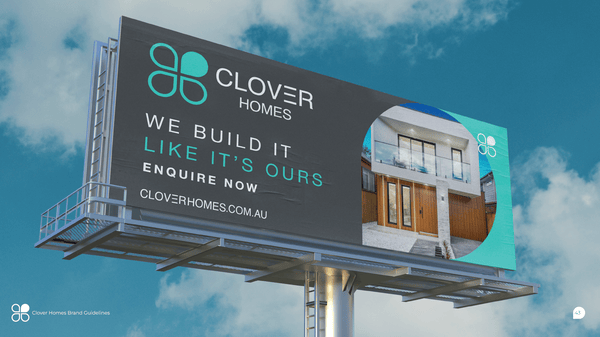
Building a home in Sydney has never been straightforward. Land prices, council requirements, and the sheer number of decisions involved can make the whole process feel overwhelming before a single brick is laid. For many Sydney homeowners and investors, one of the biggest turning points is simply understanding what type of build actually suits their block and their goals.
Single storey, double storey, or duplex?
It's a question that comes up constantly, and the answer isn't always obvious. Single storey homes suit buyers who prefer open, accessible layouts or have blocks where height isn't an advantage. Double storey builds make more sense on narrower lots where you need to build up rather than out and they're increasingly popular in Sydney's inner suburbs where land size is limited but families still need four or five bedrooms.
Duplexes are a different conversation entirely. A duplex allows two separate dwellings to be built on one block of land, which can be a smart move for homeowners who want to house extended family, investors looking to generate rental income from a single site, or owners who want to sell one half and offset the cost of their own build. Sydney councils vary significantly in how they handle duplex approvals some allow complying development certificates (CDC), which are faster, while others require a full development application (DA). Knowing which pathway applies to your site before you commit to a design can save months of back-and-forth.
Narrow blocks and corner lots
Sydney's older suburbs are full of narrow or irregular blocks that get written off too quickly. Narrow block home designs have evolved significantly over the past decade. Builders who specialise in this space have developed floor plans that make long, thin lots feel surprisingly spacious with clever use of skylights, open-plan living at the rear, and garage placement that doesn't eat into usable space.
Corner blocks present a different kind of opportunity. They're often larger, have two street frontages, and can be well-suited to corner block duplex configurations where each dwelling faces a different street. Again, council zoning is the first thing to check, but many Sydney LGAs do permit this type of development under medium density housing codes.
What the building process actually looks like
Most custom home builds in Sydney move through a few distinct stages: initial consultation and site assessment, design and documentation, planning approvals, and then construction through to handover. The approvals stage is where timelines most often blow out, particularly if heritage overlays, biodiversity considerations, or neighbour objections come into play.
Fixed-price contracts matter a lot here. One of the most common complaints from people who've been through a build is unexpected costs appearing mid-project. A properly scoped fixed-price contract should cover materials, labour, and council-related costs clearly anything vague in that document tends to show up as a variation later.
SDA and aged care construction
An area getting more attention in Sydney is Specialist Disability Accommodation (SDA) and aged care construction. With Australia's ageing population and ongoing NDIS funding for purpose-built accessible housing, some builders have expanded into this space. SDA homes are built to specific design standards and registered with the NDIS, providing housing for people with extreme functional impairment. It's a niche build type but growing in relevance for investors and landowners with suitable sites.
Choosing the right builder
Sydney has no shortage of building companies, but experience with local council requirements makes a genuine difference. A builder who knows how Parramatta City Council handles dual occupancy applications will move through that process faster than one learning on the job. Checking a builder's completed project portfolio not just renders and speaking to past clients is still the most reliable due diligence available.
The building industry in Sydney is active and competitive. For anyone sitting on a block and wondering what it could become, the best first step is usually a site assessment conversation before making any design or financial commitments.




Since sleep may be a precious commodity, it’s likely you hit the snooze button as repeatedly as possible, only to roll out of bed, throw on your workout gear and head out the door.
Not only does food offer you energy for exercise, but it also jumpstarts your metabolism Carbs provide energyIn case you would like a touch reminder, carbohydrates, like those found in fruits, vegetables and grains, are the first fuel source to power you thru a workout.
The body also stores carbs within the liver and muscles–this is named glycogen.
How much should I eat?The answer to the present questions is very individualized.
If you are feeling hungry, add an alternative choice .
BananaSome of my clients call bananas “potassium sticks” because they're full of this important electrolyte.