


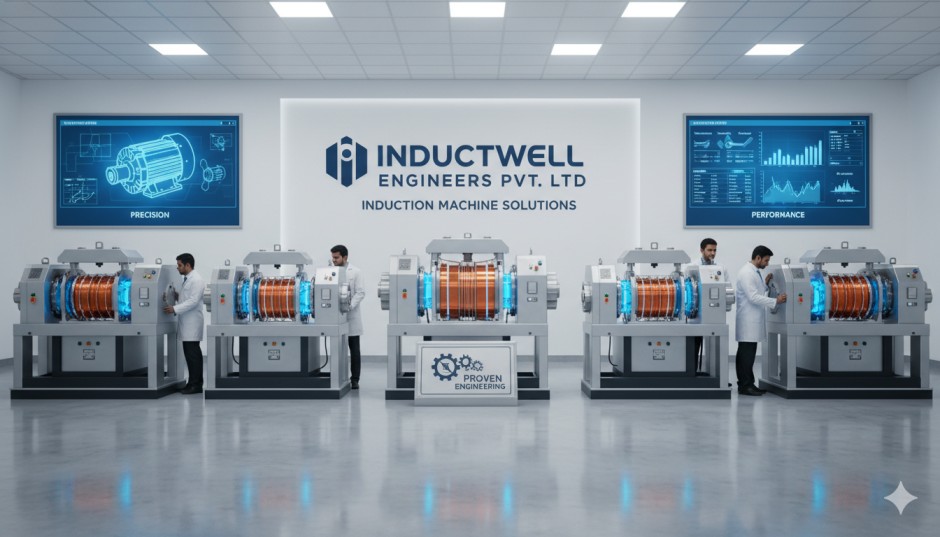
The Indian manufacturing sector is currently experiencing a renaissance. Driven by global supply chain shifts and domestic initiatives like "Make in India," Tier-1 suppliers and MSMEs across automotive, aerospace, and heavy engineering are scaling up production. However, to meet strict international quality standards, facility managers are quickly realizing that their legacy equipment is a major bottleneck.
At the heart of this industrial evolution is thermal processing. Traditional oil, gas, and coal-fired furnaces—once the backbone of Indian forging and assembly lines—are being rapidly phased out. They are notoriously slow, highly inefficient, and heavily reliant on operator skill. In their place, a cleaner, faster, and infinitely more precise technology has taken over: high-frequency electromagnetic induction.
If your facility is looking to slash energy bills, eliminate material waste, and automate production, understanding the shift toward solid-state induction technology is your first step toward maintaining a competitive edge.
The Engineering Advantage of Electromagnetic Heating
Unlike traditional furnaces that heat a metal component from the outside in via atmospheric convection, induction technology works through electromagnetism. An alternating current is passed through a custom-machined copper work coil, creating a magnetic field that induces eddy currents directly inside the workpiece.
This means the heat is generated internally. The result? Target temperatures are reached in a matter of seconds rather than hours, with virtually zero ambient heat loss on the factory floor.
However, transitioning to this technology requires partnering with an experienced, domestic induction heating manufacturer capable of engineering robust IGBT (Insulated-Gate Bipolar Transistor) systems. Unlike cheap imported units that frequently fail under India's fluctuating power grids, domestically engineered systems provide the heavy-duty reliability and rapid after-sales support necessary to keep 24/7 production lines running smoothly.
Revolutionizing the Forging Industry
For heavy industrial hubs in Ludhiana, Rajkot, and Pune, the drop forging and hot forming processes rely entirely on bringing raw steel billets to exact forming temperatures.
When a steel billet sits in a conventional gas furnace, it is exposed to oxygen for extended periods. This causes severe surface oxidation, commonly known as "scaling." In a high-volume forging plant, losing 2% to 4% of raw material to scale translates to massive financial losses every single shift. Furthermore, gas furnaces often heat the surface of the billet much hotter than the core, putting immense strain on the forging press dies and causing premature tool wear.
Upgrading to an automated induction forging machine eliminates both of these industrial headaches. Because the magnetic field penetrates the billet, the core and surface reach the optimal forging temperature simultaneously. More importantly, the heating process takes only seconds, leaving absolutely no time for scale to form. By integrating these machines with motorized conveyors and optical pyrometers, forging plants achieve continuous, single-piece flow with zero material waste.
Precision Assembly: The End of Manual Torch Brazing
While heavy forging relies on bulk heating, the tooling, HVAC, and EV motor sectors rely on absolute precision. Joining dissimilar metals—such as brazing a tungsten carbide cutting tip to a high-speed steel (HSS) body, or sealing critical copper tubes—requires intense, highly localized heat.
Historically, Indian factories have relied on manual oxy-acetylene torch brazing. This method introduces a fatal flaw into the assembly line: "heat soaking." Because the flame is slow, heat travels down the entire body of the part, altering its metallurgical grain structure and causing the component to warp out of tolerance. Additionally, the quality of the joint is entirely dependent on the steady hand of the operator.
By integrating a solid-state induction brazing machine into the assembly line, manufacturers remove human error from the equation entirely. These machines operate at high frequencies (up to 100 kHz), utilizing the "Skin Effect" to concentrate intense heat strictly on the joint interface. The surrounding metal remains completely cool, preserving its structural integrity.
Once the Programmable Logic Controller (PLC) is set with the correct parameters, the machine melts the filler alloy via perfect capillary action in seconds. Whether you are producing 10 parts or 10,000, every single metallurgical bond is identical, ensuring a zero-defect production run.
Calculating the Return on Investment (ROI)
For B2B procurement teams, the decision to upgrade thermal equipment comes down to ROI. The capital expenditure of a solid-state induction system is usually recouped within the first 8 to 12 months. This accelerated payback period is driven by three main factors:
Drastic Energy Savings: Induction machines are "instant on, instant off." They only draw maximum power during the brief heating cycle, eliminating the massive energy waste of keeping a gas furnace idling all day.
Scrap Reduction: By eliminating operator estimation and preventing thermal distortion, scrap rates typically drop from industry averages of 5% down to less than 0.5%.
Throughput Multiplication: Heating cycles that used to take minutes are reduced to seconds, allowing factories to double or triple their daily output without increasing their physical footprint.
Conclusion
As India solidifies its position as a global manufacturing powerhouse, the margin for error is shrinking. Operational dominance now belongs to the facilities that embrace data-driven, automated thermal processing. By upgrading your floor with advanced induction technology, you are not just buying a machine; you are investing in speed, precision, and the future scalability of your business.


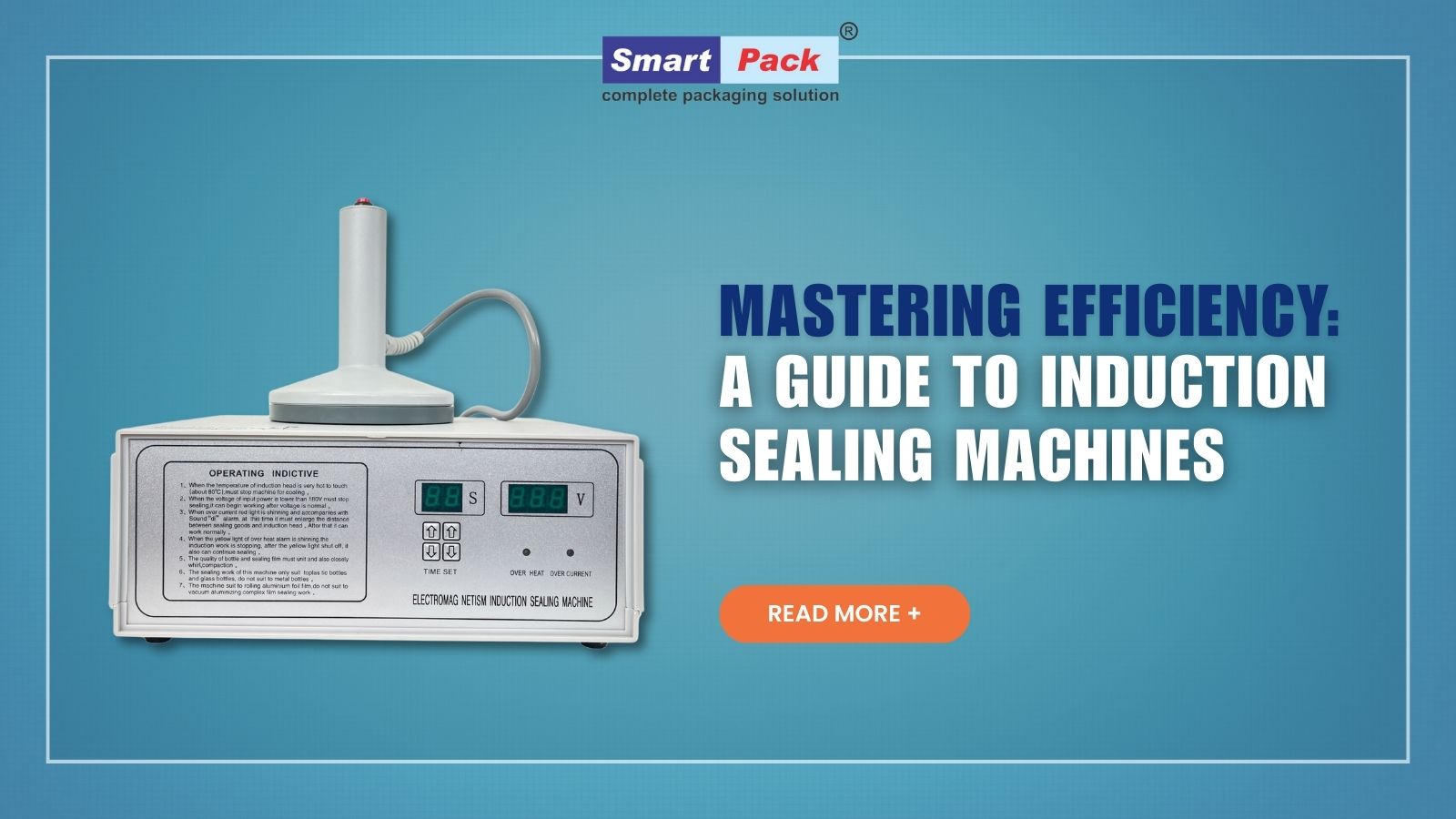
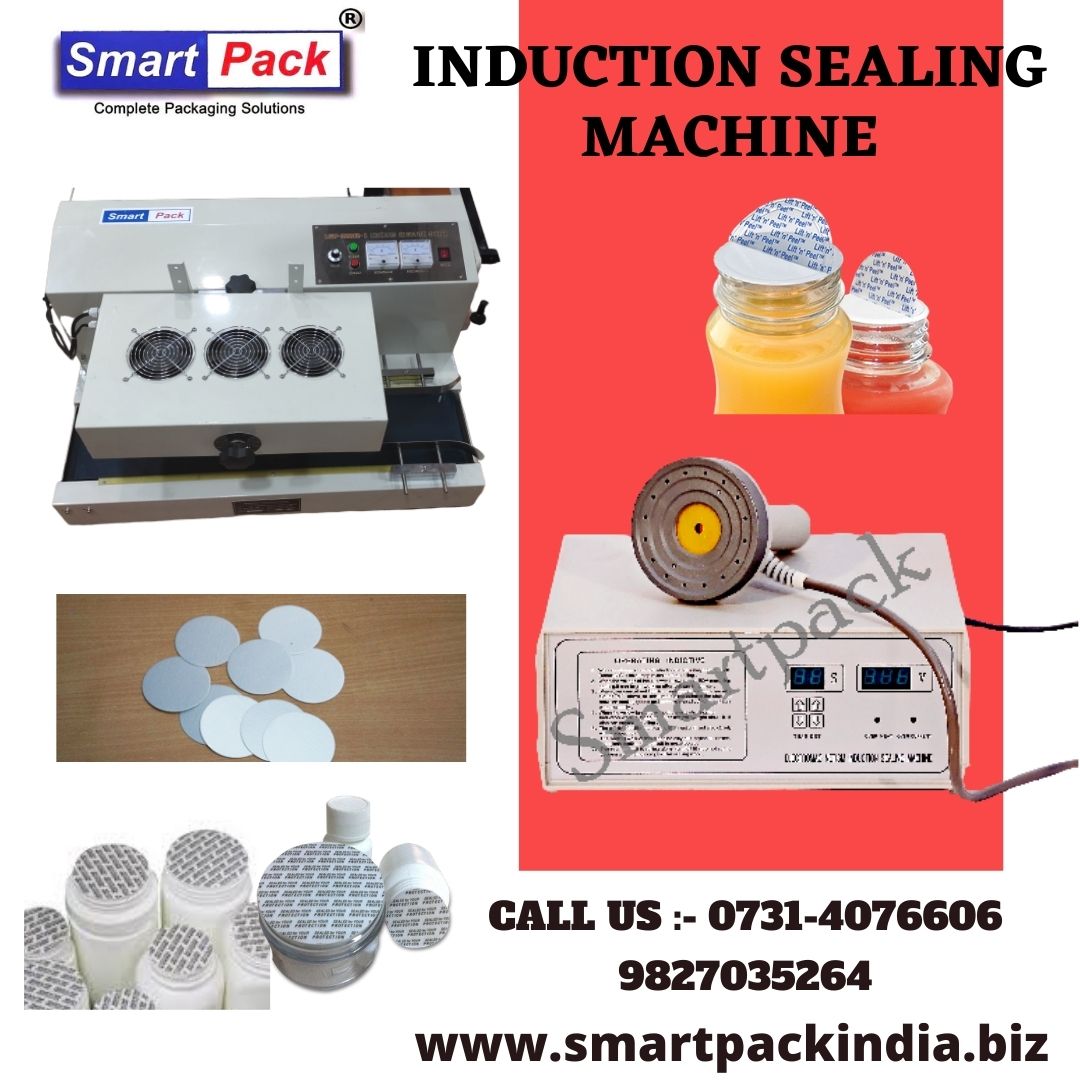
There is a large vary of Induction Sealer machines that the corporate manufactures.
there's hand-held or manual induction sealing machine, a semi-automatic induction cap sealing machine, and also a heavy-duty inline automatic induction bottle sealer.
In fact, we are able to customize Induction Sealing Machine as per the necessities of companies.
Whether you wish a cap sealing machine for high volume production or laboratory cap sealing, Smartpack has associate induction sealing instrumentality answer for you.
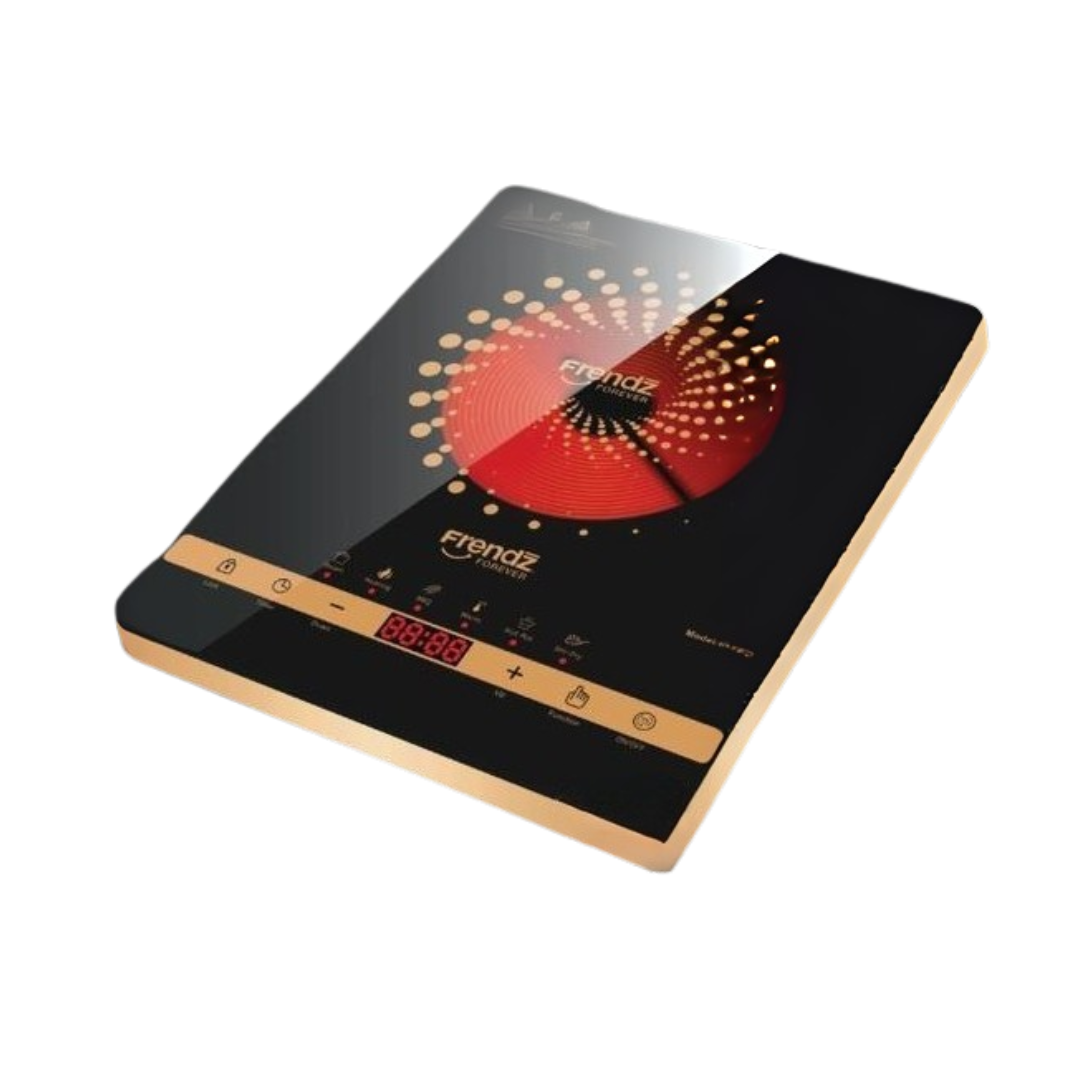
If you’re looking for an Induction Cooktop Manufacturer in Delhi, Frendz Forever is your go-to brand for cutting-edge cooking solutions. We specialize in high-performance induction cooktops, design