



A cyber security audit is an important check that helps businesses find weak spots in their digital systems. Many organisations ask the same question: how often should a business get a cyber security audit? The answer depends on the size of the business, the type of data it handles, and how quickly its systems change. In today’s digital world, regular audits are no longer optional—they are a key part of staying safe online.
What is a Cyber Security Audit?
A cyber security audit is a structured review of a company’s IT systems, policies, and controls. It looks at how well a business protects its data from threats like hacking, phishing, and malware. The goal is to find risks before attackers do. This includes checking passwords, user access, software updates, firewalls, and employee awareness.
Why Regular Audits Matter
Cyber threats are always changing. What was safe last year may not be safe today. Regular audits help businesses stay ahead of new risks. They also help reduce the chance of data breaches, which can lead to financial loss, legal trouble, and damage to trust.
Another reason audits matter is compliance. Many industries must follow strict data protection rules. Regular checks help ensure these rules are being followed correctly.
How Often Should a Business Get a Cyber Security Audit?
Most businesses should complete a cyber security audit at least once a year. This is a general rule that works well for many organisations.
However, some businesses need audits more often:
- Every 6 months for companies handling sensitive data such as financial or health information
- After major system changes, like new software, cloud migration, or network upgrades
- After a security incident, such as a data breach or suspected attack
- For fast-growing businesses, where systems and staff are changing quickly
Regular scheduling ensures that problems are found early, not after damage is done.
Factors That Change Audit Frequency
There is no one-size-fits-all answer. The right timing depends on several factors:
- Industry type: High-risk industries need more frequent checks
- Business size: Larger companies usually have more complex systems
- Data sensitivity: The more sensitive the data, the higher the risk
- Technology changes: Frequent updates or new tools increase security risks
- Remote work setup: More remote access points can increase exposure
Businesses should assess these factors when planning their audit schedule.
Signs You Need an Audit Sooner
Sometimes waiting for the next scheduled audit is not enough. A business may need an urgent review if:
- There are unusual login attempts or system activity
- Employees are unsure about security practices
- Software has not been updated for a long time
- There has been a phishing attempt or suspicious email activity
- The business is preparing for a major expansion or digital change
These warning signs often mean vulnerabilities already exist.
A cyber security audit is not a one-time task but an ongoing part of protecting a business. In most cases, an annual review is a good starting point, but some organisations need more frequent checks depending on risk and change. By regularly reviewing systems, businesses can reduce threats, improve safety, and keep their data secure. Ultimately, knowing how often to conduct a cyber security audit helps businesses stay prepared in an increasingly digital world.
For more information visit https://cyberethos.com.au/security-audits/



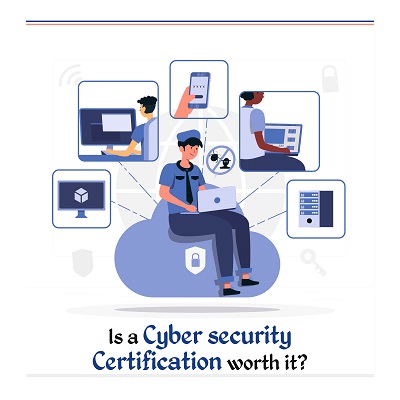
If you are interested in the field of Cybersecurity and want to become a Cybersecurity professional, Then do not think twice, about a cybersecurity certification.
it's completely worth it with so many benefits.


"Many businesses are re-opening their offices, here are some cybersecurity tips for organizations to consider as they navigate the transition of returning to the office.