---
Maintaining a vehicle in the "Sunshine State" requires more than just keeping the air conditioning running. From the coastal highways of the Keys to the urban sprawl of Miami and Jacksonville, Florida drivers are subject to specific administrative rules that keep the state's massive transportation network functioning. Because Florida is a high-growth state with thousands of new residents arriving monthly, the Florida Department of Highway Safety and Motor Vehicles (FLHSMV) has modernized its systems to be almost entirely digital.
If you are unsure whether your tags are up to date, or if you are considering purchasing a pre-owned vessel or vehicle, performing a Florida license plate lookup is the most reliable way to verify registration standing. This guide explores the 2026 Florida regulations, the importance of insurance synchronization, and how to navigate the state's "MyDMV Portal."
---
Why Check Your Florida License Plate Status?
In Florida, your license plate is a "living" document in the state's database. Unlike some states where a registration is simply a tax receipt, Florida uses your plate status to enforce safety, insurance, and even toll-way compliance.
1. Avoiding "Financial Responsibility" Suspensions
Florida is a "No-Fault" state, meaning every driver must carry Personal Injury Protection (PIP) and Property Damage Liability (PDL). The FLHSMV utilizes a real-time electronic verification system. If your insurance company notifies the state that your policy has lapsed, the state will send a notice. If you do not provide proof of new insurance within a strict window, your driver's license and your vehicle's registration status will be suspended. Performing a lookup allows you to see if an insurance "red flag" has been placed on your file before you are pulled over.
2. Toll-By-Plate and the SunPass Factor
Florida has one of the most extensive toll road networks in the country. If you do not have a SunPass transponder, the state uses high-speed cameras to perform a lookup on your plate and mail an invoice to the registered owner. If these invoices go unpaid, the tolling authority can place a "Registration Hold" on your account. You will find yourself unable to renew your plate status until the tolls and associated late fees are settled in full.
3. Purchasing a Vehicle in the Sunshine State
Florida has a robust market for private vehicle sales. However, it is also a state prone to flood-damaged vehicles following hurricane seasons. A Florida license plate lookup is an essential step for any buyer to ensure the title isn't "Branded" (e.g., Salvage, Rebuilt, or Flood). It also confirms that the seller has the legal right to transfer the title and that there are no active liens from Florida-based lenders.
---
How to Perform a Florida License Plate Lookup
The FLHSMV provides several official pathways to verify a vehicle's status. These tools are designed to provide transparency for both owners and potential buyers.
The MyDMV Portal
The primary tool for Florida residents is the MyDMV Portal. This is the state's official self-service center. To check your status here, you typically need:
Your License Plate Number: The alphanumeric sequence on your tag.
Your Driver License Number: Used to verify your identity as the owner.
The Last Four Digits of your Social Security Number: For added security.
Once logged in, you can view your "Vehicle Dashboard," which shows the expiration date for each vehicle you own and whether your insurance status is currently "Verified."
The "Check VINS" Tool
For those looking at a car they don't yet own, the FLHSMV offers a public-facing "Motor Vehicle Information Check." By entering a plate number or VIN, you can see the basic year, make, and title status of the vehicle. This is the first step in ensuring that the car you are looking at in a parking lot matches the data on file with the state.
For more detailed resources on understanding Florida-specific plate types and local county requirements, you can find helpful guides at https://floridalicenseplate.com/.
---
Understanding Florida's Unique Plate Types
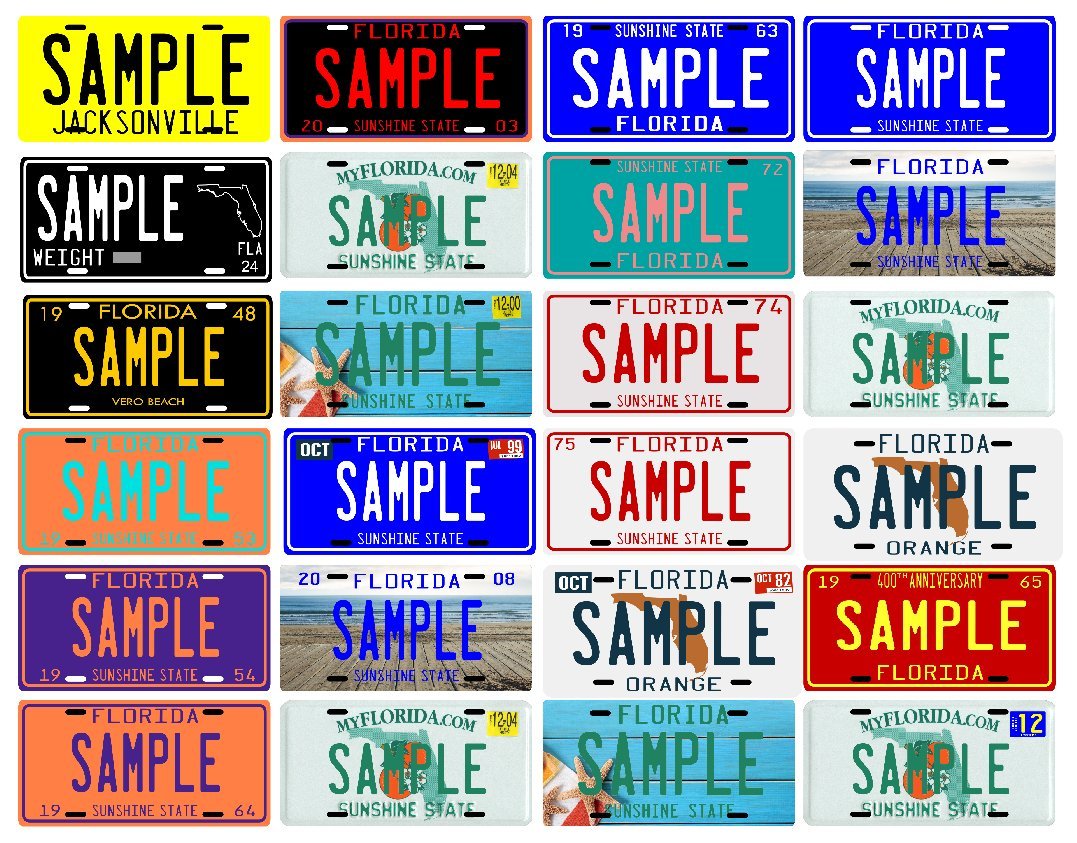
Florida offers more specialty license plates than almost any other state - over 120 designs ranging from "Protect the Panther" to university-branded tags.
The "Green Orange" Standard
The standard Florida plate features the iconic orange graphic in the center with "Florida.com" at the bottom. In 2026, the state continues to use the "7-character" alphanumeric format for standard passenger vehicles. When performing a lookup, it is important to ensure you are entering the characters exactly as they appear, as Florida does not use the letter "O" on standard plates (they use the number "0" instead) to avoid confusion.
The 10-Year Replacement Rule
Florida law (Section 320.06, Florida Statutes) requires that license plates be replaced every 10 years. This is done because the reflective material on the plate degrades over time, making it harder for law enforcement and toll cameras to read. If your Florida license plate lookup shows that your plate is reaching its 10th anniversary, the system will automatically trigger a "Replacement Required" message, and you will be issued a new physical plate during your next renewal cycle.
---
What to Do If Your Status is "Suspended" or "Invalid"
If a lookup reveals an issue with your Florida registration, the resolution process is typically digital:
For Insurance Suspensions: You must have your insurance agent file a "Form SR-22" or an electronic proof of coverage with the state. You will also likely have to pay a reinstatement fee, which starts at $150 for a first offense and can go up to $500 for subsequent lapses.
For Toll Holds: You must contact the specific tolling agency (such as SunPass or E-Pass). Once the debt is cleared, they will electronically notify the FLHSMV to lift the hold. This process can take 24 to 48 hours to reflect in the state's main database.
For Expired Status: If you are simply late, you can renew online through the MyDMV portal. Florida offers a "temporary" registration receipt that you can print and use for 30 days while your new yellow decal arrives in the mail.
---
Staying Proactive in Florida
The best way to avoid a surprise suspension is to sign up for FLHSMV Email Alerts. Florida has shifted away from mailing physical renewal notices to many residents. By opting into digital notifications, you receive a direct link to your renewal portal 60 days before your birthday - which is when most Florida passenger vehicle registrations expire.
Additionally, always keep a digital copy of your "Registration Certificate" on your smartphone. While law enforcement can see your status on their computers, having the document ready - which includes your VIN and Title Number - makes it much easier to resolve any administrative discrepancies at a local Tax Collector's office.
Conclusion
A Florida license plate lookup is a vital tool for staying legal in one of the busiest driving environments in the country. From managing the "Financial Responsibility" insurance requirements to ensuring your 10-year plate replacement is on track, staying informed is the only way to avoid unnecessary fines. Florida's digital-first approach means that the responsibility for compliance lies entirely with the vehicle owner. By using the state's online tools and staying proactive with your insurance and toll payments, you can keep your vehicle on the road and enjoy everything the Sunshine State has to offer.