

The Role of Chlorine in Municipal Water Systems
In the public health landscape of 2026, chlorine remains the primary defense mechanism used by municipal treatment plants to neutralize waterborne pathogens. While its role in eradicating bacteria and viruses is vital for safe transit through ageing city pipes, the residual chemical can reach household taps, resulting in a distinct bleach-like odour and a harsh metallic taste.
For many homeowners, the goal of water filtration is not just safety, but the restoration of the water's natural sensory profile. Reverse Osmosis (RO) has long been marketed as a comprehensive solution, but understanding how it interacts with different chemical disinfectants is essential for maintaining both the system's longevity and the water's purity.
The Mechanism of Chlorine Elimination
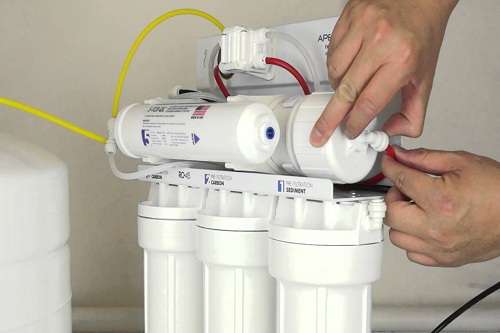
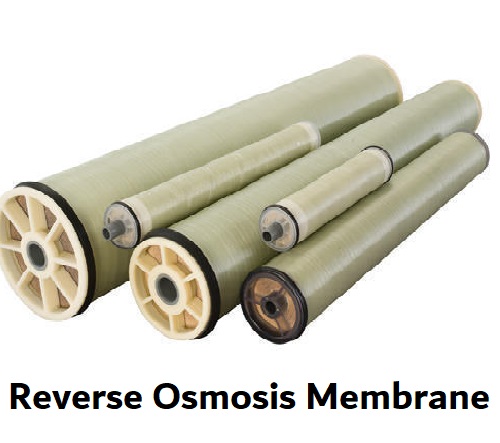
Reverse Osmosis is fundamentally a physical separation process. It utilizes a semi-permeable membrane with microscopic pores—roughly 0.0001 microns in size—to block contaminants while allowing water molecules to pass through. Strictly speaking, while the RO membrane itself can block some chlorine, it is actually the integrated Activated Carbon Pre-filters within the RO system that do the heavy lifting.
Chlorine is a highly reactive chemical that can actually damage and "thin" the delicate polyamide material of an RO membrane over time. Therefore, professional RO systems are designed to neutralize chlorine via adsorption in the carbon stage before the water ever reaches the membrane, ensuring both chemical-free water and a protected filtration system.
Chlorine vs Chloramine: The Filtration Challenge
A critical distinction for modern consumers is between free chlorine and chloramine, a more stable compound formed by combining chlorine and ammonia. Many cities have transitioned to chloramines because they remain active in the water supply for longer durations. However, chloramines are significantly more difficult to remove than standard chlorine.
Standard carbon filters may not have sufficient "contact time" to break the ammonia-chlorine bond. In 2026, high-performance RO systems address this by incorporating Catalytic Carbon filters. These specialized pre-filters are engineered specifically to catalyze the breakdown of chloramines, ensuring that the final output is free from these persistent disinfectants.
The Lifecycle and Maintenance of Chemical Filters
The efficiency of an RO system in removing chlorine is not permanent; it depends on regular maintenance. As the carbon pre-filters adsorb chemicals, their porous surfaces eventually become saturated. If these filters are not replaced according to the manufacturer's schedule—typically every six to twelve months—chlorine will eventually "break through" and reach the RO membrane.
This not only results in the return of unpleasant tastes but can also lead to "membrane oxidation," permanently reducing the system's ability to filter out other dangerous contaminants such as lead, arsenic, and nitrates. Consistent monitoring of the system's output ensures that the chemical barrier remains intact.
Impact on Health and Kitchen Appliances
Removing chlorine via Reverse Osmosis provides benefits that extend beyond the drinking glass. De-chlorinated water is significantly better for cooking, as it prevents chlorine from altering the flavour of delicate foods or from reacting with organic compounds in tea and coffee.
Furthermore, for those with sensitive skin or respiratory conditions, using RO-purified water for ice makers or humidifiers reduces exposure to aerosolized chlorine byproducts. From a mechanical perspective, removing chlorine and associated minerals prevents the "pitting" and corrosion of internal components in high-end coffee machines and steam ovens, significantly extending the lifespan of expensive kitchen investments.
Strategic Conclusion for 2026 Homeowners
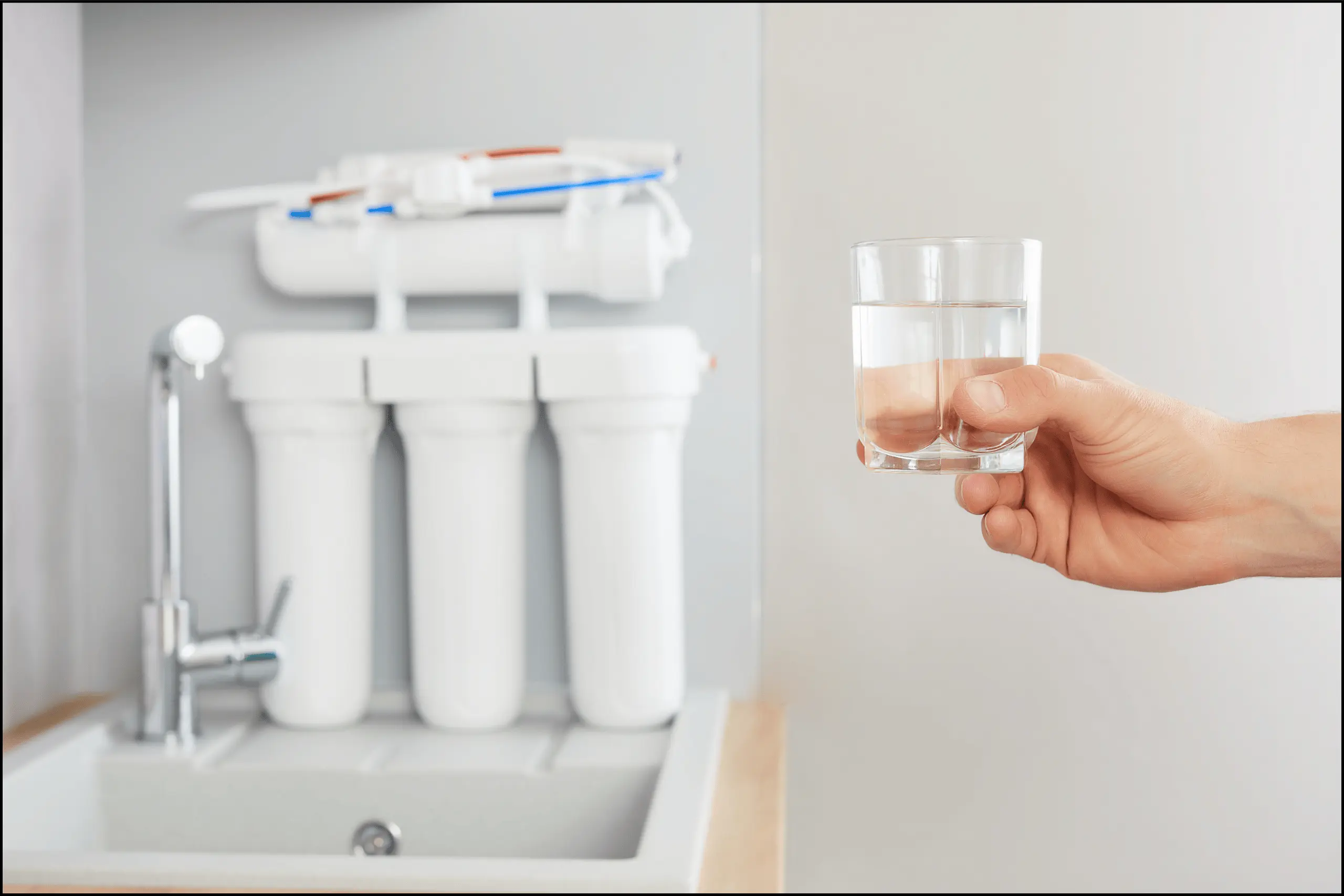
Reverse Osmosis remains the most effective residential technology for the total elimination of chlorine and its associated byproducts. While the initial investment and the water-to-waste ratio are valid considerations, the quality of the resulting water is unmatched in its purity and taste.
When selecting a system in 2026, ensure it is certified for both chlorine and chloramine reduction, especially if you reside in a large metropolitan area. By combining advanced carbon adsorption with the physical barrier of the RO membrane, you create a fail-safe environment that delivers bottled-quality water directly from your tap, fostering a healthier and more sustainable lifestyle.
Are you looking for the best RO water provider in Chennai?
We, “Clearflo Technologies,” effectively provide the best RO water purifier in Chennai.
Have any queries about the water treatment process?
Clearflo’s expert team is here to solve all your queries.
Do contact us: https://clearflo.in/contact-us.html