Introduction: Why Cold Plunge Therapy Is Becoming a Global Recovery Standard
Cold plunge therapy has rapidly evolved from a niche recovery technique used in elite athletic environments into a mainstream wellness practice adopted by gyms, sports facilities, and home users around the world. What was once limited to professional locker rooms and rehabilitation centers is now a central feature in modern biohacking routines and performance-focused lifestyles.
A major reason for this shift is the increasing awareness of how physical recovery directly impacts long-term performance, mental clarity, and stress resilience. Athletes, fitness influencers, and public figures such as elite endurance athletes, UFC fighters, and wellness advocates have helped normalize cold exposure as part of daily recovery routines. This growing visibility has driven widespread interest in cold water immersion as an accessible yet powerful health optimization tool.
At the center of this evolution is the commercial cold plunge chiller, a system designed to maintain precise, consistent water temperatures without the need for ice. Unlike traditional setups that require constant manual maintenance, modern chiller-based systems provide automated cooling, filtration, and stability, making them ideal for long-term and commercial use.
Science-Backed Benefits of Cold Plunge Therapy
Cold water immersion is not simply a trend driven by social media or wellness culture. It is supported by physiological research that explores how the human body responds to controlled cold stress.
Muscle Recovery and Reduced Soreness
One of the most widely recognized benefits of cold plunging is its effect on muscle recovery. After intense physical activity, muscles experience micro-tears and inflammation, which contribute to soreness and stiffness commonly known as delayed onset muscle soreness (DOMS).
Cold immersion helps by constricting blood vessels and temporarily reducing metabolic activity in the affected tissues. This process limits swelling and tissue breakdown during the initial recovery phase. Once the body warms back up, blood flow increases again, delivering oxygen and nutrients that support tissue repair.
Over time, this cycle can help athletes and fitness enthusiasts return to training faster and with reduced discomfort, making recovery more efficient and predictable.
Reduction of Inflammation and Physical Stress
Inflammation is a natural response to physical exertion, but excessive or prolonged inflammation can slow recovery and contribute to fatigue or discomfort. Cold exposure has been shown to help regulate inflammatory responses in the body by influencing cytokine activity and reducing localized swelling.
For individuals who engage in frequent training, physically demanding work, or high-intensity sports, this reduction in inflammation can support improved joint comfort, reduced muscle stiffness, and better overall physical resilience.
Dopamine Release and Mental Performance Enhancement
One of the most interesting effects of cold immersion occurs at the neurological level. Exposure to cold water triggers a significant increase in dopamine, a neurotransmitter associated with motivation, focus, and mood regulation.
Research suggests that dopamine levels can rise substantially following cold exposure, leading to improved alertness, enhanced mental clarity, and a noticeable uplift in mood. This is one reason many users describe cold plunging as a “mental reset,” particularly when used in the morning or after mentally demanding tasks.
In addition to dopamine, cold exposure activates the sympathetic nervous system, increasing norepinephrine levels, which further enhances focus and attention.
Improved Circulation and Cardiovascular Response
Cold immersion creates a natural vascular response cycle. When exposed to cold water, blood vessels constrict in a process called vasoconstriction. Once the body exits the cold environment and begins to warm, these vessels dilate again, restoring normal blood flow.
This repeated contraction and expansion may help support vascular flexibility and improve circulation efficiency over time. While it is not a replacement for cardiovascular exercise, it can act as a complementary stimulus for circulatory health.
Buying Guide: Understanding Different Cold Plunge Systems
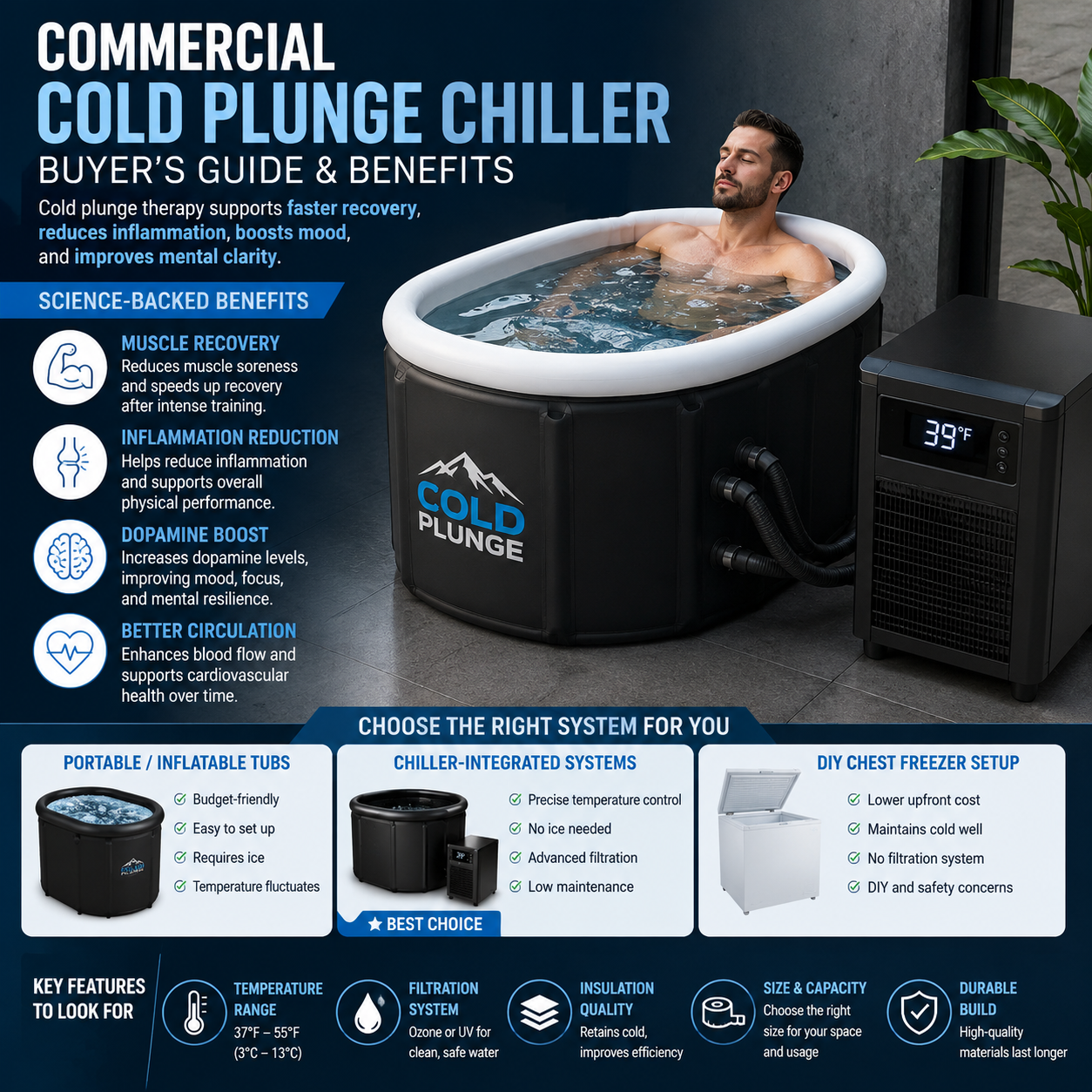
Choosing the right cold plunge system depends on budget, usage frequency, and long-term goals. There are three primary categories available in the market, each with distinct advantages and limitations.
Portable or Inflatable Cold Plunge Tubs
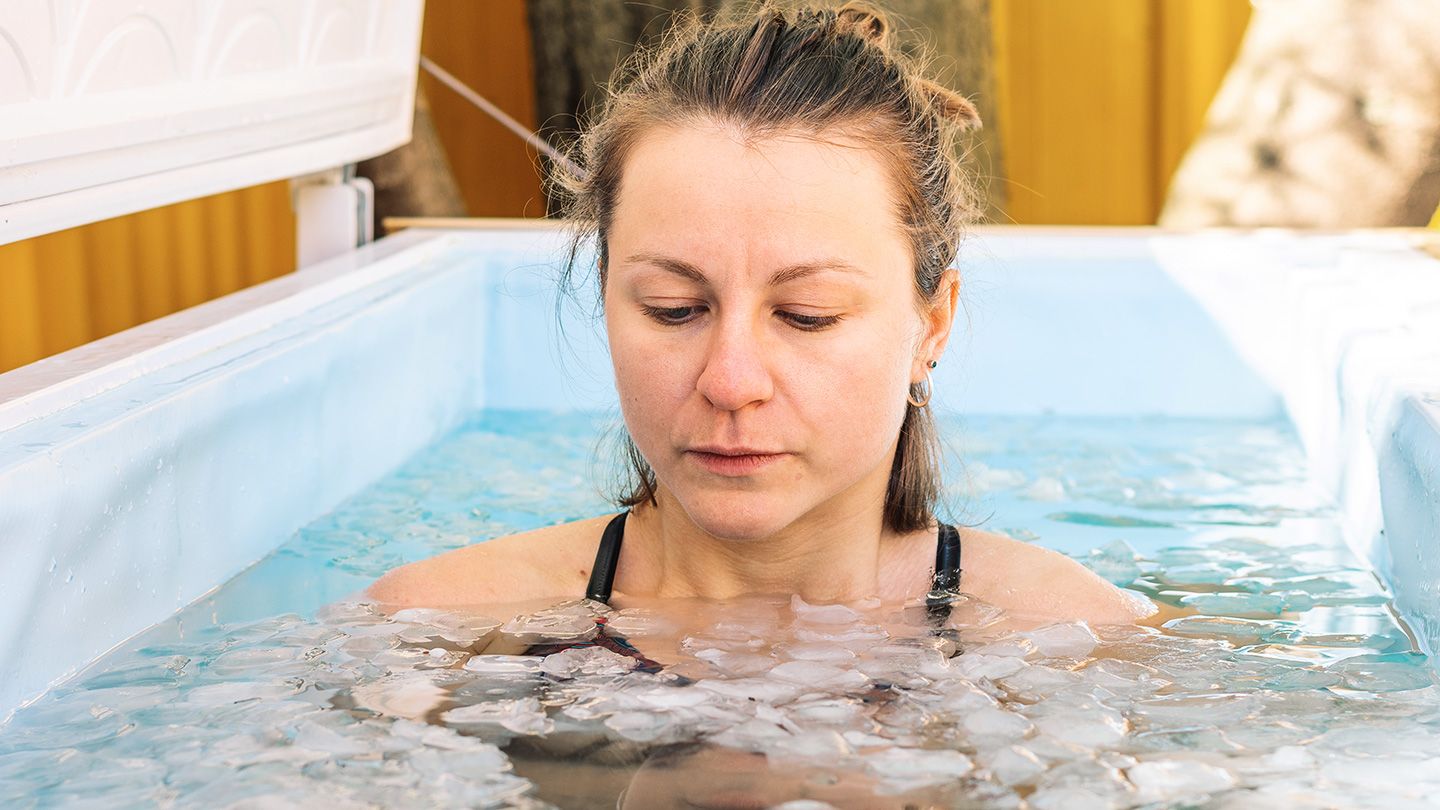
Portable cold plunge tubs are often the entry point for beginners exploring cold water therapy. These systems are typically inflatable or lightweight insulated tubs that require manual filling with water and ice.
They are especially appealing to users who want to experience cold immersion without committing to a large installation or high upfront cost. Because they are easy to set up and store, they are commonly used in home environments where space is limited.
However, their biggest limitation is temperature consistency. Since they rely on ice, the water temperature fluctuates significantly, and maintaining an optimal therapeutic range requires constant effort. They also lack filtration systems, meaning water must be changed frequently for hygiene purposes.
Chiller-Integrated Cold Plunge Systems (Premium Category)
At the top end of the market are systems that incorporate a commercial cold plunge chiller. These advanced setups are designed for consistent, automated temperature control and are widely used in professional gyms, wellness centers, and serious home recovery setups.
Unlike manual systems, chiller-integrated units continuously regulate water temperature, often allowing precise settings that can be maintained 24/7. This eliminates the need for ice entirely and ensures that the plunge experience is identical every time.
Many premium systems also include built-in filtration technologies such as UV sterilization or ozone purification, which keep water clean for extended periods. This significantly reduces maintenance requirements and improves long-term usability.
Although the upfront cost is higher, these systems are considered the most reliable and scalable option for consistent recovery therapy.
DIY Chest Freezer Conversions
A more unconventional approach involves converting a chest freezer into a cold plunge system. This method has gained popularity among DIY enthusiasts due to its relatively low cost and ability to maintain cold temperatures for extended periods.
While it can be effective in cooling water, this approach comes with serious limitations. Most freezers are not designed for human immersion, which raises safety concerns regarding electrical components and insulation materials. Additionally, filtration systems are typically absent, requiring frequent water changes and careful monitoring.
Despite these drawbacks, some users choose this option as a budget alternative before upgrading to a dedicated system.
Comparison: Chiller-Based Systems vs Manual Ice Systems
Feature Commercial Chiller System Manual Ice Bath System
Temperature Control Highly precise and automated Inconsistent and variable
Ease of Use Very convenient Requires daily preparation
Long-Term Cost Efficient over time Continuous ice expense
Hygiene Built-in filtration options Requires frequent water changes
Reliability Stable and repeatable Dependent on external conditions
Best Use Case Home gyms, spas, athletes Beginners or occasional users
Key Features to Consider in a Commercial Cold Plunge Chiller
When selecting a high-quality system, several technical and design factors determine performance and long-term satisfaction.
A proper temperature control system should allow users to maintain therapeutic cold ranges consistently without fluctuations. Most effective systems operate between approximately 3°C to 13°C, depending on user preference and recovery goals.
Filtration is another essential component. Systems equipped with ozone or UV filtration help maintain water hygiene by eliminating bacteria and reducing contamination risks, especially in shared or commercial environments.
Insulation quality plays a critical role in energy efficiency. Well-insulated tanks reduce the workload on the chiller, improving energy consumption and maintaining stable temperatures even in warmer climates.
Size and build material should also be considered carefully. Stainless steel and reinforced acrylic systems tend to offer higher durability, while larger capacity tanks are more suitable for commercial or multi-user environments.
Finally, pump strength and chiller performance determine how quickly the system reaches the desired temperature and how well it maintains consistency under continuous use.
Step-by-Step Guide for First-Time Cold Plunge Users
For individuals new to cold water therapy, it is important to approach the experience gradually to allow the body to adapt safely.
The initial exposure should begin at a moderate temperature rather than extreme cold. A range of approximately 10°C to 15°C is generally recommended for beginners, allowing the nervous system to adapt without excessive shock.
Duration should also be limited in early sessions. Even one to three minutes can provide meaningful physiological benefits without overstressing the body. As tolerance increases, users may extend sessions slightly, although longer exposure is not always necessary for results.
Breathing control plays a crucial role during immersion. Slow, steady breathing helps regulate the initial stress response and prevents hyperventilation.
After exiting the cold water, the body should be allowed to warm naturally. Light movement and dry clothing are preferable to sudden exposure to hot water, which can be uncomfortable for some individuals.
Is a Commercial Cold Plunge Chiller Worth the Investment?
For individuals who plan to use cold therapy consistently, a commercial cold plunge chiller is often a worthwhile investment. While manual systems may be suitable for occasional use, they require significant ongoing effort and lack temperature stability.
Chiller-based systems provide convenience, consistency, and long-term reliability, making them particularly valuable for athletes, fitness professionals, and wellness-focused individuals. Over time, the reduction in maintenance effort and improved recovery consistency often justifies the initial cost.
Conclusion
Cold plunge therapy has transitioned from an experimental recovery method into a widely adopted wellness practice supported by both anecdotal experience and emerging scientific research. Its benefits extend beyond physical recovery to include mental clarity, stress resilience, and improved overall well-being.
Among all available systems, the commercial cold plunge chiller represents the most advanced and practical solution for long-term use. By combining temperature precision, automation, and filtration, it removes the limitations of traditional ice-based methods and creates a consistent recovery experience.
Ultimately, the effectiveness of cold therapy depends less on extreme exposure and more on consistency, safety, and integration into a broader health routine.
Click this website: https://www.renutherapy.com/pages/commercial for more!