


Optometric care in Oshawa is evolving beyond traditional vision testing, with a growing emphasis on early functional vision analysis. Instead of focusing only on how clearly a person sees, modern eye care now examines how the entire visual system works together to support daily tasks such as reading, focusing, coordination, and attention.
This shift is helping optometrists identify vision-related issues earlier and more accurately, even before noticeable symptoms appear.
What Functional Vision Analysis Means
Functional vision analysis goes beyond standard eye exams that measure visual sharpness. It evaluates how the eyes and brain work together to process visual information efficiently.
Key areas assessed in functional vision testing include:
• Eye coordination and alignment
• Focusing ability at different distances
• Tracking and eye movement control
• Depth perception and spatial awareness
• Visual processing speed and accuracy
By examining these functions, optometrists can better understand how vision impacts everyday performance.
Why Early Detection Is Becoming More Important
Many vision problems do not begin with blurry eyesight. Instead, they start with subtle functional difficulties such as eye strain, reading fatigue, or trouble maintaining focus.
Without early testing, these issues may be mistaken for learning challenges, attention difficulties, or general fatigue. Early functional vision analysis helps identify the root cause sooner, allowing for more effective intervention.
Conditions that can benefit from early detection include:
• Binocular vision disorders
• Eye teaming problems
• Focusing dysfunctions
• Early developmental vision delays in children
The Role of Modern Optometry in Oshawa
Optometrists in Oshawa are increasingly incorporating functional vision testing into routine eye exams. This allows them to evaluate not just the structure of the eyes, but also how effectively they perform together as a system.
This approach is especially useful for:
• Children experiencing reading or learning difficulties
• Adults with screen-related eye strain
• Seniors with changes in visual coordination
• Patients with persistent but unexplained visual discomfort
Technology Supporting Better Functional Analysis
Advancements in diagnostic tools have made functional vision analysis more precise and accessible. Digital testing systems and specialized equipment allow optometrists to measure eye performance in real time and track subtle changes over time.
These tools help:
• Identify inefficiencies in eye movement and focusing
• Detect early signs of visual stress
• Monitor progress during treatment or therapy
• Provide more personalized care plans
Benefits of Early Functional Vision Care
By identifying functional vision issues early, optometrists can recommend targeted solutions that improve visual comfort and performance. These may include corrective lenses, vision therapy, or lifestyle adjustments.
The benefits of early analysis include:
• Improved reading and learning performance
• Reduced eye strain and fatigue
• Better visual coordination and focus
• Enhanced overall quality of vision
Conclusion
Early functional vision analysis is becoming a key part of modern optometric care in Oshawa. By focusing on how the visual system works not just how clearly it sees optometrists can detect problems earlier and provide more effective, personalized treatment.
As this approach becomes more widely adopted, patients benefit from improved diagnosis, better visual comfort, and stronger long-term eye health outcomes.
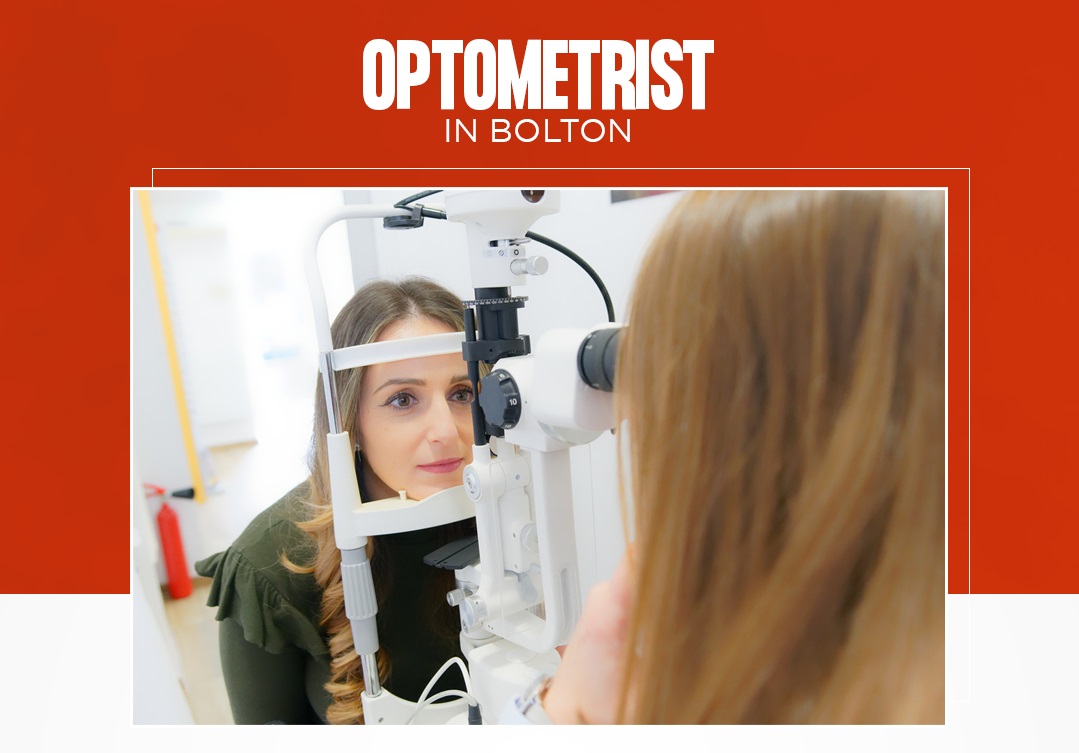
Main causes of itchy eyes and how to eliminate them: AllergyAllergies are the most common cause of itchy eyes.
It occurs as a result of exposure to an irritating substance (pollen, dust, etc.)
on the eye's mucous membrane, causing the release of organic compounds in the tissues - histamines, which cause itching, redness, and swelling of the eyes.
The most common type of eye disease is allergic conjunctivitis, caused by a seasonal allergy (in spring and autumn).
To eliminate itching in the eyes caused by allergies, you need to contact an ophthalmologist//optometrist.
In addition, the lens should be carefully "viewed" in the light to ensure its integrity.
Choosing the right eyeglass lenses is so important and is not an easy task.
Indeed, there are so many options for lenses and coatings that it's easy to become perplexed about what's worthwhile and what isn't.