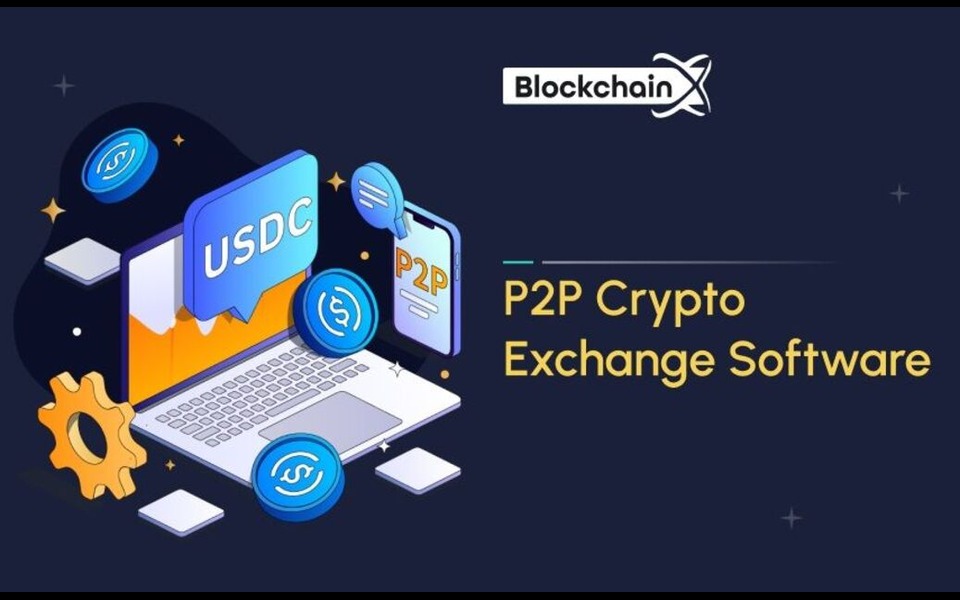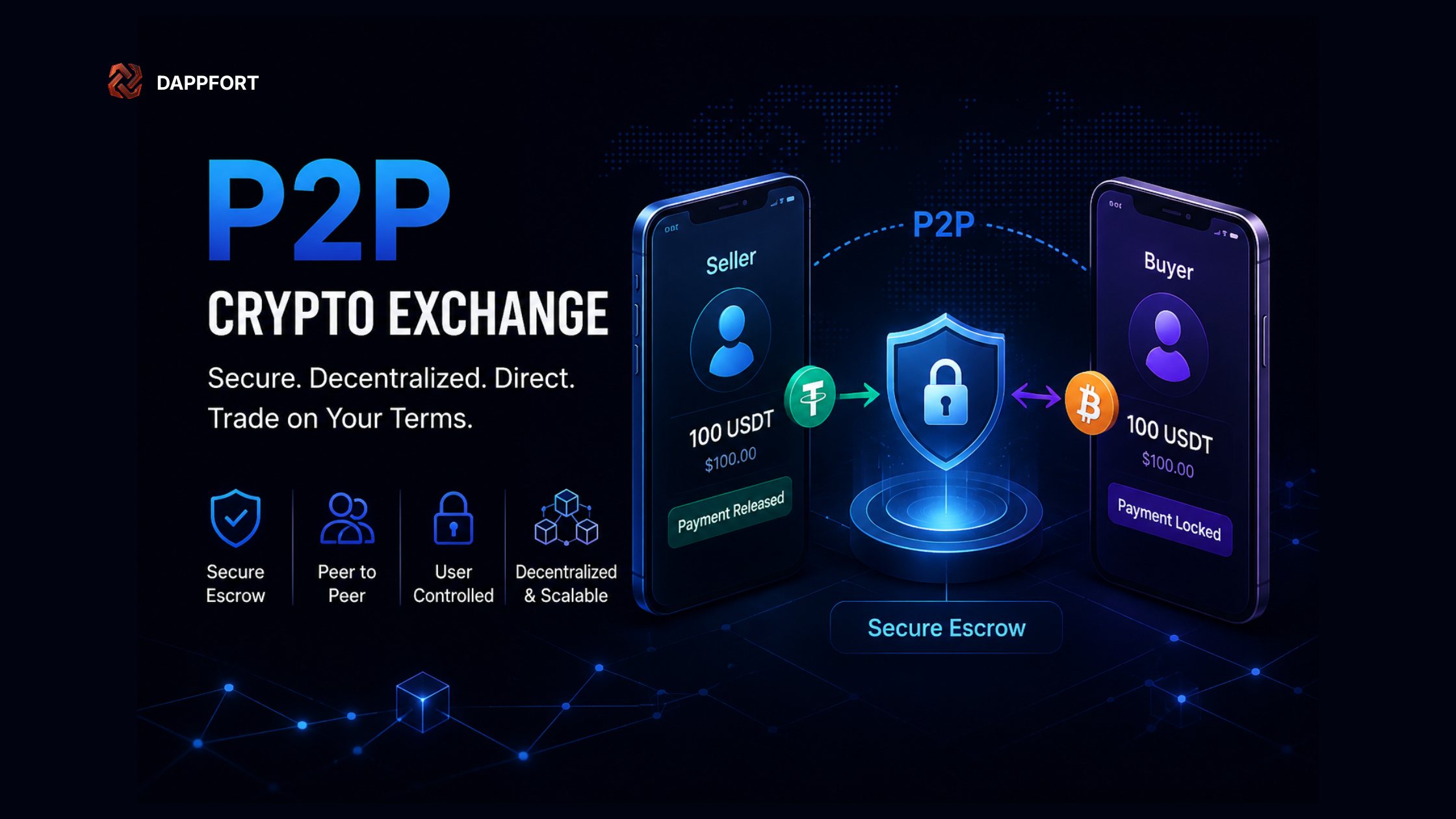
A P2P crypto exchange connects buyers and sellers directly without routing transactions through a central intermediary. Trades happen wallet-to-wallet, typically secured by an escrow mechanism that holds assets until both parties complete their obligations. There is no single entity sitting in the middle holding funds, which changes the risk profile of the platform entirely.
This model is not new, but the tooling, security standards, and user expectations around it have matured considerably. According to a 2023 Chainalysis report, P2P exchange volume in emerging markets remained resilient even during broader market downturns, suggesting that the model serves real and consistent demand rather than just trend-driven interest.
Lower Barrier to Entry for Early Stage Teams
Building a centralized exchange from scratch means dealing with order book management, deep liquidity requirements, custodial wallet infrastructure, and the operational burden that comes with holding user funds. For a startup working with a lean team and limited runway, that is a significant amount of complexity to take on before the product has even been validated.
P2P models reduce this considerably. The platform handles matching, escrow, and dispute resolution. The heavy infrastructure burden of maintaining liquidity pools and custodial systems shifts away from the founding team, which means faster development cycles and a more focused product launch.
Non-Custodial Design Reduces Risk and Builds Trust
The collapses of several major centralized exchanges in recent years made one thing very clear. Holding user funds is a liability, not just operationally but reputationally. When a platform controls private keys and user assets, it becomes a high-value target and takes on enormous responsibility that is difficult to manage at an early stage.
P2P exchanges are non-custodial by design. Users retain control of their assets throughout the transaction process. For a startup that has not yet built years of trust with its user base, this architecture removes a significant point of vulnerability and sends a clear signal to users that the platform is not a single point of failure.
Regulatory Considerations Are More Manageable
Crypto regulation is tightening across most major jurisdictions, and centralized exchanges typically face the steepest compliance requirements around KYC, AML, and money transmission licensing. These are not impossible to meet, but for an early-stage startup they represent a substantial legal and operational investment before the business has proven its model.
P2P platforms have a structurally different relationship with regulation. Because they do not hold funds or act as direct counterparties to trades, their compliance obligations often look different, though they are not nonexistent. Startups still need proper legal guidance, but the P2P model generally provides more flexibility in how compliance is structured, particularly for teams operating across multiple jurisdictions.
Emerging Markets Are a Natural Fit
A significant portion of global crypto activity comes from regions where access to traditional banking infrastructure is limited or unreliable. Markets across Southeast Asia, Sub-Saharan Africa, and Latin America have shown consistently high P2P adoption precisely because these platforms support flexible local payment methods including mobile money, bank transfers, and in some cases cash.
For a startup with ambitions in these regions, building on a P2P model is not just a technical decision. It is a market access decision. Traditional trading apps built around fiat on-ramps tied to Western banking systems simply do not serve these users effectively.
Liquidity Grows With the Community
One of the hardest problems for any new exchange is bootstrapping liquidity. Centralized platforms typically need to bring in market makers or offer incentives to early traders just to create the appearance of an active market. P2P platforms sidestep this problem because liquidity is community-generated. Every user who posts an offer contributes to the platform's depth. The more users join, the more liquid the platform becomes organically.
This self-reinforcing dynamic is particularly valuable for startups that are building a community alongside a product, which describes most early-stage crypto ventures.
Customization Without Starting From Scratch
P2P architecture is modular and adaptable in ways that centralized exchange infrastructure often is not. Startups can build platforms tailored to specific asset classes, regional payment preferences, or niche user groups without rethinking the entire system every time requirements shift. That is why many founders today are thinking carefully about custom P2P cryptocurrency exchange development services early in their product planning process, so the platform they build is designed around the specific market they are going after rather than a generic template.
The Bigger Picture
P2P exchanges represent more than a practical infrastructure choice. They reflect the original philosophy behind cryptocurrency itself, which is giving users direct control over their assets without depending on an institution to hold or manage them. For startups that want their product to align with those values from day one, the P2P model is the more coherent starting point.
As the technology around P2P trading continues to mature and the user experience gap between P2P and centralized platforms continues to close, this model is becoming less of a compromise and more of a genuine competitive advantage for the ventures that choose it early.
Visit Us >> https://www.dappfort.com/p2p-crypto-exchange-development-company/