

In homes, workplaces, gyms, and university residences around the world, a practical revolution is unfolding cycle by cycle. More women are choosing reusable period products menstrual cups, period underwear, washable pads, and menstrual discs over traditional disposables. What began as a small movement driven by environmental awareness has matured into a mainstream option valued equally for its sustainability credentials, long-term savings, and dependable performance.
This evolution is unfolding most visibly within the broader intimate apparel market, where functional, eco-conscious designs are steadily gaining ground alongside classic styles. Reusable period underwear, in particular, is helping redefine what everyday undergarments can achieve.
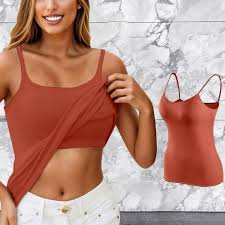
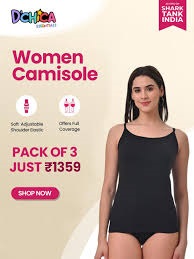
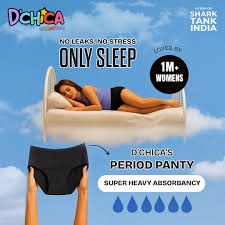
Finding the right intimate wear can be tough, especially when bras pinch, slip, or don't provide enough support during school or play. Whether you're a teen girl or a young woman, we understand the frustration. That's why DChica created India's first teen-focused innerwear collection breathable cotton designs with adjustable straps, high coverage, and leakproof period panties. Our bras, camisoles, period panties, and shapewear offer the perfect balance of comfort and support. Celebrate your growth and confidence every day at DChica. Shop now!
The Environmental Weight of Conventional Choices
Each year a person relying solely on disposable pads and tampons contributes hundreds of items to the waste stream. Most of these products contain plastic components backings, applicators, individual wrappers that can take centuries to degrade. Scaled across hundreds of millions of menstruating individuals globally, the cumulative effect is substantial: mounting landfill pressure, microplastic pollution in rivers and oceans, and additional carbon emissions from manufacturing and disposal processes.
Reusable alternatives offer a direct counterweight. A single menstrual cup, when properly maintained, can serve for up to ten years. High-quality period underwear typically withstands several years of regular use and laundering. Over time, these switches translate into thousands fewer disposables per user, delivering measurable relief to waste systems everywhere.
Modern Reusables: Designed for Real Life
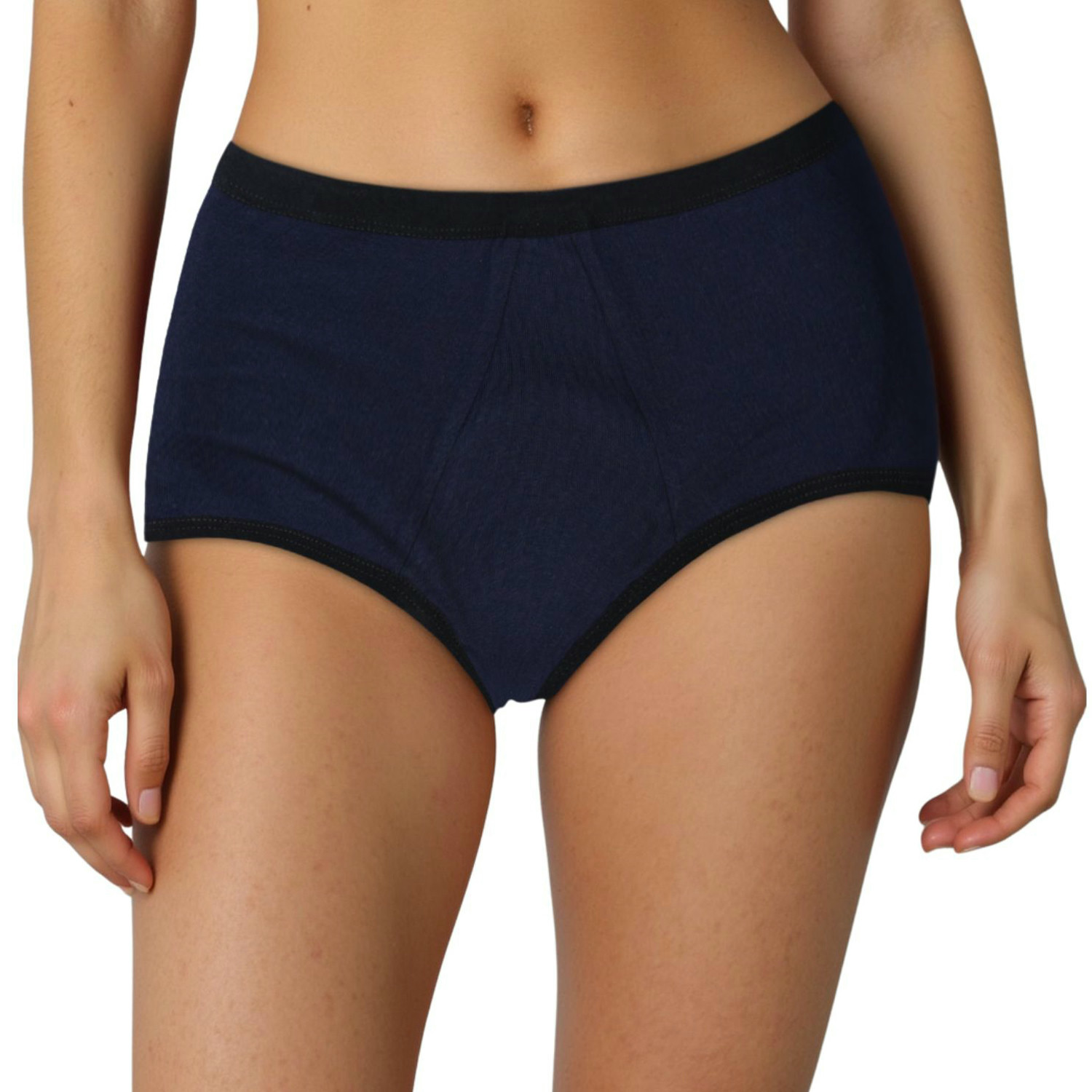
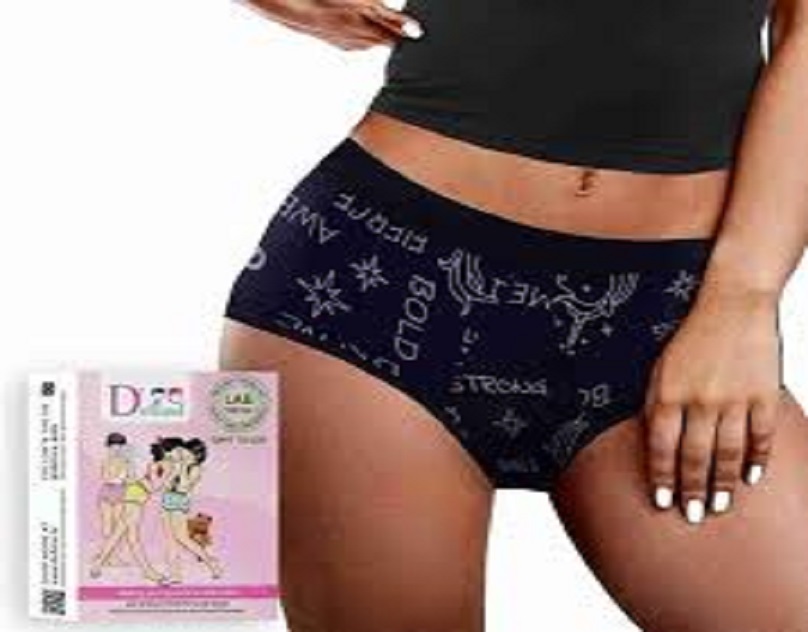
Early versions of reusable period products often faced criticism for being cumbersome or unreliable. Contemporary offerings have addressed nearly every concern. Menstrual cups are now available in medical-grade silicone with different firmness options, rim shapes, and removal aids that make insertion and extraction far more intuitive. Period underwear relies on sophisticated multi-layer constructions that wick moisture away, control odor naturally, and lock in flow even during heavier days while maintaining the look and feel of ordinary lingerie.
Washable pads have evolved into streamlined, snap-secure designs featuring soft organic cotton tops and waterproof yet breathable backings. Menstrual discs offer an alternative collection method that many find more comfortable for certain activities or anatomies. The range of sizes, absorbencies, and aesthetics now accommodates diverse bodies, flows, and lifestyles with precision.
Market Momentum and Changing Priorities
The global lingerie category including bras, shapewear, knickers, camisoles, and performance intimates continues to expand steadily. Industry observers note that Asia Pacific remains a particularly dynamic region within this space. Factors such as growing female workforce participation, rapidly shifting fashion preferences, widespread social media influence, and high-profile endorsements are collectively propelling demand for more versatile and purposeful undergarments.
Within this landscape, reusable period underwear stands out as a product that marries everyday wearability with meaningful utility. Shoppers increasingly seek intimate apparel that performs multiple roles comfort, confidence, and reduced environmental impact all in one garment.
E-Commerce Removes Traditional Barriers
In fast-growing digital markets, online platforms have dramatically improved access to specialized menstrual products. India's online fashion retail sector, for example, continues to experience strong expansion, with women's apparel and intimates consistently forming the largest share of purchases. The convenience of browsing from home, reading unfiltered user reviews, viewing detailed sizing charts, and watching instructional videos has lowered the entry hurdle for first-time users.
Flexible payment methods including digital wallets and cash-on-delivery combined with discreet packaging and reliable delivery networks, make experimentation feel low-risk. These digital advantages are especially powerful in regions where physical retail options for reusable period products remain limited.
Why the Switch Feels Worth It
While planetary health remains a primary driver, practical benefits often seal the decision. Most users recover the initial investment within the first one to two years through reduced monthly spending. Beyond finances, many describe newfound freedom: no more emergency store runs, fewer unexpected leaks during workouts or overnight, and noticeably less irritation for those sensitive to fragrances, dyes, or bleached materials in conventional disposables.
Long-term financial advantage after the break-even point
Superior reliability for active days, travel, and sleep
Decreased contact with synthetic additives and potential irritants
Tailored solutions that match individual flow patterns and preferences
Addressing the Learning Curve Honestly
No transition is frictionless. Mastering a menstrual cup can require several cycles of trial and adjustment. Period underwear demands consistent laundering and occasionally needs reinforcement on peak flow days. The higher upfront price compared with a single pack of disposables can give pause.
Fortunately, resources have multiplied. Brand-provided fit guides, community discussion boards, hybrid starter routines, and introductory trial kits help smooth the path. Many people begin by layering methods pairing a cup or disc during the day with absorbent underwear for backup before settling into a single preferred system.
Innovation That Listens to Users
Manufacturers continue refining their lines based on real-world feedback. Newer period underwear incorporates quicker-drying textiles and longer-lasting antimicrobial properties. Cups appear in graduated firmness profiles and more visible colors to simplify cleaning. Direct-to-consumer labels regularly introduce fresh patterns, extended size ranges, and body-positive campaigns that broaden appeal.
Social media has accelerated acceptance by turning personal experiences into communal knowledge. Open conversations, side-by-side comparisons, and problem-solving threads have stripped away much of the former secrecy and uncertainty surrounding reusable options.
A Quiet but Powerful Shift
The rising preference for reusable period products signals more than a passing preference it reflects a deepening alignment between personal values and daily routines. As intimate apparel evolves to meet both aesthetic and functional expectations, and as digital channels continue democratizing access, these sustainable solutions are transitioning from specialty choice to everyday standard for an expanding audience.
Each adoption prevents thousands of single-use items from entering circulation over the product's lifespan. When multiplied across households and communities, these seemingly modest decisions accumulate into substantial, lasting environmental benefit one cycle, one garment, one avoided wrapper at a time.
Frequently Asked Questions
Are reusable period products like menstrual cups and period underwear worth the investment?
Yes while reusable period products have a higher upfront cost than disposables, most users recoup their investment within one to two years through reduced monthly spending. A menstrual cup can last up to ten years, and high-quality period underwear withstands several years of regular use, making them a smart long-term financial choice. Beyond savings, users often report fewer leaks, less skin irritation, and the freedom of not needing emergency store runs.
How do reusable menstrual products help the environment?
Conventional pads and tampons contain plastic components applicators, backings, and wrappers that can take centuries to degrade, contributing to landfill pressure and microplastic pollution in waterways. Switching to reusable alternatives like menstrual cups or washable period underwear can prevent thousands of single-use items from entering the waste stream over a product's lifespan. Multiplied across millions of users, these individual choices add up to a measurable reduction in environmental impact.
What should beginners know before switching to reusable period products?
There is a learning curve mastering a menstrual cup may take a few cycles, and period underwear requires consistent laundering to maintain performance. Many first-time users find it helpful to start with a hybrid approach, pairing a cup or disc during the day with absorbent period underwear as backup, before settling on a preferred system. Brands now offer fit guides, starter kits, and online communities that make the transition significantly smoother.
Disclaimer: The above helpful resources content contains personal opinions and experiences. The information provided is for general knowledge and does not constitute professional advice.
You may also be interested in: Why Teens Are Turning to Period Panties Over Traditional Pads
Finding the right intimate wear can be tough, especially when bras pinch, slip, or don't provide enough support during school or play. Whether you're a teen girl or a young woman, we understand the frustration. That's why DChica created India's first teen-focused innerwear collection breathable cotton designs with adjustable straps, high coverage, and leakproof period panties. Our bras, camisoles, period panties, and shapewear offer the perfect balance of comfort and support. Celebrate your growth and confidence every day at DChica. Shop now!
Menstrual health is finally getting the attention it deserves, many people still feel uncertain about which product suits them best. Pads, tampons, menstrual cups, and period pants each bring disti