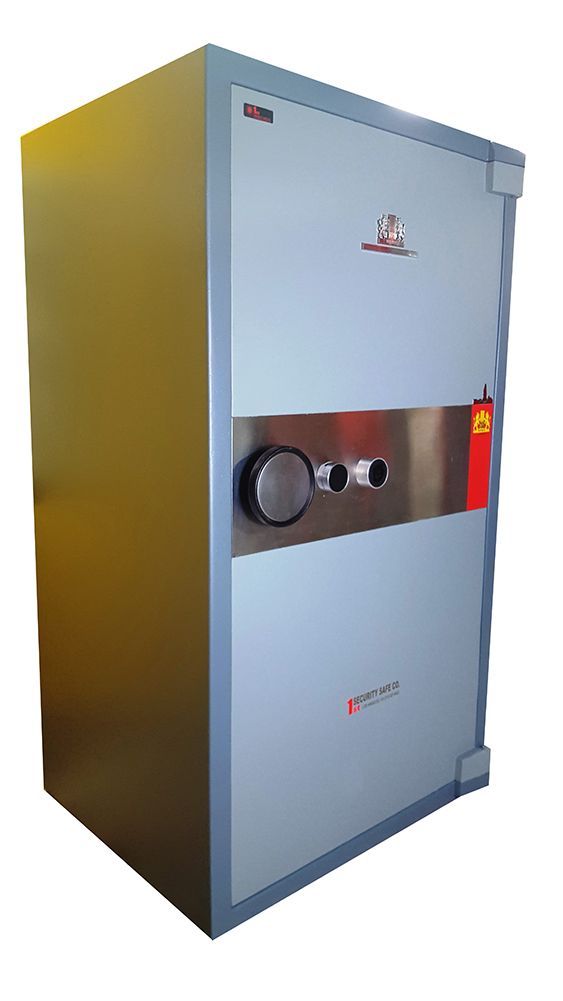
Security technology has evolved rapidly over the last several decades, transforming how people protect valuables, sensitive documents, cash, and confidential information. Traditional safes with mechanical dial locks were once considered the highest standard of protection for homes and businesses. However, the rise of advanced digital security systems has changed expectations regarding convenience, monitoring, and resistance against modern threats. Many people now question whether a safe can be hacked and whether digital systems truly provide stronger protection than older mechanical designs. Understanding the differences between these technologies helps clarify why modern encrypted security solutions often outperform traditional dial based mechanisms.
Mechanical dial safes operate through a system of rotating discs, wheels, and locking components that align according to a specific combination sequence. These systems have historically been respected for their durability and independence from electricity or batteries. Because of their mechanical construction, many users assume they are impossible to compromise electronically. While mechanical locks do avoid certain digital vulnerabilities, they are not immune to manipulation or unauthorized access.
One of the most common weaknesses of mechanical dial systems involves physical manipulation techniques. Skilled individuals may attempt to identify lock positions through sound, touch sensitivity, vibration analysis, or movement resistance during operation. Mechanical wear over time can also create predictable patterns that experienced intruders may exploit. In some cases, repeated usage causes internal components to loosen slightly, making the lock easier to analyze. A safe relying solely on mechanical protection may therefore become vulnerable without the owner realizing it.
Advanced digital safes approach security differently by combining electronic authentication with encrypted access control systems. Modern digital locking mechanisms use secure processors, randomized code structures, and encrypted communication to prevent unauthorized entry attempts. Unlike mechanical combinations that remain fixed until manually changed, digital systems allow users to update access credentials quickly whenever necessary. This flexibility significantly improves overall security management.
Encryption is one of the strongest advantages offered by digital safe technology. Advanced encryption methods convert access information into protected digital data that is extremely difficult to interpret without proper authorization. Secure encryption protocols help prevent code interception, unauthorized duplication, and system manipulation. Even if someone gains temporary access to the device, encrypted systems are designed to prevent direct extraction of usable security information.
Another major advantage of digital safes is access monitoring. Traditional mechanical systems generally provide no record of entry attempts or user activity. Owners cannot determine whether someone attempted unauthorized access unless physical damage becomes visible. Modern digital systems can maintain detailed activity logs showing access times, failed attempts, and authentication records. This monitoring capability improves accountability and allows users to identify suspicious behavior more quickly.
Digital authentication methods also provide stronger access customization. Mechanical dial locks usually depend on a single combination shared among authorized users. If the combination becomes compromised, changing it may require complex manual adjustment or professional servicing. A digital safe allows owners to create multiple user profiles, temporary access codes, or biometric verification methods with far greater efficiency. Businesses especially benefit from this flexibility because access permissions can be adjusted immediately when staffing changes occur.
Biometric technology has further strengthened modern digital safe security. Fingerprint recognition systems use advanced scanning techniques to analyze unique physical characteristics that are extremely difficult to replicate accurately. Many modern safes combine biometric authentication with passwords or encrypted credentials to create multiple layers of protection. This layered security approach significantly increases resistance against unauthorized access attempts.
Another important advantage of digital systems involves resistance against brute force attacks. Mechanical dial safes may eventually be opened through repeated combination testing if sufficient time and access are available. Advanced digital systems often include automatic lockout features after multiple failed attempts. Some models also trigger alarms, notifications, or temporary access restrictions when suspicious activity is detected. These features discourage repeated attacks and provide faster response opportunities.
Remote monitoring capabilities also improve digital safe security. Some advanced systems allow owners to receive alerts through connected devices whenever unauthorized attempts occur or when the safe is opened unexpectedly. Real time monitoring enables quicker action during potential security incidents. Mechanical safes cannot provide this level of communication or situational awareness.
Despite these advantages, some individuals continue believing that digital safes are easier to hack because they involve electronic systems. While poorly designed products may contain vulnerabilities, high quality digital safes are engineered with strong cybersecurity protections. Reputable manufacturers use secure firmware, encrypted communication channels, and protected authentication systems to reduce risk significantly. In many cases, attacking a professionally designed digital safe requires far more expertise and resources than manipulating older mechanical systems.
Battery dependence is another concern frequently associated with digital safes. Some users worry that electronic systems become useless during power failure. However, most modern digital safes include long lasting battery systems, emergency power options, or backup access methods to maintain reliability. Low battery alerts provide advance warning before power loss occurs, reducing the likelihood of unexpected lockouts.
Convenience also contributes indirectly to stronger security. Mechanical dial locks can be time consuming and difficult to operate accurately, especially during stressful situations or low visibility conditions. Frustration may encourage users to store combinations insecurely or avoid locking the safe consistently. Digital systems simplify daily operation through keypads, biometric scanners, or mobile integration, making secure usage more practical and consistent.
Commercial environments increasingly prefer encrypted digital safes because they support stronger operational control. Businesses handling sensitive records, financial assets, or regulated materials require detailed access management and accountability. Digital systems provide centralized monitoring, customizable permissions, and audit capabilities that traditional mechanical systems cannot easily offer. These features improve internal security policies while reducing administrative complexity.
Another advantage of digital security involves software updates. Manufacturers can improve encryption strength, fix vulnerabilities, and enhance system performance through firmware improvements. Mechanical systems lack this adaptability because their protection relies entirely on fixed physical components. As security threats evolve, update capability becomes increasingly valuable for maintaining long term protection standards.
Physical construction remains important regardless of locking technology. A secure safe requires durable materials, reinforced hinges, drill resistant plates, and tamper resistant structures in addition to advanced locking mechanisms. The strongest protection comes from combining robust physical engineering with modern encrypted authentication systems. Digital security alone cannot compensate for weak structural design.
Consumer education also plays a critical role in overall safe security. Users should select products from reputable manufacturers, follow proper installation guidelines, and maintain strong access credentials. Weak passwords, neglected updates, or improper usage can reduce the effectiveness of even advanced systems. Responsible security practices remain essential for both residential and commercial applications.
Ultimately, modern digital encryption technologies provide important advantages over traditional mechanical dial systems in terms of flexibility, monitoring, authentication, and resistance against unauthorized access. While no security solution is completely immune to attack, advanced encrypted systems offer multiple layers of protection that significantly improve security management and operational control. A well designed digital safe combines physical durability with intelligent encryption features to create stronger defense against modern threats. As technology continues advancing, encrypted digital protection is likely to become the preferred standard for individuals and organizations seeking reliable, adaptable, and highly secure storage solutions for valuable assets and confidential information worldwide today.
Visit us : https://myafbsafe.com.sg