Pregnancy often brings major dietary changes. Many women look for nutrient-rich foods and drinks that support both maternal health and baby development. Beetroot juice continues to gain attention during pregnancy because of its vitamin, mineral, and antioxidant content.
Still, many people ask whether consuming beetroot juice during pregnancy remains safe throughout all stages of pregnancy.
The short answer is yes. In moderate amounts, beetroot juice often fits into a healthy pregnancy diet for many women. It contains nutrients linked to circulation, iron support, hydration, and fetal development. However, excessive intake and certain health conditions still require caution.
Understanding the benefits, possible side effects, and proper intake helps pregnant women make informed nutritional choices.
Nutritional Value of Beetroot Juice During Pregnancy
Beetroot juice contains several nutrients important during pregnancy.
Key Nutrients in Beetroot Juice
Beets provide:
- Folate
- Iron
- Potassium
- Vitamin C
- Antioxidants
- Dietary nitrates
These nutrients support blood production, circulation, and overall wellness during pregnancy.
Why Folate Matters During Pregnancy
Folate remains one of the most important nutrients during pregnancy.
Supports Fetal Development
Folate helps support healthy neural tube development in early pregnancy.
Healthcare providers often recommend adequate folate intake because it supports:
- Brain development
- Spinal cord formation
- Healthy fetal growth
Beetroot naturally contains folate, making it a useful addition to balanced prenatal nutrition.
Beetroot Juice Pregnancy Benefits for Circulation
Pregnancy increases demands on the cardiovascular system.
Supports Healthy Blood Flow
The nitrates in beetroot convert into nitric oxide, which helps relax blood vessels and improve circulation.
Improved circulation supports:
- Oxygen delivery
- Blood vessel function
- Nutrient transport
- Cardiovascular health
Research published by the National Institutes of Health links dietary nitrates with improved vascular function and circulation support.
Healthy circulation matters during pregnancy because blood volume increases significantly.
Beet Juice While Pregnant and Iron Support
Iron plays an important role during pregnancy.
Why Iron Intake Matters
Pregnant women require more iron to support increased blood production.
Iron supports:
- Oxygen transport
- Red blood cell production
- Energy levels
- Maternal health
Beetroot contains iron, though it should not replace iron-rich foods or prescribed supplements when needed.
Hydration and Pregnancy Wellness
Hydration becomes especially important during pregnancy.
Beetroot Juice Supports Fluid Intake
Many women struggle with hydration due to nausea, food aversions, or fatigue.
Beetroot juice contributes to daily fluid intake while providing nutrients at the same time.
Replacing sugary drinks with fresh beet juice often supports healthier beverage choices.
Antioxidants in Beetroot Juice
Pregnancy increases oxidative stress within the body.
Antioxidants Support Cell Protection
Beets contain antioxidants such as:
- Betalains
- Vitamin C
- Polyphenols
These compounds help protect cells from oxidative stress and inflammation.
Balanced antioxidant intake supports overall wellness during pregnancy.
Can Pregnant Women Drink Beet Juice Safely?
For most healthy pregnancies, moderate intake remains safe.
Moderation Matters
Drinking excessive amounts of beet juice while pregnant is not recommended.
Large quantities increase exposure to:
- Natural sugars
- Oxalates
- Dietary nitrates
Balanced intake works better than consuming large servings daily.
Possible Side Effects of Beetroot Juice During Pregnancy
Beetroot juice works well for many pregnant women, though side effects still occur in some cases.
Common Side Effects
Possible side effects include:
- Red or pink urine
- Mild bloating
- Digestive discomfort
- Temporary stomach upset
These effects usually remain harmless.
Beetroot Juice and Kidney Stone Concerns During Pregnancy
Beets contain oxalates, which matter for some individuals.
Oxalates and Kidney Stone Risk
Women with:
- Kidney stone history
- Kidney disease
- Oxalate sensitivity
should speak with a healthcare provider before regular intake.
Excessive oxalate consumption increases kidney stone risk in susceptible individuals.
Beet Juice While Pregnant and Blood Sugar
Beetroot juice contains natural sugars.
Why Portion Control Matters
Juicing removes much of the fiber found in whole beets, allowing sugars to absorb more quickly.
Pregnant women managing:
- Gestational diabetes
- Blood sugar concerns
- Insulin resistance
should monitor portion sizes carefully.
Smaller servings alongside meals usually work better.
Is Fresh Beetroot Juice Better During Pregnancy?
Fresh juice often provides better ingredient control.
Benefits of Homemade Beetroot Juice
Homemade juice allows you to avoid:
- Added sugar
- Artificial preservatives
- Excess sodium
- Processed ingredients
Fresh preparation also preserves more nutrients.
Homemade Beetroot Juice Recipe for Pregnancy
Simple recipes often work best during pregnancy.
Pregnancy-Friendly Beet Juice Recipe
Ingredients:
- 1 medium beet
- 1 carrot
- Half a cucumber
- Small piece of ginger
- Half a lemon
Instructions:
- Wash and peel ingredients.
- Blend or juice thoroughly.
- Drink fresh in moderate portions.
This combination supports hydration and nutrient intake without excessive sugar. If you do not have time — or do not want the hassle of washing, peeling, and blending vegetables every day during pregnancy — ready-made beetroot juice can be a practical option in moderation.
If you are searching for where to buy beetroot juice, consider convenient bottled options like Beet It US, which offers processed beetroot juice with slightly natural sugar content due to added fruit juice for taste.
Beetroot Juice vs Whole Beets During Pregnancy
Whole vegetables often provide additional digestive benefits.
Why Whole Beets Offer Advantages
Whole beets contain fiber, which helps:
- Improve digestion
- Support fullness
- Slow sugar absorption
- Reduce constipation risk
Many women benefit from including both whole beets and moderate juice intake in balanced diets.
Who Should Use Extra Caution?
Certain pregnancy conditions require medical guidance.
Speak with a Healthcare Provider If You Have:
- Gestational diabetes
- Kidney disease
- Kidney stone history
- Low blood pressure
- High-risk pregnancy complications
Personalized medical advice matters during pregnancy.
Final Thoughts
Beetroot juice pregnancy nutrition continues to attract attention because of its folate, iron, antioxidant, and circulation-supporting properties. For many healthy women, moderate intake fits well into a balanced pregnancy diet.
Drinking beet juice while pregnant may support hydration, blood flow, and nutrient intake, though moderation remains important. Women with gestational diabetes, kidney concerns, or high-risk pregnancies should seek medical guidance before regular consumption.
Balanced nutrition, proper hydration, and prenatal medical care remain the foundation of a healthy pregnancy. Beetroot juice works best as one part of a well-rounded approach to maternal wellness.
Frequently Asked Questions
Is beetroot juice pregnancy consumption safe?
Yes. Most healthy pregnant women tolerate moderate beetroot juice intake well.
Can I drink beet juice while pregnant every day?
Small daily servings often work well, though excessive intake should be avoided.
Does beetroot juice help iron levels during pregnancy?
Beets contain iron, which supports healthy blood production, though they should not replace medical treatment or supplements.
Can beetroot juice lower blood pressure during pregnancy?
The nitrates in beets support circulation and blood vessel relaxation, which may influence blood pressure.
Is homemade beetroot juice better during pregnancy?
Fresh homemade juice often contains fewer additives and less sugar than processed options.
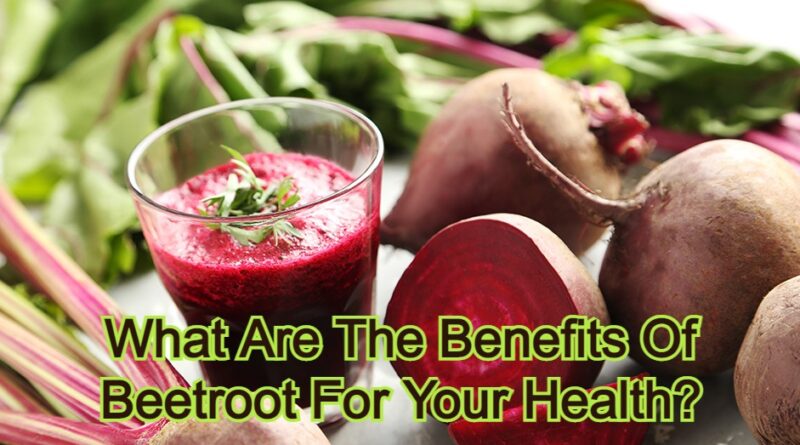
What Are The Benefits Of Beetroot For Your Health?
: Beetroot is one of the vegetables whose root we also use as food.
It is used in three ways, first is made into a salad, the 2nd is boiled and eaten and the 3rd is Make Juice.
The juice is also preferred.Beetroot is very common in winter, its juice is very popular in salads.
Rich in fiber, folate, magnesium, potassium, iron, and vitamin C, beetroot protects against many physical ailments.In summer, people usually use it mixed with carrot juice, thus increasing its effectiveness.In addition to sugar, beetroot also contains carbohydrates, protein, iron, fiber, sodium, zinc, potassium, magnesium, vitamin B, and vitamins.Before eating beetroot or making beetroot juice, clean or wash it thoroughly.
Remove the foam from the juice & drink it.