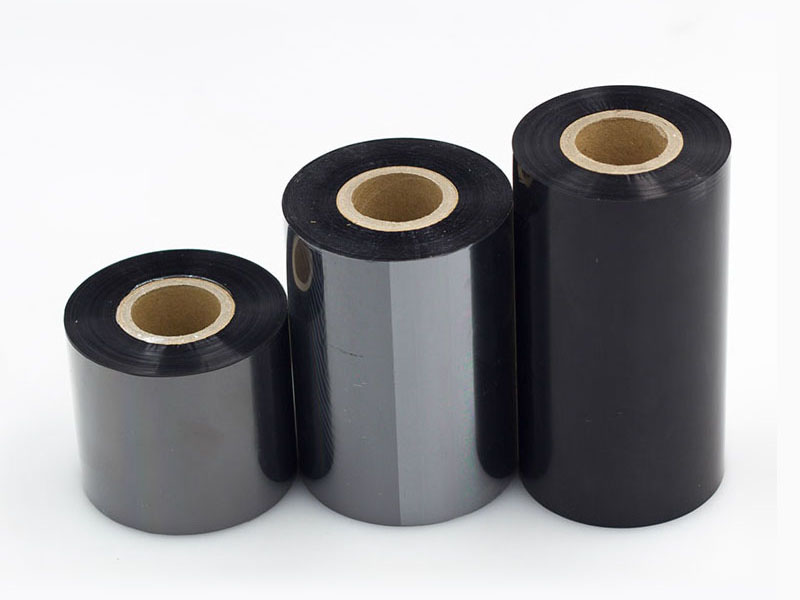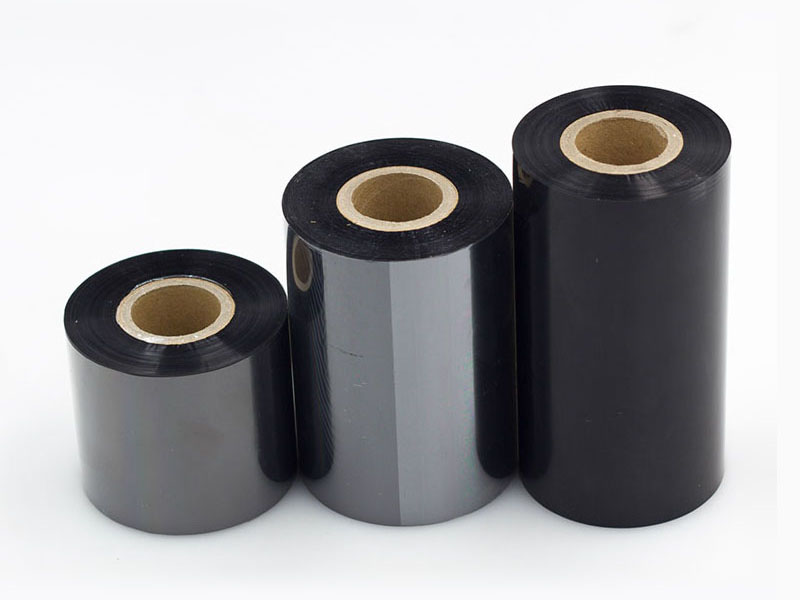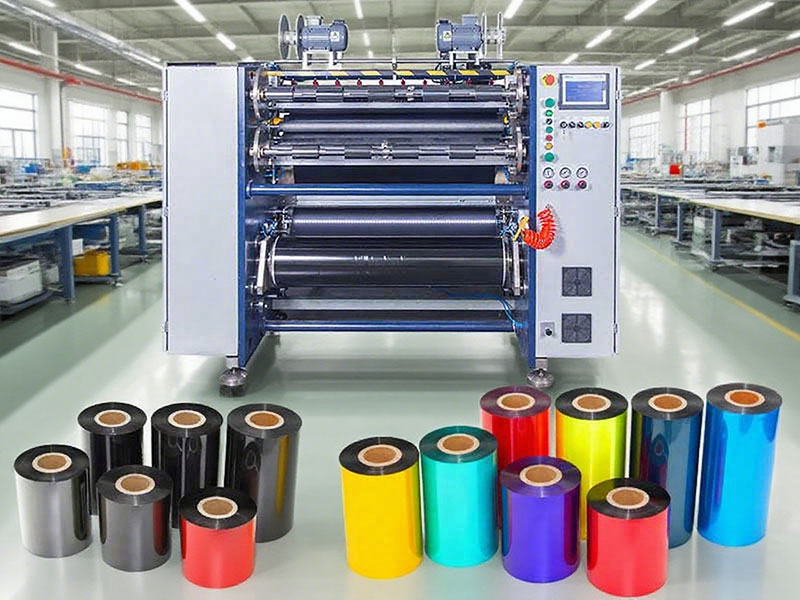
In the production process of heat transfer ribbons, the slitting stage is a key step that determines the quality of the finished product and the efficiency of delivery. However, the trend of multi-specification, small-batch orders has made "frequent specification changes" an efficiency bottleneck for many ribbon manufacturers—each change in width, material, or winding length often requires more than half an hour of downtime to adjust, which not only drains production capacity but also disrupts production schedules.
How can you shorten the time required to change specifications by 50%? This is not an exaggerated slogan, but rather a practical solution centered around three core elements: a modular order exchange system, intelligent parameter preset, and a quick-lock structure. Below, we will start from real pain points and break down the technical logic and implementation path.
Ribbon slitting machine: Shortens specification change time by 50%, solving pain points in production switching
1. Resolving the pain point: Where exactly is the specification change getting stuck?
Traditional ribbon slitting machine specification changes usually involve five steps:
1. Disassembly and assembly of the blade set: Adjust the position of the slitting round blade or replace the blade pad according to the width of the new carbon ribbon specification. Some older models require loosening screws one by one and measuring positioning, taking 15-20 minutes.
2. Reset tension parameters: ribbons of different widths, thicknesses, and substrates (wax-based, mixed-based, resin-based) have varying tension requirements for unwinding, rewinding, and roll rolling. Operators input items one by one based on experience, which is prone to errors and requires trial verification.
3. Replace the rewinding core: For paper tubes with different inner diameters (such as 1 inch, 0.5 inches) or length specifications, replace the compatible core or install a reducer sleeve.
4. Strap Penetration and Alignment: Re-pass the film path and adjust the position of the edge alignment sensor.
5. Trial cutting and waste: The first meter loss is usually between 20-50 meters, until the finished product edges are neat and the roll hardness meets standards.
Overall, the actual downtime for a routine specification change is25-45 minutes. For workshops that switch specifications 5-8 times a day, just switching waste is equivalent to losing 2-3 hours of effective production capacity per piece of equipment.
Ribbon slitting machine: Shortens specification change time by 50%, solving pain points in production switching
2. Core Solution: Three Strategies to Halve Specification Change Time
1. Modular tool group + offline presetting — tool change from 20 minutes to 3 minutes
The traditional method is to adjust each blade on the machine. The solution was changed to:
• Modular tool group: Integrates the slitting circular blade, spacer washer, and lower anvil roller into a quick-release "tool box." Each cartridge corresponds to a fixed slitting width combination.
• Offline presetting station: During equipment operation, operators pre-install and lock the tool cartridge on the dedicated tooling by pressing the width combination for the next order. When changing specifications, simply remove the old cartridge, push it into the new cartridge, and clamp it pneumatically with one button.
• Result: Tool change time was reduced from an average of 20 minutes to under 3 minutes, and human positioning errors were eliminated.
2. Parameter recipe library and one-click access — say goodbye to resetting parameters every time
Most companies still rely on operators manually entering or flipping through paper process cards. Proposal suggestions:
• Establish an electronic process recipe database: preset more than 20 parameters such as tape type (e.g., "mixed base 110mm×300m"), width, thickness, and winding hardness grade, including unwinding tension taper curve, winding pressure roller pressure, slitting speed, acceleration and deceleration time, etc.
• QR code or menu call: The operator scans the work order barcode or selects the order number on the lower computer, and the PLC automatically downloads all parameters to the inverter, servo, and tension controller.
• Effect: Parameter settings are reduced from 8-12minutes to within 10 seconds, and avoid trial cut failure caused by incorrect digits.
3. Quick change reel + self-centering chuck — reduces mechanical adjustment time
Structural improvements on the winding side are often overlooked, but their contribution is clear:
• Uses an air-expanding shaft and segmented chuck: The same shaft can be switched to an effective diameter via an internal airbag, compatible with 1-inch and 0.5-inch paper tubes, without the need to remove the shaft core.
• Self-centering tailstock: automatically centered after being pushed into the shaft core, eliminating the need to repeatedly adjust the ejector pin position.
• Result: Switch change and centering time reduced from 5-8 minutes to 1 minute.
Ribbon slitting machine: Shortens specification change time by 50%, solving pain points in production switching
3. Additional Efficiency: Auxiliary functions further reduce non-downtime time
• Tape guide slot and pneumatic pull tape: preset color mark trajectory, new carbon ribbon can be quickly guided along the guide groove, and combined with low air pressure, the film head is introduced into the winding core. Strap insertion reduced from 3 minutes to 30 seconds.
• Edge sensor memory returns: After the previous order is completed, the sensor automatically returns to the origin; After selecting the new specification, the servo motor drives to the memory position without manual adjustment.
• Automatic tail cutting and tape application: When changing specifications, it automatically cuts off waste tails and applies the end tape, reducing manual processing time.
Ribbon slitting machine: Shortens specification change time by 50%, solving pain points in production switching
4. Real Data: How Is 50% Calculated?
Taking a test from a medium-sized ribbon coating and slitting enterprise as an example:
• Before renovation: average specification change time is 3to 6 minutes per session (including first meter debugging).
• After applying the above solution:
◦ Modular Cutter Magazine Replacement: 3 minutes
◦ Recipe call + automatic parameter distribution: 0.5 minutes
◦ Quick reel switching: 1 minute
◦ Fast strap threading + sensor return: 1.5 minutes
◦ First meter verification (very short, due to precise parameters): 1 minute
• Total time is about 7 minutes.
36 minutes → 7 minutes, a reduction of over 80%. Even considering actual workshop differences, conservatively achieving a 50% reduction (i.e., reducing to under 18 minutes) is entirely feasible.
Ribbon slitting machine: Shortens specification change time by 50%, solving pain points in production switching
5. Implementation Suggestion: Not buying new equipment, but upgrading the mindset
For enterprises that already have an organic type, there is no need to eliminate all equipment:
1. Prioritize upgrading the tool holder structure: Custom quick-release tool cartridge components cost about 20,000 to 40,000 yuan per unit, with an ROI cycle usually less than 3 months.
2. Upgrade the control system: If existing PLCs support formula storage, only human-machine interface formula modules need to be developed; Older models can be equipped with independent industrial control screens.
3. Replacement of the winding end air expansion shaft: Standard parts are mature, and the replacement cost per shaft is 2000-5000 yuan.
Conclusion
The long time to change specifications in ribbon slitting machines essentially consumes both "mechanical adjustment time" and "manual decision-making time." Through modular tool sets, parameter recipe libraries, and quick-change shaft structures, switching downtime can be compressed to under 10 minutes. Every minute shortened directly converts into order-ready capacity. In the generally low-margin competitive environment of the film and tape industry, a 50% increase in order change efficiency may be the starting point to widen the gap with competitors.
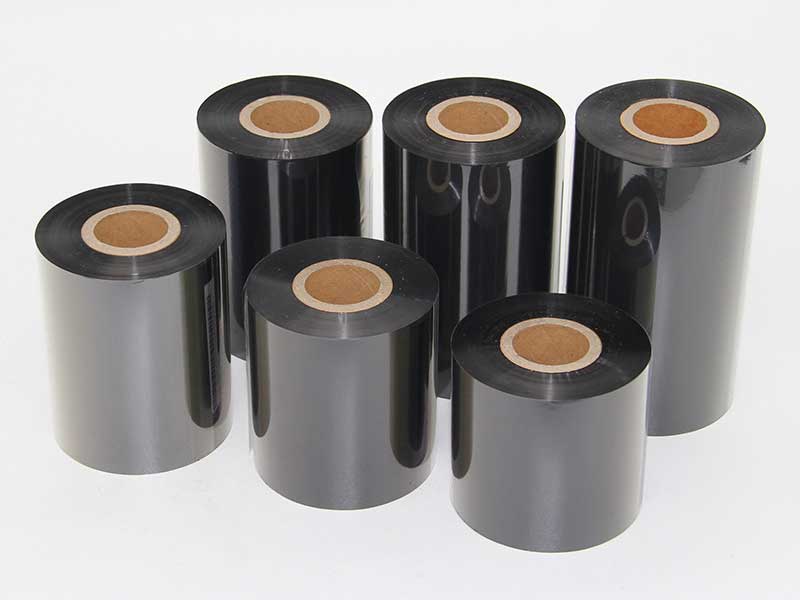
In the field of precision slitting processing of materials such as heat transfer ribbons, packaging films, and electronic films, the issue of film material vibration during the low-speed startup ph