


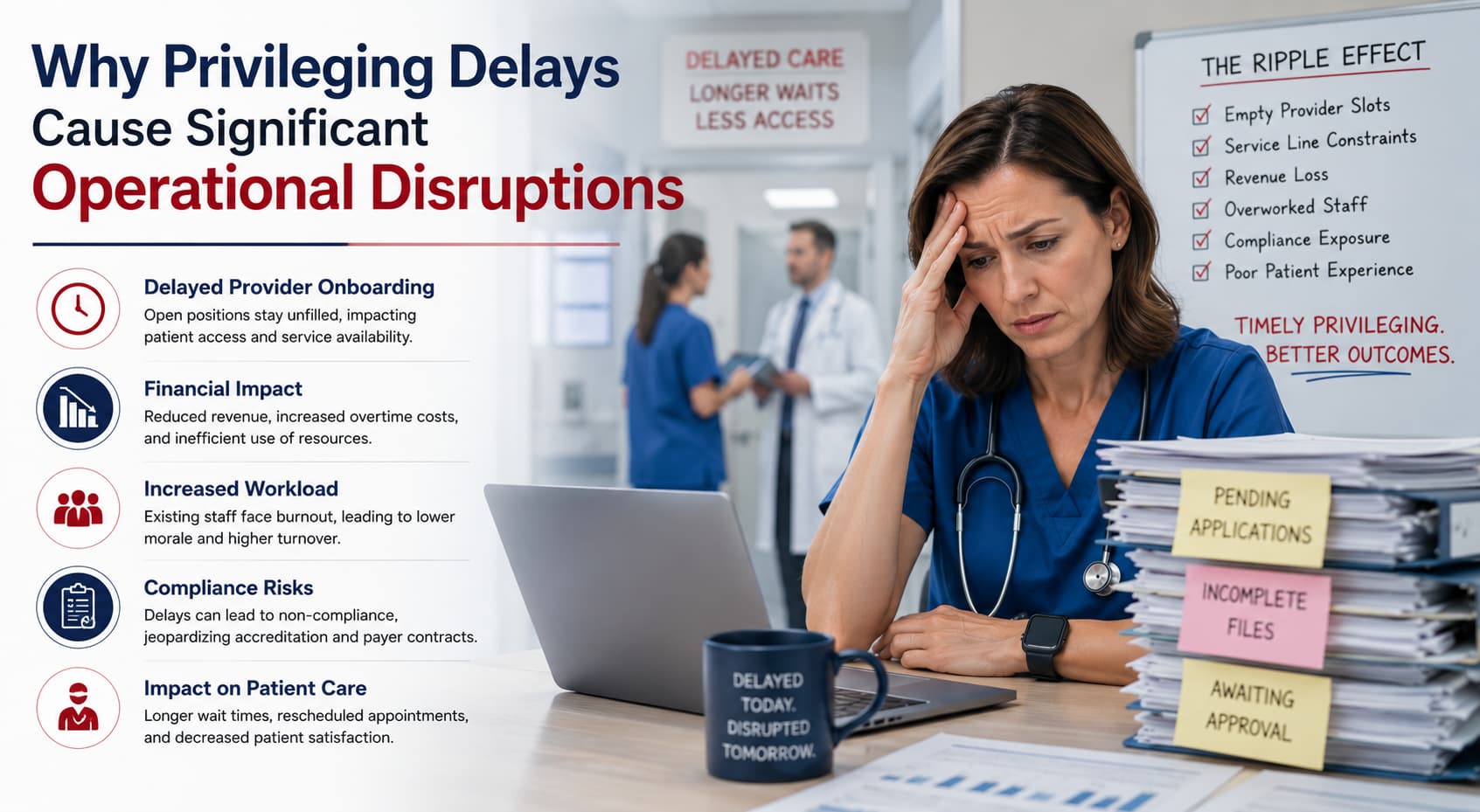
Hospitals are built around coordination. Patient scheduling, operating room availability, staffing plans, reimbursement timelines, and care delivery all rely on providers being ready to practice at the right time. When approvals slow down, the effects spread well beyond administration. Many healthcare organizations use Hospital Privileging Services to keep these processes moving because even short delays can trigger larger operational challenges.
Imagine hiring an experienced surgeon for a growing service line. Recruitment is complete. The provider has relocated. Staff schedules are prepared. Yet the physician cannot begin procedures because privileges are still pending. In many organizations, that single delay creates a chain reaction across departments.
Privileging may look like a compliance step on paper, but operationally it acts more like a gatekeeper.
Understanding Why Privileging Matters in Hospital Operations
Privileging determines what procedures, treatments, and clinical responsibilities a provider can perform within a healthcare organization.
Licensure confirms the right to practice medicine. Privileging confirms the right to perform specific activities inside that facility.
Privileging Extends Beyond Credentials
Hospitals evaluate multiple factors before granting privileges.
These often include:
Clinical training
Procedural experience
Competency history
Specialty certifications
Case logs
Peer evaluations
Organizations using Hospital Privileging Services frequently coordinate these reviews because each privilege request requires supporting evidence.
A cardiologist, for example, may receive approval for some procedures while additional reviews continue for others.
Why Hospitals Depend on Timely Approvals
Provider availability directly affects operations.
If privileges remain incomplete, hospitals may face:
Delayed appointments
Reduced procedure volume
Coverage shortages
Scheduling disruptions
One pending file can impact several teams simultaneously.
Hospital administrators often compare privileging to opening access doors. The provider may already be inside the building, but without clearance, clinical work cannot begin.
Privileging Is Continuous
Many people associate privileging with onboarding only.
In reality, hospitals manage ongoing activities such as:
Reappointments
Expanded privilege requests
Competency reviews
Performance monitoring
As provider counts increase, these responsibilities grow rapidly.
Staffing Disruptions Begin Almost Immediately
Operational strain often appears first in staffing models.
Hospitals plan coverage carefully. Delays can undo those plans quickly.
Clinical Departments Experience Coverage Gaps
Suppose a hospital recruits an orthopedic surgeon because existing physicians are overloaded.
Patient demand rises. Procedure schedules expand. Staff prepare for increased volume.
Then privileging is delayed by several weeks.
Existing surgeons continue carrying the workload.
Patient wait times remain high.
Operating room schedules stay below expected capacity.
Hospitals relying on Hospital Privileging Services often prioritize turnaround times because staffing shortages affect daily operations almost immediately.
Existing Teams Face Higher Workloads
Coverage gaps rarely disappear quietly.
Other providers absorb additional patients, procedures, and call responsibilities.
Over time this may contribute to:
Burnout
Schedule instability
Fatigue
Reduced productivity
A temporary delay can become a long-term workforce issue if the backlog continues.
Recruitment Efforts Lose Momentum
Provider recruitment requires significant investment.
Organizations spend months sourcing candidates, negotiating agreements, and preparing onboarding.
Delayed privileges postpone the return on that effort.
The provider arrives, but productivity remains paused.
This is especially challenging for hospitals expanding specialty lines or opening new programs.
Financial Effects Reach Multiple Departments
Privileging delays are operational problems first, but they quickly become financial concerns.
Delayed Services Mean Delayed Revenue
A provider generally cannot perform restricted services until privileges receive approval.
Examples include:
Surgeries
Admissions
Specialty procedures
Consultations
Consider a new gastroenterologist expected to perform endoscopic procedures immediately after onboarding.
If privileges stall for one month, that entire production window disappears.
Hospitals using Hospital Privileging Services often track approval timelines closely because provider productivity directly influences revenue performance.
Resource Planning Becomes Inefficient
Hospitals allocate resources based on expected activity.
These plans may include:
Operating room schedules
Nursing assignments
Equipment allocation
Procedure blocks
If providers cannot begin work, those resources may sit underutilized.
Unused capacity still carries cost.
Temporary Coverage Increases Expenses
Coverage shortages often require alternative solutions.
Organizations may rely on:
Locum providers
Overtime staffing
Schedule adjustments
Contract support
While useful, these solutions often increase expenses.
Preventing delays is usually less costly than compensating afterward.
Administrative Bottlenecks Frequently Cause Delays
Many privileging slowdowns do not stem from provider competency.
They come from process challenges.
Documentation Gaps Create Rework
Privileging requires detailed evidence.
Common documents include:
Case logs
Training records
Procedure history
References
Competency evaluations
Missing information often sends files backward.
For example, one incomplete peer reference may delay committee review even when everything else is finished.
Hospitals using Hospital Privileging Services often create standardized checklists to reduce these interruptions.
Committee Timelines Add Complexity
Many hospitals rely on formal review structures.
These may involve:
Department review
Credentials committee review
Medical executive committee approval
Board review
If meetings occur monthly, timing becomes critical.
Missing one cycle can extend timelines significantly.
Large systems sometimes face additional approval layers, creating further delays.
Coordination Across Teams Is Difficult
Privileging touches multiple stakeholders.
Medical staff offices review documentation.
Department chairs assess competency.
Credentialing teams verify records.
Leadership evaluates approvals.
Without coordination, information gaps appear quickly.
Organizations frequently strengthen workflows to improve visibility between teams.
Patient Care and Access Are Also Affected
Patients may never see the paperwork delays, but they often feel the results.
Appointment Availability Shrinks
Hospitals often recruit providers to solve access issues.
A delayed approval means those improvements remain unavailable.
Patients may experience:
Longer wait times
Delayed procedures
Rescheduled appointments
This becomes particularly difficult in specialties already facing provider shortages.
Program Expansion Slows
Hospitals launching new services depend on provider readiness.
Examples include:
New surgical programs
Behavioral health expansion
Specialty clinics
Advanced procedures
Delayed privileges postpone implementation timelines.
Growth plans move more slowly than expected.
Continuity of Care Can Be Interrupted
Coverage shortages sometimes redistribute patients among existing clinicians.
This may create inconsistencies in scheduling and follow-up care.
Operational disruptions therefore extend beyond staffing and finances.
They affect patient experience too.
Practical Strategies Hospitals Use to Reduce Delays
Hospitals cannot eliminate every challenge, but stronger processes improve outcomes.
Begin Reviews Earlier
Starting documentation collection before provider arrival reduces last-minute problems.
Early preparation allows teams to identify missing items sooner.
Standardize Documentation Requirements
Clear requirements reduce confusion.
Hospitals often organize workflows around:
Procedure logs
References
Training evidence
Competency files
Consistency improves efficiency.
Track Approval Metrics
Many organizations monitor:
Turnaround times
Pending files
Committee cycles
Approval backlogs
These metrics reveal bottlenecks before they grow.
Strengthen Cross-Team Communication
Privileging works best when departments share visibility.
Medical staff offices, leadership teams, and credentialing specialists benefit from transparent timelines.
Within many organizations, Dr Credentialing supports healthcare operations by helping teams navigate complex credentialing and privileging workflows more efficiently.
Frequently Asked Questions
What causes hospital privileging delays?
Common causes include incomplete documentation, committee scheduling issues, missing references, procedural log reviews, and coordination gaps between departments.
Can a provider start working before privileges are approved?
Providers may begin limited activities depending on policies, but restricted clinical duties generally require completed privileges.
How do privileging delays affect hospital finances?
Delays postpone procedures, reduce provider productivity, create staffing costs, and limit revenue opportunities.
Is privileging different from credentialing?
Yes. Credentialing validates qualifications, while privileging determines what services providers may perform inside the organization.
How can hospitals improve privileging efficiency?
Early preparation, standardized documentation, performance tracking, and coordinated workflows often improve timelines.
Privileging delays create far-reaching operational effects because hospitals depend on provider readiness to maintain staffing, patient access, and financial stability. Strong processes help reduce disruptions and improve onboarding efficiency. Many organizations strengthen these efforts by aligning Hospital Privileging Services with broader Provider Credentialing Services strategies to support smoother operations.


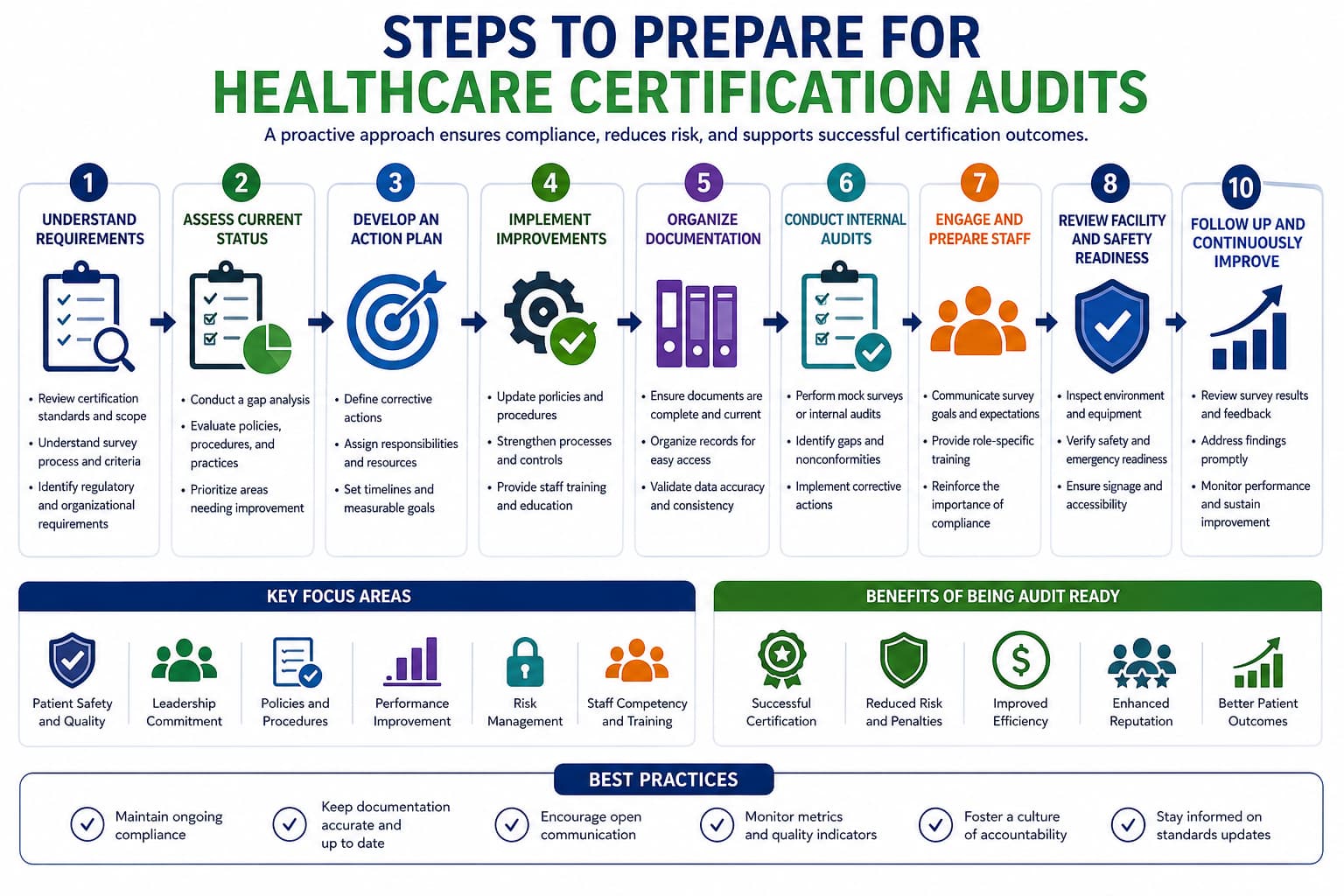
Healthcare certification audits are an essential part of maintaining compliance, ensuring quality care, and meeting regulatory standards. These audits evaluate whether healthcare organizations foll