In an era where sustainability shapes consumer decisions, reusable period products have gained widespread appeal as greener alternatives to single-use options. These items promise reduced waste, cost savings, and greater comfort. However, a significant concern has surfaced: many contain per- and polyfluoroalkyl substances (PFAS), persistent "forever chemicals" linked to serious health risks. A 2025 study published in Environmental Science & Technology Letters revealed PFAS in nearly 30% of tested reusable feminine hygiene products at levels suggesting intentional addition, particularly in period underwear and reusable pads. This finding challenges the eco-friendly image of these products and prompts critical questions about safety, transparency, and regulation.
The discovery carries special weight in the USA, UK, and India, where interest in reusables grows alongside efforts to combat plastic pollution and improve menstrual access. With potential links to hormonal disruption, immune issues, and certain cancers, the presence of these chemicals in intimate apparel demands attention from consumers, brands, and policymakers.
Finding the right intimate wear can be tough, especially when bras pinch, slip, or don't provide enough support during school or play. Whether you're a teen girl or a young woman, we understand the frustration. That's why DChica created India's first teen-focused innerwear collection breathable cotton designs with adjustable straps, high coverage, and leakproof period panties. Our bras, camisoles, period panties, and shapewear offer the perfect balance of comfort and support. Celebrate your growth and confidence every day at DChica. Shop now!
The Growing Appeal of Reusable Menstrual Products
Reusable options such as period underwear, cloth pads, and menstrual cups have moved from niche to mainstream. They appeal to those seeking to minimize environmental impact while addressing long-term affordability and comfort.
In the USA, North America leads the reusable period panties segment, driven by established brands and retail innovation. The broader underwear market emphasizes breathable, moisture-wicking fabrics, with cotton dominating due to its natural properties. Consumers increasingly favor designs that align with active lifestyles and eco-values.
In the UK, similar trends emerge, with reusables benefiting from heightened environmental awareness and supportive policies. Shoppers prioritize sustainable intimate apparel that combines function with reduced waste.
India sees rapid expansion in this category, fueled by initiatives tackling period poverty and promoting affordable, long-lasting solutions. Reusables offer practical benefits in regions where access to disposables remains limited, reflecting a broader shift toward inclusive menstrual health.
Across these markets, the rise of reusables highlights a demand for products that deliver on both performance and planet-friendly promises. Yet this momentum now faces scrutiny over hidden ingredients.
Key Findings from the 2026 PFAS Study
Researchers from the University of Notre Dame and Indiana University tested 59 reusable feminine hygiene products sourced from North America, South America, Europe, and Asia-Pacific. Categories included period underwear, reusable pads, menstrual cups, and incontinence items. Using advanced detection methods, they identified PFAS in nearly 30% of samples at concentrations indicating deliberate use.
Breakdown of Results
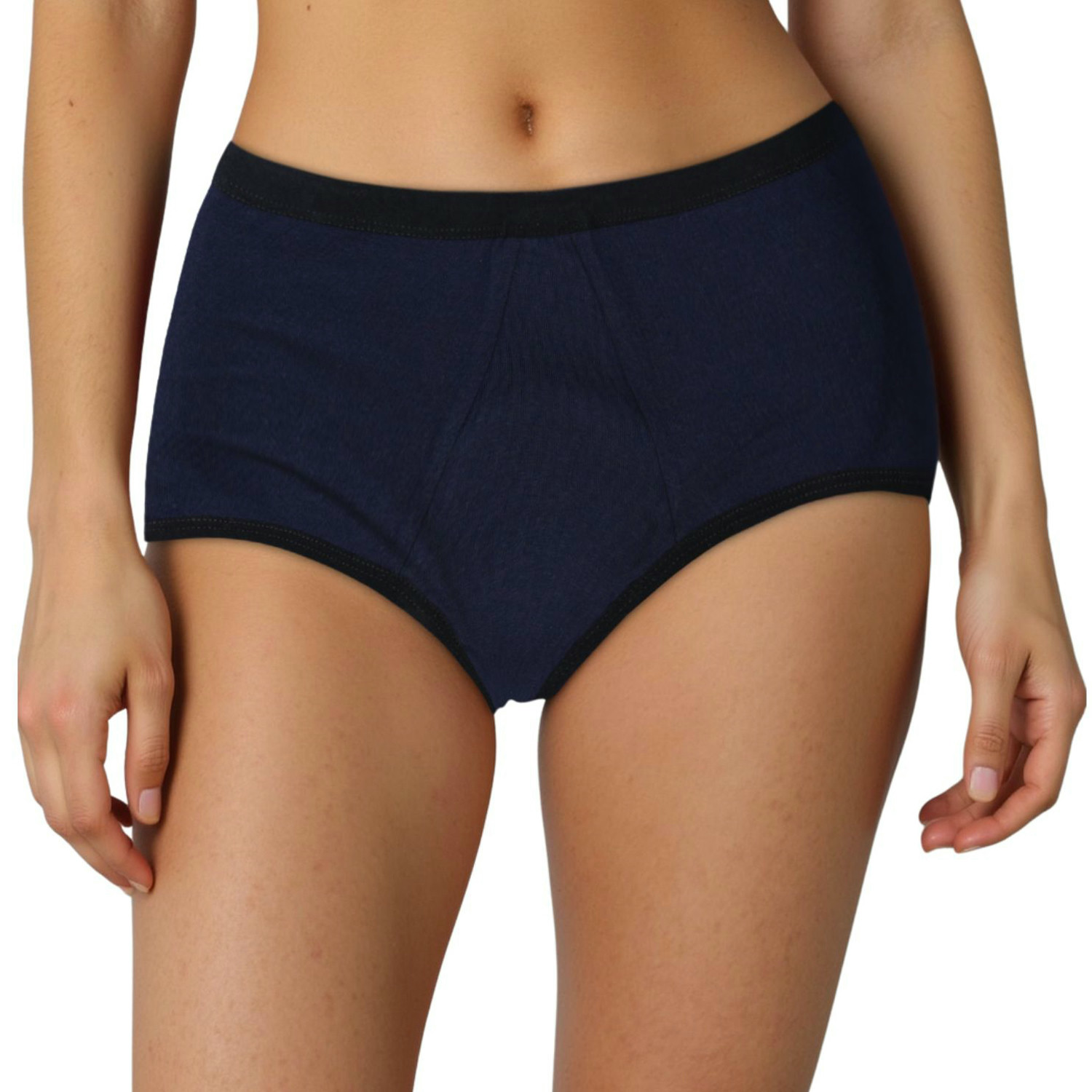
Period underwear showed intentional PFAS in 33% of cases, often for leak resistance.
Reusable pads followed closely at 25% with intentional addition.
Most samples (71.2%) contained only low, likely unintentional levels, possibly from packaging or supply-chain contamination.
All detailed analyses of 19 products detected some PFAS, though many at trace amounts.
Some period underwear reached extremely high fluorine levels up to 77,000 ppm in certain cases far exceeding thresholds for non-intentional presence. The study confirms that PFAS-free production remains entirely feasible, as many comparable items avoided these chemicals altogether.
Health and Environmental Risks of PFAS Exposure
PFAS persist indefinitely in the environment and human body, accumulating over time. Known effects include endocrine disruption, reduced fertility, immune suppression, and elevated risks for cancers such as kidney and testicular. In reusable period products, prolonged skin contact particularly with sensitive mucosal tissues raises absorption concerns, potentially amplifying exposure compared to other consumer goods.
“Neutral PFAS tend to fly under the radar but can be more easily absorbed through the skin, or even mucous membranes like those in the vagina,” notes expert commentary on similar findings.
Environmentally, washing these products releases PFAS into wastewater, while disposal contributes to landfill leaching that contaminates water supplies. For items promoted as sustainable, this creates a troubling contradiction, undermining their green credentials.
Regional Responses and Perspectives
USA: Momentum for Accountability
In the USA, where PFAS contamination affects widespread populations, the study adds urgency to existing efforts. Past controversies involving disposable and reusable brands have spurred lawsuits and state-level restrictions. Advocates push for stronger federal labeling and bans in intimate products.
UK: Calls for Stricter Oversight
The UK has seen growing advocacy around menstrual product safety. Groups highlight regulatory inconsistencies tampons face lighter scrutiny than many household items and demand ingredient transparency. The PFAS findings strengthen arguments for dedicated menstrual health legislation.
India: Balancing Access and Safety
In India, reusables play a vital role in addressing affordability and waste challenges. Yet water scarcity complicates hygiene practices, and the study underscores the need for rigorous testing and standards. Progress toward PFAS restrictions aligns with global safety trends, offering opportunities to prioritize safer materials.
Persistent Challenges in Regulation and Transparency
The industry grapples with inconsistent standards. Many manufacturers depend on global suppliers unaware of PFAS risks, leading to unintentional inclusions. Claims like "stain-resistant" or "water-repellent" often signal potential PFAS use, yet disclosure remains voluntary in most regions. Without uniform testing or mandatory reporting, consumers face uncertainty when choosing products.
Pathways to Safer, More Sustainable Innovation
Encouragingly, the research shows PFAS are not essential for effective reusable design. Brands can shift to organic cotton, bamboo, and other safe fabrics while maintaining absorbency and durability. Transparent supply chains and third-party certifications build trust and capture demand for truly clean options.
In the USA, equity programs expand access to verified reusables in schools. The UK supports thriving eco-brands, while India stands to benefit from affordable, locally produced alternatives. These shifts promise stronger consumer loyalty and market differentiation in growing sectors.
Expert Views and What Lies Ahead
Study authors emphasize practicality: “Only a subset had high PFAS, meaning they're not needed.” Transparency empowers informed choices and drives safer manufacturing. Looking forward, anticipated regulations stricter limits in the USA, aligned policies in the UK, and advancing restrictions in India could establish consistent safety benchmarks within the decade. Advances in biomaterials may soon eliminate reliance on concerning chemicals entirely.
Practical Steps for Consumers and Industry
Consumers should examine labels closely, steer clear of leak-proof or water-repellent marketing without clear safety claims, and seek brands offering independent PFAS testing.
Select certified organic or explicitly PFAS-tested items.
Advocate through petitions and support regulatory progress.
Follow thorough washing protocols to reduce any residual concerns.
Industry stakeholders must commit to rigorous testing, eliminate high-risk suppliers, and prioritize full disclosure. Such measures not only address health and environmental risks but also reinforce leadership in ethical, sustainable intimate care.
The evolving dialogue around reusable period products underscores a core truth: genuine sustainability requires both environmental responsibility and uncompromising safety. Vigilance, innovation, and collective accountability will determine the future of menstrual health for millions.
Frequently Asked Questions
Are reusable period products like period underwear safe to use, or do they contain harmful chemicals?
Some reusable period products do contain PFAS (per- and polyfluoroalkyl substances), often called "forever chemicals," but not all of them. A 2026 study published in *Environmental Science & Technology Letters* found PFAS at levels suggesting intentional use in roughly 30% of tested products with period underwear (33%) and reusable pads (25%) most affected. The good news is that many comparable products were completely PFAS-free, proving safer manufacturing is entirely achievable. Consumers can reduce risk by choosing brands that offer independent third-party PFAS testing and certifications.
Why are PFAS added to reusable menstrual products, and what are the health risks?
PFAS are typically added to period underwear and reusable pads for their leak-resistant and water-repellent properties the same qualities that make these products appealing. However, PFAS are persistent chemicals that accumulate in the body over time and have been linked to hormonal disruption, reduced fertility, immune suppression, and increased risk of certain cancers including kidney and testicular cancer. Because reusable period products involve prolonged contact with sensitive skin and mucosal tissue, the potential for absorption may be higher than with other consumer goods.
How can I find PFAS-free period underwear or reusable pads?
To avoid PFAS in reusable menstrual products, look for items made from certified organic cotton or bamboo, and be cautious of marketing terms like "leak-proof," "stain-resistant," or "water-repellent" without accompanying safety disclosures. Seek out brands that publish independent PFAS test results or carry recognized third-party certifications. You can also advocate for stronger labeling regulations efforts are underway in the USA, UK, and India to establish clearer safety benchmarks for intimate care products.
Disclaimer: The above helpful resources content contains personal opinions and experiences. The information provided is for general knowledge and does not constitute professional advice.
You may also be interested in: How to Ensure Your Bra Fits Perfectly Every Time - D'chica
Finding the right intimate wear can be tough, especially when bras pinch, slip, or don't provide enough support during school or play. Whether you're a teen girl or a young woman, we understand the frustration. That's why DChica created India's first teen-focused innerwear collection breathable cotton designs with adjustable straps, high coverage, and leakproof period panties. Our bras, camisoles, period panties, and shapewear offer the perfect balance of comfort and support. Celebrate your growth and confidence every day at DChica. Shop now!

Periods are already uncomfortable—odor should never be part of the experience. This is exactly why Best Period Panties are designed with advanced fabric technology that keeps you feeling fresh, dry