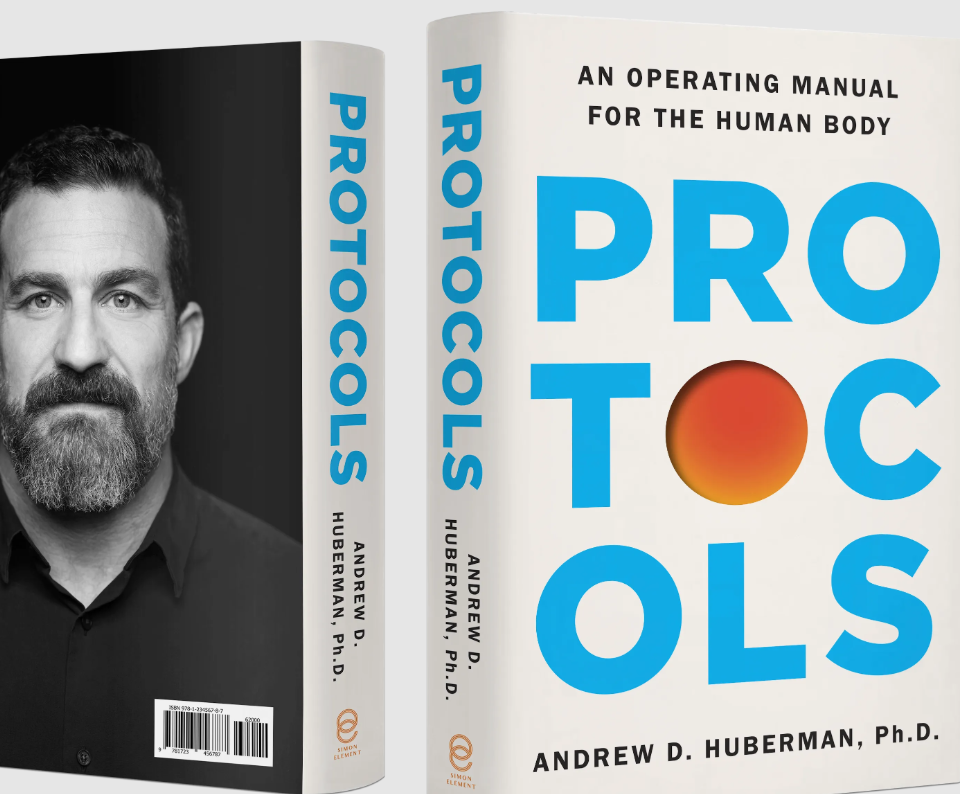
Most of us take breathing for granted. It just happens, right? But Andrew Huberman, the Stanford neurobiologist behind the massively popular Huberman Lab podcast, wants you to start thinking of your breath as a remote control for your nervous system. Unlike your heartbeat or your digestion, breathing sits in a strange middle ground—it happens automatically, but you can also consciously change it. That dual control makes breathwork one of the most powerful, accessible, and free tools you have to shift your mental and physical state in seconds. Huberman doesn’t sell expensive gadgets or mysterious rituals. He teaches specific, research-backed breathing patterns that directly influence your alertness, calmness, and even your pain perception.
The Two-Way Street Between Breath and Brain
Here is the core insight that Huberman repeats across dozens of podcast episodes: your breathing pattern does not just reflect your emotional state—it actively creates it. When you are anxious, you breathe fast and shallow from your chest. When you are relaxed, you breathe slow and deep from your diaphragm. But here is the kicker: if you deliberately breathe fast and shallow, you will actually become more anxious. If you deliberately breathe slow and deep, you will become calmer. This happens because your lungs are packed with stretch receptors that send signals directly to your brainstem. Every single breath tells your brain whether you are safe or in danger. Huberman calls this “interoception”—your brain’s ability to sense the internal state of your body through the rhythm of your lungs.
The Physiological Sigh for Rapid De-Escalation
You have already encountered the physiological sigh in the stress reduction article, but it deserves repeating because Huberman considers it the single most effective real-time stress tool. The pattern is simple: two quick inhales through the nose, followed by one long, slow exhale through the mouth. The first inhale fills your lungs. The second small inhale reinflates tiny air sacs that often collapse during shallow breathing. The long exhale then removes excess carbon dioxide, which lowers your heart rate almost immediately. Huberman recommends using two to three cycles of the physiological sigh whenever you feel panic rising, before a difficult conversation, or even in the middle of a workout to reset your breathing. Within thirty seconds, you will feel your shoulders drop and your mind clear. For more visit here http://instagram.com/hubermanlab
Cyclic Hyperventilation for Energy and Focus
Not all breathwork is about calming down. Huberman describes a technique called cyclic hyperventilation that does the opposite—it wakes you up and sharpens your focus. The pattern involves twenty-five to thirty deep breaths in through the nose and out through the mouth at a steady, rapid pace—about one breath per second. After the last exhale, you empty your lungs completely and hold your breath for fifteen to thirty seconds. Then you take a deep recovery breath and start again. This pattern temporarily raises your adrenaline and increases alertness without the jittery crash of too much coffee. Huberman uses this technique himself when he feels afternoon fatigue setting in. A word of caution: never do this while driving or in water, and stop immediately if you feel dizzy.
Box Breathing for Cognitive Performance
You have probably heard of box breathing—the pattern used by Navy SEALs and first responders. Huberman explains why it works so well for cognitive performance. Box breathing means inhaling for four seconds, holding for four seconds, exhaling for four seconds, and holding again for four seconds. That even ratio creates a predictable rhythm that your brain interprets as safety and control. Unlike the physiological sigh, which is an emergency brake, box breathing is more like setting the cruise control. It lowers your heart rate variability in a healthy way and improves your ability to think clearly under pressure. Huberman recommends practicing box breathing for five minutes before any high-stakes mental task, such as an exam, a presentation, or a creative brainstorming session.
The Wim Hof Method and Stress Inoculation
Huberman has a nuanced take on the Wim Hof Method, a popular breathwork protocol that combines hyperventilation with cold exposure. The method involves thirty to forty deep, forceful breaths followed by a long breath hold, repeated for several rounds. Huberman explains that this pattern deliberately creates a state of respiratory alkalosis—a temporary shift in your blood chemistry that makes your body more resistant to stress. Over time, practicing the Wim Hof Method can increase your tolerance to adrenaline and reduce your baseline anxiety. However, Huberman warns that this is an advanced technique. Doing it while driving, bathing, or unsupervised can be dangerous. If you try it, do it lying down in a safe space, and never force the breath hold if you feel strong urges to breathe.

Nasal Breathing Versus Mouth Breathing
One of the simplest yet most transformative changes Huberman recommends is switching from mouth breathing to nasal breathing, both during the day and during sleep. Nasal breathing warms, humidifies, and filters the air you take in. More importantly, your nose releases nitric oxide, a gas that dilates blood vessels and improves oxygen exchange in your lungs. Mouth breathing bypasses all of these benefits. Chronic mouth breathers, Huberman notes, tend to have higher blood pressure, more sleep apnea, and worse facial bone development over time. He suggests a simple test: if you wake up with a dry mouth, you are mouth breathing at night. Taping your mouth shut at bedtime with a small piece of medical tape sounds strange, but Huberman has done it for years and swears by its effects on sleep quality.
The Four-to-One Exhale Rule for Sleep Onset
Finally, Huberman offers a specific breath pattern for falling asleep faster. The rule is simple: make your exhales at least four times longer than your inhales. For example, inhale for two seconds and exhale for eight seconds. Or inhale for three seconds and exhale for twelve seconds. This long-exhale pattern directly activates your parasympathetic nervous system, the branch responsible for rest and digestion. It also slows your heart rate and lowers blood pressure. Huberman suggests doing this for five to ten minutes while lying in bed, without trying to force sleep. Just focus on the rhythm. Most people find themselves drifting off before they finish the tenth cycle. Unlike sleeping pills, this technique costs nothing, has no side effects, and works with your brain’s natural wiring rather than against it.


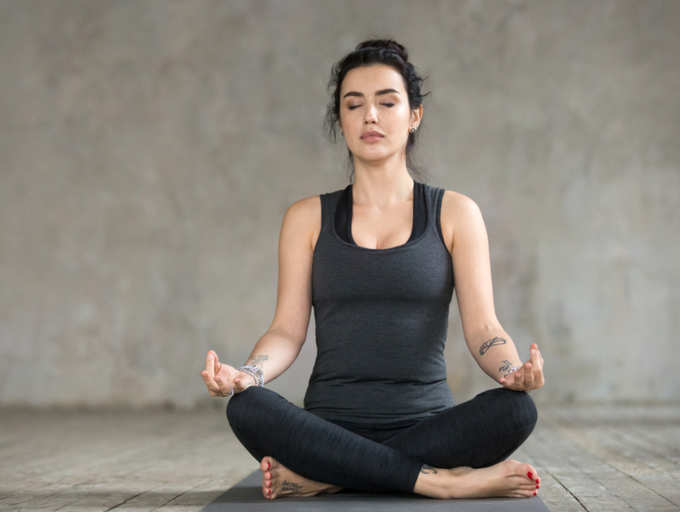
They always look fit and happening, and you must’ve thought at least once what could be their secret.
Well, the answer to that question is pretty simple; regular exercise, controlled diet, and last but certainly not the least, yoga or gentle yoga, to be more precise.
It is performed at a slower pace and that too with less intense poses (positions) and often includes an extended time for yogic breathwork, meditation, and relaxation.
A gentle yoga class is all about warm-up movements, and the poses are held for longer times.
Modifications are also done to help people of different fitness and flexibility levels to enjoy the benefits of yoga without putting too much tension on their muscles.
The whole concept behind this branch of yoga is getting the benefits of yoga but at a comfortable pace.