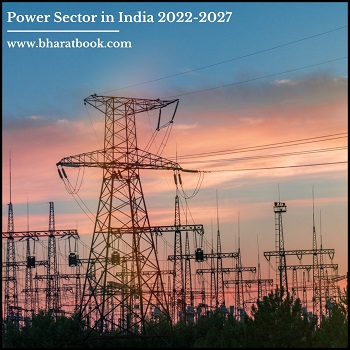
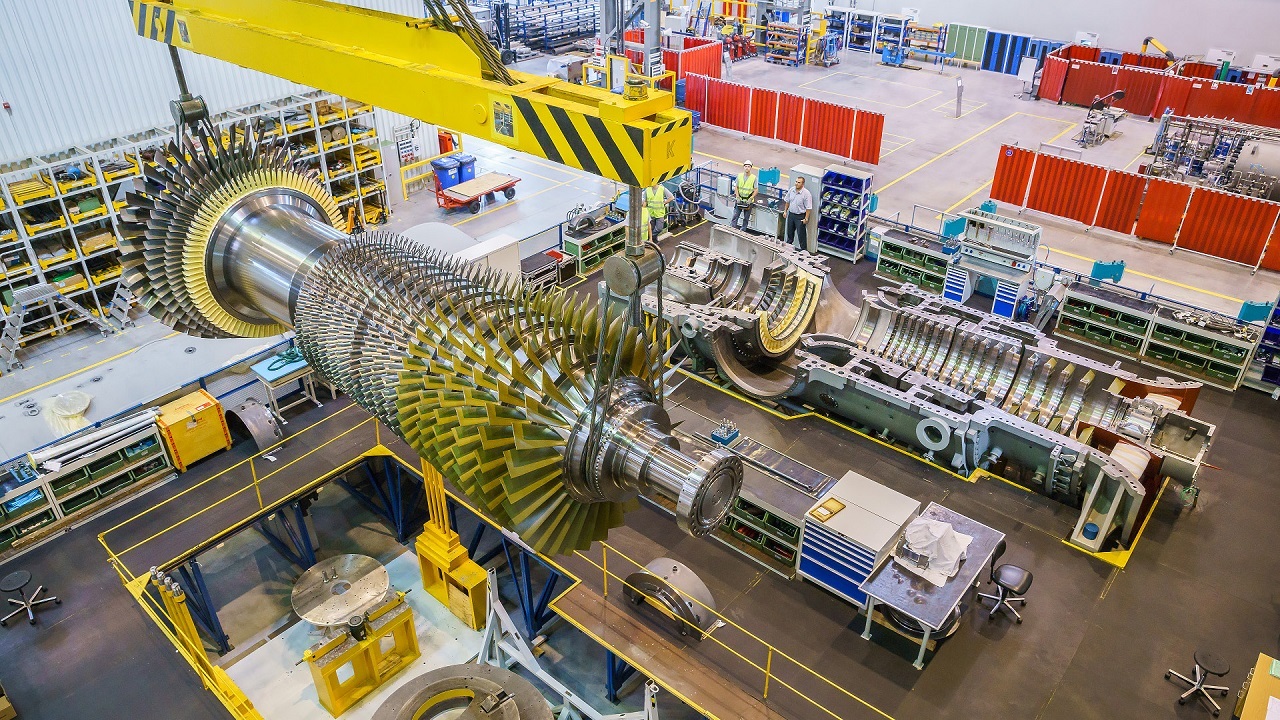
India’s power sector stands at the center of the country’s industrial growth, infrastructure expansion, and clean energy transition. As one of the world’s largest producers and consumers of electricity, India continues to strengthen its energy ecosystem through investments in generation, transmission, renewable energy, and smart grid infrastructure. The sector plays a critical role in supporting manufacturing, transportation, urbanization, digitalization, and rural electrification across the country.
According to IBEF, India is among the fastest-growing power markets globally, backed by rising electricity demand, government reforms, and strong renewable energy targets.
Overview of India’s Power Sector
The Indian power sector is highly diversified and includes conventional energy sources such as coal, natural gas, hydro, and nuclear power, alongside renewable sources like solar, wind, biomass, and small hydro projects. The country has built one of the world’s largest synchronized electricity grids to ensure reliable power supply across states and regions.
India remains the third-largest producer and consumer of electricity globally, with installed capacity expanding rapidly to meet rising industrial and household demand.
Key segments of the sector include:
Power generation
Transmission infrastructure
Electricity distribution
Renewable energy integration
Energy storage systems
Smart grid and digital technologies
Growth Drivers of the Indian Power Industry
Rising Electricity Demand
India’s growing population, urban expansion, digital economy, and industrial development continue to drive electricity consumption. Increasing adoption of electric vehicles, air conditioning, data centers, and modern appliances is further accelerating energy demand.
Power consumption in India has witnessed consistent growth in recent years, creating opportunities for investments across generation and transmission infrastructure.
Expansion of Renewable Energy
Renewable energy has emerged as a major growth pillar for the Indian power sector. India has become one of the global leaders in solar and wind energy capacity, supported by ambitious government targets and policy incentives.
The country aims to achieve 500 GW of non-fossil fuel capacity by 2030, positioning renewable energy at the core of its energy transition strategy. Solar power installations, wind farms, rooftop solar systems, and hybrid renewable projects are expanding rapidly across states.
Government Policy Support
Government initiatives continue to strengthen the sector through reforms, infrastructure investment, and clean energy promotion. Key initiatives include:
Revamped Distribution Sector Scheme (RDSS)
Green Energy Corridor projects
PM Surya Ghar rooftop solar initiative
Production-linked incentives for solar manufacturing
Smart meter deployment programs
Renewable Purchase Obligations (RPOs)
These measures aim to improve grid reliability, reduce transmission losses, and accelerate renewable energy adoption.
Renewable Energy Transformation in India
India’s renewable energy sector has witnessed significant momentum due to declining technology costs, investor interest, and supportive regulations. Solar energy remains the fastest-growing segment, while wind energy continues to expand in states with strong wind resources.
The country ranks among the leading nations globally in renewable energy capacity additions. Renewable energy now contributes a substantial share of India’s installed power capacity, reflecting the nation’s transition toward cleaner energy sources.
Major renewable energy sources include:
Solar power
Wind energy
Hydropower
Biomass energy
Waste-to-energy projects
Transmission and Grid Infrastructure Development
As renewable energy capacity expands, transmission infrastructure has become increasingly important. India is investing heavily in interstate transmission systems, grid modernization, and energy evacuation projects to support renewable integration.
Large-scale transmission upgrades are being implemented to connect renewable-rich regions with industrial and urban demand centers. Energy storage systems and flexible grid technologies are also becoming critical to managing renewable intermittency.
Investment Opportunities in the Power Sector
India’s power sector offers substantial investment opportunities across public and private segments. Areas attracting major investments include:
Renewable energy projects
Solar manufacturing
Battery storage systems
Transmission infrastructure
Green hydrogen projects
Smart grids and digital energy solutions
Electric vehicle charging infrastructure
Foreign direct investment and institutional capital continue to flow into clean energy and power infrastructure projects due to long-term growth potential.
Challenges Facing the Sector
Despite strong growth prospects, the Indian power sector faces several operational and financial challenges.
Grid Integration Challenges
Renewable energy generation depends heavily on weather conditions, making grid balancing and energy storage essential for stable electricity supply. Transmission bottlenecks and delays in connectivity approvals also impact project execution.
Financial Stress in Distribution Companies
State electricity distribution companies (DISCOMs) continue to face financial pressures due to subsidy burdens, operational inefficiencies, and delayed payments. Improving DISCOM performance remains crucial for long-term sector stability.
Land and Infrastructure Constraints
Land acquisition, environmental approvals, and transmission expansion delays can slow down renewable energy deployment and infrastructure development.
Emerging Trends in India’s Power Industry
Several emerging trends are shaping the future of India’s energy landscape:
Decentralized solar power systems
Smart grids and digital energy management
Artificial intelligence in grid operations
Battery energy storage solutions
Green hydrogen development
Electric mobility integration
Advanced metering infrastructure
States such as Maharashtra, Rajasthan, Gujarat, Tamil Nadu, and Karnataka are becoming major renewable energy hubs due to large-scale solar and wind projects.
Future Outlook for the Indian Power Sector
India’s power sector is expected to undergo significant transformation over the next decade as the country moves toward sustainable energy growth. Rising electricity demand, renewable energy expansion, modernization of transmission infrastructure, and supportive policy reforms are likely to drive long-term sector development.
The transition toward clean energy, combined with investments in storage technologies and grid modernization, positions India as one of the world’s most important energy markets. With strong government support and increasing private participation, the sector is expected to play a vital role in achieving economic growth, energy security, and sustainability goals.