


Commercial construction projects require large investments, careful planning, and strong financial management. From office buildings and retail centers to hotels and industrial facilities, these projects involve many expenses that continue throughout the construction process. Labor payments, material purchases, equipment rentals, permits, subcontractor costs, and operational expenses all need to be managed properly to keep the project moving forward.
One of the most important parts of financial planning in commercial construction is cash flow forecasting. Cash flow forecasting helps construction companies, developers, and project owners understand how money will move in and out of a project over a specific period of time. It provides a financial roadmap that supports better planning, reduces risks, and helps projects stay financially stable from start to finish.
Without proper cash flow forecasting, even profitable projects can face financial difficulties. Delayed payments, unexpected expenses, or poor budgeting can create cash shortages that affect project timelines and overall performance. This is why accurate cash flow forecasting is essential for successful commercial construction projects.
What Is Cash Flow Forecasting in Construction?
Cash flow forecasting is the process of estimating future income and expenses during a construction project. It helps project teams predict when money will be received and when payments must be made.
In commercial construction, cash inflow usually comes from investors, lenders, or client payments based on project milestones. Cash outflow includes labor costs, material purchases, subcontractor payments, equipment expenses, insurance, permits, and other operational costs.
A cash flow forecast shows whether the project will have enough funds available at different stages of construction. It helps companies prepare for financial challenges before they become serious problems.
Why Cash Flow Is Important in Commercial Construction
Commercial construction projects often involve large budgets and long project timelines. Unlike smaller projects, commercial developments may continue for several months or even years before completion.
During this time, construction companies must continue paying workers, suppliers, and subcontractors regularly. If cash flow is not managed properly, projects can experience delays, payment issues, or operational disruptions.
Good cash flow management ensures there is enough money available to support daily construction activities. It also helps maintain healthy relationships with vendors, contractors, and financial partners.
When businesses understand their financial position clearly, they can make better decisions and avoid unnecessary financial stress.
Helps Prevent Project Delays
One of the biggest risks in commercial construction is project delays caused by financial problems. If contractors or suppliers are not paid on time, construction activities may slow down or stop completely.
Cash flow forecasting helps companies identify future payment obligations and prepare funds in advance. This reduces the chances of unexpected cash shortages that could interrupt the project schedule.
Projects with strong financial planning are more likely to stay on track and meet completion deadlines. Timely project delivery is important because delays often increase labor costs, equipment rental fees, and operational expenses.
Improves Financial Planning
Cash flow forecasting provides a clear understanding of project finances over time. It allows construction companies to plan expenses more effectively and allocate resources properly.
For example, project managers can identify periods where expenses may increase due to material purchases or labor demands. By forecasting these costs early, businesses can arrange financing, adjust payment schedules, or reduce unnecessary spending.
Financial planning also becomes easier when project teams understand expected revenue and expenses at each construction stage. This helps maintain stability throughout the project lifecycle.
Supports Better Budget Management
Budget management is one of the most important parts of commercial construction. Even a small increase in project expenses can affect profitability if spending is not monitored carefully.
Cash flow forecasting works closely with budget management by helping companies compare expected expenses with actual project costs. This allows teams to identify financial issues early and take corrective action when needed.
For example, if material prices increase unexpectedly, project managers can adjust purchasing plans or review other expenses to balance the budget.
Regular financial forecasting helps prevent overspending and improves overall cost control.
Reduces Financial Risks
Commercial construction projects face many financial risks. Material price fluctuations, labor shortages, weather delays, design changes, and market conditions can all affect project finances.
Cash flow forecasting helps businesses prepare for these risks by creating a more accurate picture of future financial needs. Companies can develop contingency plans and maintain reserve funds for unexpected situations.
This proactive approach reduces the impact of financial challenges and improves project stability.
Risk management is especially important in commercial construction because large projects often involve significant investments and multiple stakeholders.
Improves Relationships With Contractors and Suppliers
Construction projects depend heavily on subcontractors, suppliers, and vendors. Delayed payments can damage these relationships and affect project performance.
Cash flow forecasting helps ensure payments are made on time by tracking financial obligations throughout the project. Reliable payment management builds trust and improves communication between all parties involved.
Strong vendor relationships can also help construction companies negotiate better pricing, improve delivery schedules, and maintain smooth operations during the project.
Helps Secure Financing
Many commercial construction projects rely on financing from banks, investors, or private lenders. Financial institutions often require detailed cash flow forecasts before approving loans or project funding.
A well-prepared cash flow forecast shows lenders that the project has a clear financial plan and realistic budget expectations. It demonstrates that the construction team understands project costs and has strategies in place to manage financial risks.
Good financial forecasting increases confidence among investors and lenders, making it easier to secure funding for large construction projects.
Supports Better Decision-Making
Commercial construction projects involve many financial decisions throughout the project lifecycle. Project managers must decide when to purchase materials, hire subcontractors, expand project scope, or approve design changes.
Cash flow forecasting provides accurate financial information that supports better decision-making. When teams understand future cash availability, they can make smarter choices that protect project finances.
For example, if forecasts show a temporary cash shortage during a certain phase of construction, project managers may delay non-essential expenses or adjust project schedules to maintain financial balance.
Accurate financial data helps reduce uncertainty and improve operational planning.
Helps Manage Change Orders
Change orders are common in commercial construction projects. Clients may request design changes, additional features, or project modifications after construction begins.
While some changes increase project revenue, they can also create unexpected expenses and affect cash flow.
Cash flow forecasting helps companies evaluate how change orders will impact project finances. It allows teams to adjust budgets, payment schedules, and financial planning before approving major changes.
Proper management of change orders helps avoid financial confusion and protects project profitability.
Encourages Long-Term Business Stability
Construction companies that manage cash flow successfully are more likely to maintain long-term financial stability. Strong financial management improves profitability, reduces debt risks, and supports business growth.
Companies with healthy cash flow can invest in new equipment, hire skilled workers, and expand into larger projects with greater confidence.
Consistent financial planning also improves business reputation. Clients and investors are more likely to work with companies that demonstrate strong financial organization and project management skills.
Technology Has Improved Cash Flow Forecasting
Modern construction management software has made cash flow forecasting more accurate and efficient. Many companies now use digital tools to track expenses, monitor budgets, generate reports, and manage invoices in real time.
These systems help project teams access financial information quickly and reduce manual errors. Automated forecasting tools can also identify trends and alert managers about potential financial risks before they become serious problems.
Technology allows construction companies to improve financial visibility and make faster decisions based on real-time project data.
As commercial construction projects become more complex, digital financial management tools continue to play an important role in project success.
The Role of Professional Financial Management
Cash flow forecasting requires careful planning, experience, and continuous monitoring. Large commercial projects especially benefit from professional financial oversight.
Experienced construction finance professionals help companies create accurate forecasts, manage budgets, track expenses, and improve financial reporting throughout the project lifecycle.
Professional financial management services also help businesses identify financial risks early and develop strategies to maintain project stability.
Companies like SD-Cap support commercial construction projects by helping clients improve financial planning, cost control, and cash flow management during every stage of construction.
Conclusion
Cash flow forecasting is one of the most important parts of successful commercial construction management. It helps companies plan expenses, maintain financial stability, reduce risks, and keep projects moving forward without unnecessary delays.
Without proper cash flow forecasting, construction projects may face payment issues, budget problems, and operational disruptions that affect overall project success.
Accurate forecasting provides better financial visibility and supports smarter decision-making throughout the construction process. It also improves relationships with contractors, suppliers, lenders, and investors by ensuring financial obligations are managed properly.
In today’s competitive construction industry, strong cash flow forecasting is essential for protecting profitability and supporting long-term business growth. Commercial construction companies that invest in proper financial planning are better prepared to manage challenges, control costs, and complete projects successfully.
https://sdcap.com/construction-finance-management/

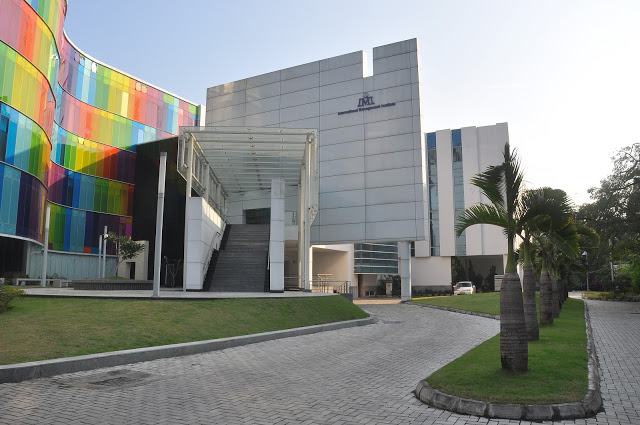
IMI Kolkata is one of the Top Finance Management College in Kolkata.
The PGDM in Finance option brings the best faculty in the country and the exposure that a Finance student needs.
It is one of the best when it comes to Finance, PGDM, or Management in general.