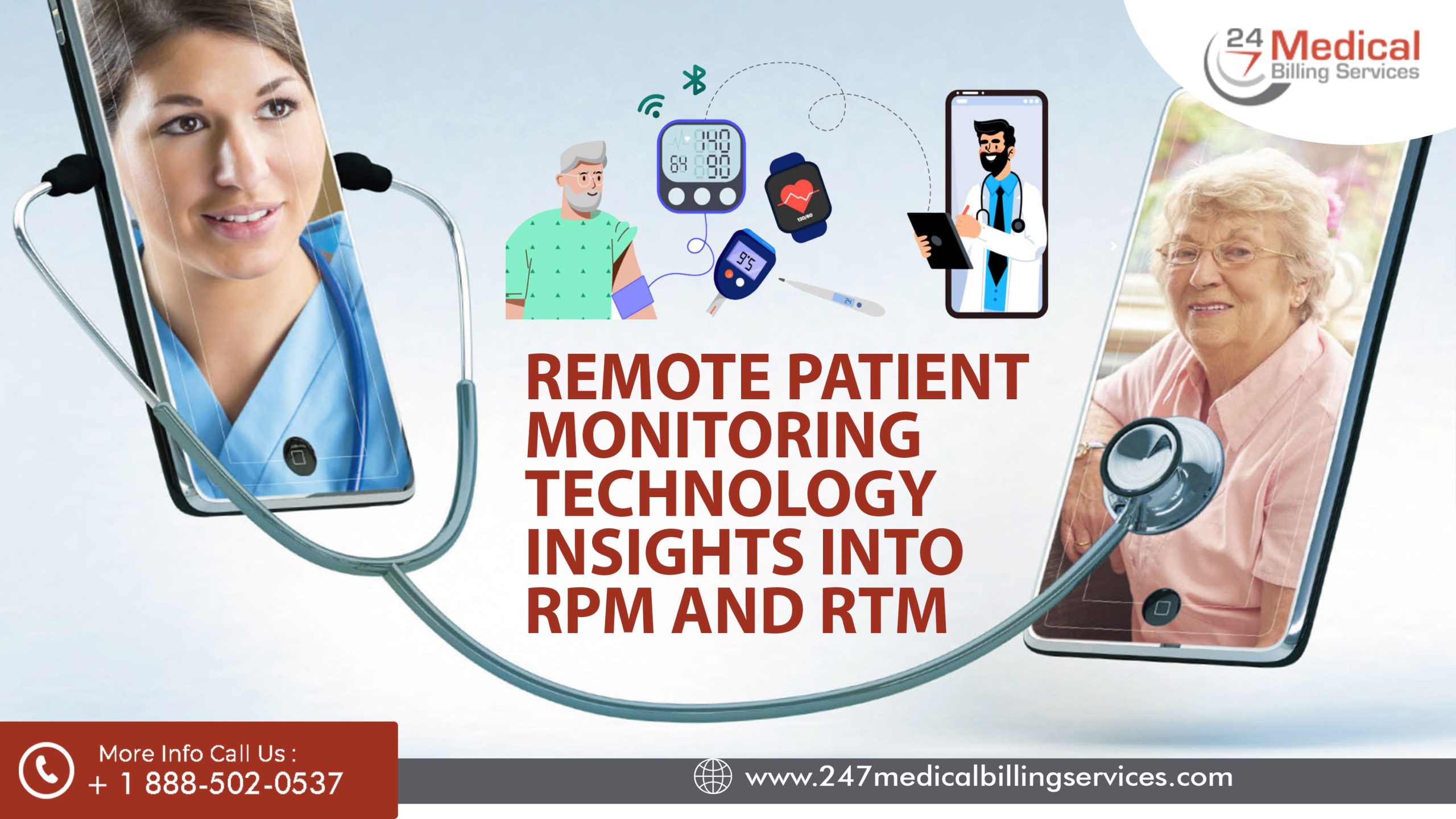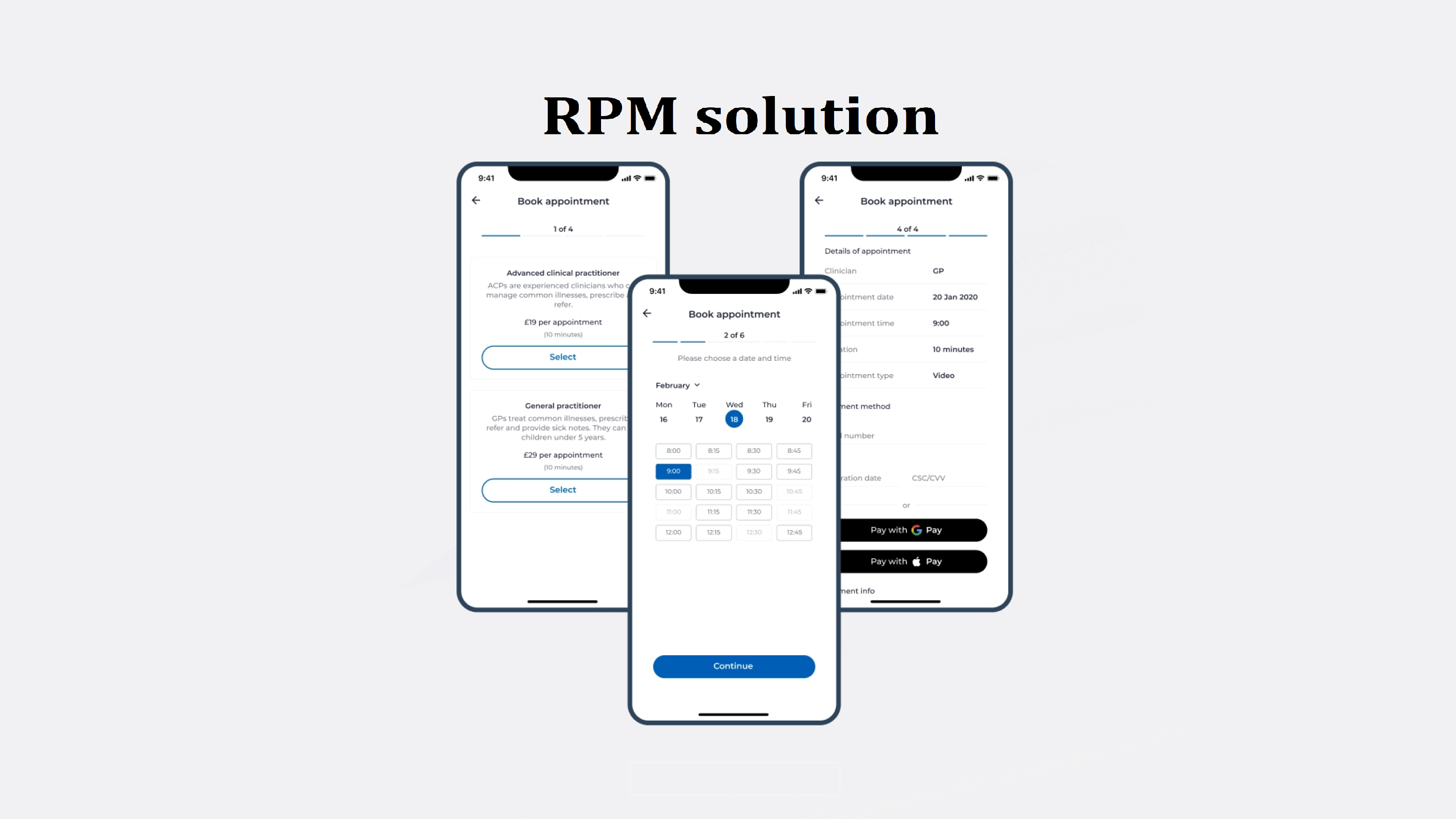


As small clinics navigate the complex terrain of healthcare reimbursement in 2026, remote patient monitoring RPM services are emerging as a practical and strategic advantage. These services extend beyond clinical care to redefine how clinics monitor patients, collect data, and bill for that care in a way that supports sustainability, accuracy, and patient outcomes. For providers working in smaller practices, RPM is not just a tech trend; it’s a framework that helps tighten workflows, improve financial viability, and deliver timely, proactive care. The following sections explore why RPM services in medical billing matter specifically for small clinics, how they influence patient monitoring and billing accuracy, and what to consider when evaluating costs, data integration, and vendor choices.
Patient care efficiency: Unlocking smoother clinical workflows through RPM-driven billing
Patient care efficiency sits at the heart of every successful small clinic. When clinicians juggle patient visits, chart reviews, test orders, and follow-ups, inefficiencies creep in and can impact both care quality and revenue cycles. RPM services, when integrated with medical billing, offer a structured approach to continuous patient monitoring without requiring constant in-person visits. For small clinics, this translates into several practical improvements. First, RPM devices collect vital signs, glucose readings, blood pressure, weight, oxygen saturation, and activity data automatically, often transmitting those metrics to the clinic’s electronic health record (EHR) and billing system. This automation reduces manual data entry, which is not only time-consuming but also prone to transcription errors that can trigger claim denials or documentation gaps. With data flowing directly into the patient’s chart, clinicians can quickly assess trends, identify early warning signs, and intervene before problems escalate. Second, RPM enables asynchronous care management. Patients who would otherwise require in-office follow-ups can be monitored remotely, freeing up appointment slots for more urgent cases and improving the clinic’s capacity to see patients in a timely manner. Third, RPM fosters proactive engagement. When patients know their data is being monitored, they become more engaged in self-management and adherence to treatment plans. This tends to reduce unnecessary office visits and improves the overall efficiency of the care delivery model. For small clinics, those improvements compound over time, resulting in a smoother patient journey, fewer bottlenecks, and a more predictable daily workflow that can be scaled as the practice grows.
Medical billing accuracy: How RPM data improves claim quality and documentation
Accuracy in medical billing is a perennial concern for clinics of all sizes, but small clinics often feel the weight more acutely due to tighter margins and lean staffing. RPM can play a pivotal role in boosting billing accuracy by enhancing the completeness and clarity of documentation. When RPM devices are integrated with the EHR and billing system, data points such as time-stamped readings, triage notes, and clinician interpretations can be captured in a consistent, auditable manner. This detail supports the proper use of RPM-related CPT and code modifiers, which can be essential for obtaining reimbursement for remote monitoring activities. For example, RPM-related billing often revolves around specific CPT codes tied to device supply, data collection, and ongoing management. Clear documentation of patient eligibility, device usage, monitoring time, and clinical decision-making helps ensure that claims reflect the work performed and the value delivered. Conversely, gaps in data or inconsistent records can lead to denials, delayed payments, or audit findings. RPM, when implemented with robust data governance and standards, provides a defensible trail that demonstrates continuity of care, the clinician’s involvement, and adherence to payer requirements.
RPM medical billing benefits: Tangible advantages for revenue, care, and compliance
The benefits of RPM in medical billing extend beyond the obvious ability to bill for remote monitoring activities. For small clinics, RPM can unlock several tangible advantages that impact revenue, patient outcomes, and long-term compliance. First, RPM strengthens revenue streams by enabling new billing opportunities around remote monitoring services. By capturing continuous data, clinicians can justify ongoing management of chronic conditions and coordinate care more effectively, which pays out under RPM-related CPT codes and related modifiers. This creates a more predictable revenue cycle because remote data streams offer ongoing care of patients with chronic diseases, rather than one-off visits that may rely solely on in-person visits. Second, RPM enhances care continuity and reduces hospitalizations or emergency department visits because clinicians gain visibility into subtle trends that would be missed during periodic visits. This proactive approach translates into better patient outcomes and can reduce the downstream costs associated with acute events, which in turn supports payer relationships and potential performance-based incentives. Third, RPM improves documentation quality and reduces claim rework. With standardized data collection, time-stamped readings, and integrated clinical notes, the likelihood of missing information or inconsistent coding decreases significantly. Clinics can standardize workflows for data review, interpretation, and billing, which reduces denials and accelerates cash flow. Finally, RPM supports compliance and risk management. Adhering to payer rules for remote monitoring, maintaining device management logs, and documenting patient consent are all easier when data are systematically captured and attached to the patient record. This reduces the risk that audits will identify missing elements or miscodings, an outcome that is particularly valuable for small clinics that may lack large compliance teams.
RPM for small clinics: Adapting remote monitoring to resource-constrained environments
Small clinics face unique constraints: limited staff, tight budgets, and often a higher proportion of patients with chronic conditions requiring ongoing management. RPM for small clinics must be pragmatic, scalable, and tightly aligned with clinical goals and financial realities. A successful approach begins with a careful assessment of patient populations and workflows. Clinics can start with a focused pilot program targeting a specific chronic condition, such as hypertension, diabetes, or heart failure, where RPM data have proven clinical relevance and clear reimbursement pathways. The ramp-up should prioritize devices that are easy to use for patients, require minimal on-site maintenance, and have reliable data transmission to the clinic’s EHR. Cost considerations are central to any pilot: device costs, data plans, platform subscriptions, and the time staff spends on setup, monitoring, and billing must be weighed against the expected revenue and clinical benefits. Because small clinics may operate with smaller IT teams, choosing RPM platforms with strong vendor support and straightforward integration with the existing EHR is critical. A key success factor is the willingness to adapt workflows and define clear roles for clinical staff, such as who reviews RPM data, who initiates outreach when readings indicate concern, and who handles the billing submissions associated with RPM services. As the clinic gains experience, the program can expand to additional conditions, incorporate more complex telemetry, and optimize the mix of devices and data streams to maximize both patient benefit and revenue potential. In practice, RPM for small clinics becomes a modular, repeatable process where each expansion is guided by measurable outcomes, patient satisfaction, and a favorable return on investment.
Remote patient monitoring billing: Coding, documentation, and payer expectations
Billing for remote patient monitoring requires careful navigation of coding, documentation, and payer expectations. Clinicians and billing staff must understand the sequence of steps from patient enrollment and consent to device setup, data transmission, clinical review, and ongoing management. Documentation should clearly demonstrate that remote monitoring is actively integrated into the patient’s care plan and that the clinician or qualified staff dedicates time to review transmitted data and to communicate with the patient when necessary. Payers typically expect that RPM services include a combination of device supply, data collection, and patient management, with time-based elements for ongoing oversight. It is crucial to align the clinic’s operational processes with the payer’s requirements: accurate capture of the device type, the duration of monitoring time, the level of clinical decision-making, and any patient-initiated interventions or communications. Additionally, clinics must secure patient consent and ensure appropriate patient education about data sharing, device usage, and expectations for engagement. Technology plays a vital role here as well: an integrated RPM platform can track device status, data transmission reliability, and clinician review times, all of which form part of the auditable record of care. Over time, as payer policies evolve and new RPM-related codes emerge, clinics should maintain an ongoing review of billing guidelines, ensure staff training around new codes, and adjust workflows to reflect any changes. This proactive approach helps prevent denials, reduces claim rework, and keeps the revenue cycle aligned with patient-centered care.
Medical billing RPM: Choosing partners, integrating systems, and measuring success
Selecting the right RPM partner and ensuring successful integration with a clinic’s billing and EHR systems is essential for realizing the benefits discussed above. A thoughtful vendor evaluation should consider several factors. First, data integration capabilities matter. The RPM platform should integrate smoothly with the clinic’s EHR and billing system, enabling automatic data flows, standardized coding, and real-time alerts without requiring extensive manual reconciliation. Compatibility with existing workflows is essential to minimize disruption and to ensure clinicians and billing staff can adopt the system quickly. Second, vendor support and service levels are critical for a small clinic with limited IT resources. Vendors should offer robust onboarding, ongoing training, responsive support, and clear documentation on coding, device management, and data governance. Third, the total cost of ownership must be evaluated beyond upfront device costs. Ongoing subscription fees, data plans, device provisioning, maintenance, and potential charges for data storage or analytics should be considered to determine the true ROI. Fourth, security and regulatory compliance cannot be an afterthought. The RPM solution should adhere to HIPAA requirements, implement strong encryption, role-based access controls, and audit trails that facilitate compliance reviews. Fifth, the track record and customer references are invaluable. Clinics should seek case studies from peer practices of similar size and patient mix, and, if possible, arrange a pilot program to assess real-world performance at a manageable scale. Finally, governance and reporting capabilities help clinics measure success. A good RPM partner should provide analytics on patient engagement, clinical outcomes, utilization of monitoring data, and the impact on denials and reimbursement. With a well-chosen vendor and an integrated system, small clinics can build a sustainable RPM program that strengthens care, improves financial performance, and supports a culture of proactive, patient-centered care. Practical implementation requires clear project milestones, defined roles, and a phased rollout that aligns clinical goals with financial metrics.
In practice, the synergy between RPM and medical billing in a small clinic often manifests as a virtuous cycle: better data leads to better care decisions, which leads to more accurate and timely billing, which in turn funds the continued expansion of RPM capabilities. When clinics internalize this cycle, they become better positioned to withstand reimbursement changes, meet patient expectations for accessible care, and sustain a resilient business model in an increasingly value-driven healthcare landscape. The result is a clinic that can deliver higher-quality, more coordinated care while maintaining financial health, a balance that is particularly important for small practices navigating competitive markets and evolving payer policies in 2026.
As you consider RPM services in medical billing for your small clinic, start with a pragmatic assessment of your patients, workflows, and financial targets. Map the patient journey from enrollment to data review to billing submission, then identify where automation, integration, and standardization can yield the biggest gains. Engage clinicians early in the process to ensure the monitoring plan aligns with clinical goals and patient preferences. Involve billing and coding staff in vendor demonstrations to ensure that the platform supports accurate coding, proper documentation, and efficient claim submission. Finally, establish a governance framework with clear metrics: patient engagement rates, data transmission reliability, time spent by clinicians reviewing RPM data, denials related to RPM claims, days in accounts receivable, and net revenue impact. With careful planning and a partner that understands the needs of small clinics, RPM services in medical billing can transform not only how you monitor patients but how you sustain a thriving, patient-centered practice in 2026 and beyond.