Managing ISO 13485 documents is essential for organizations working with ISO 13485 medical devices and maintaining a compliant quality management system (QMS). Proper document management helps organizations meet regulatory requirements, improve operational efficiency, and prepare for ISO 13485 certification audits with confidence.
Whether you are a medical device manufacturer, supplier, or service provider, having a structured approach to document control can reduce errors and ensure that employees always work with the latest approved information.
Importance of ISO 13485 Documents
Organizations should understand that ISO 13485 requires controlled documentation to demonstrate compliance with regulatory and quality requirements. These documents provide evidence that processes are properly defined, implemented, and monitored.
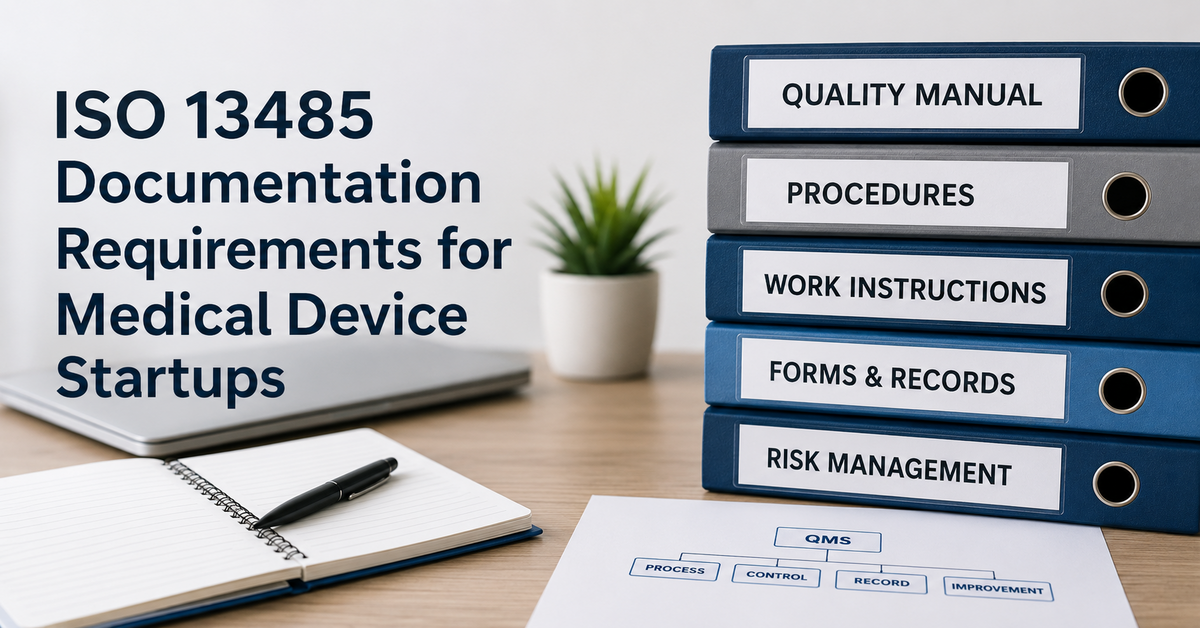
Key documents typically include quality manuals, standard operating procedures (SOPs), work instructions, forms, records, CAPA reports, and risk management files. Each of these plays a role in ensuring product safety and process consistency.
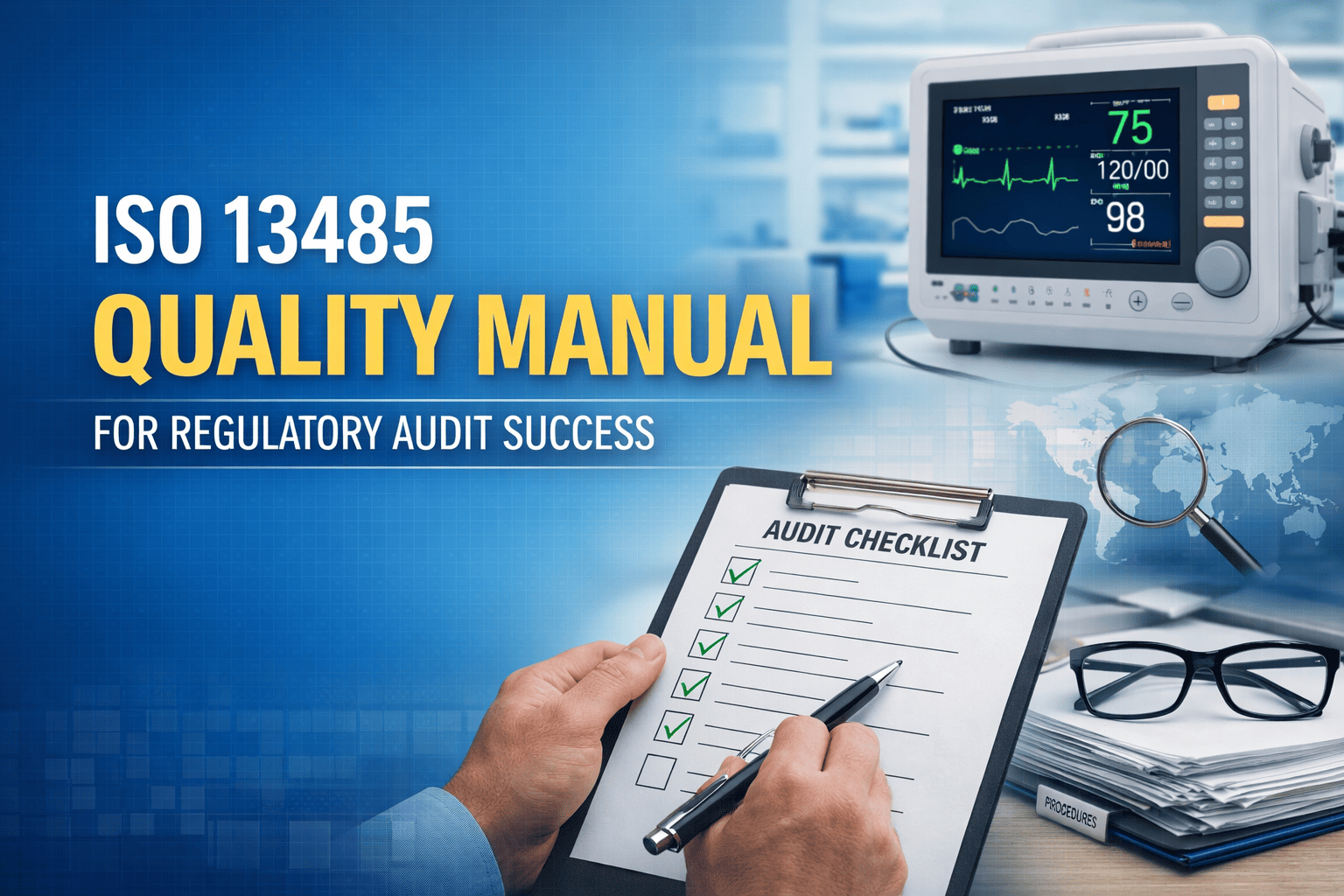
For example, a structured ISO 13485 manual helps define the overall quality management framework and ensures consistency across all processes.
If ISO 13485 documents are not properly managed, companies may face issues such as outdated procedures, inconsistent implementation, and audit nonconformities.
Establish a Clear Document Control Process
A well-defined document control process is the foundation of effective ISO 13485 compliance. Every document should have a unique identification number, revision status, approval history, and distribution controls.
Organizations should ensure that:
• Only authorized personnel can create or revise documents.
• Documents are reviewed and approved before release.
• Obsolete documents are removed from active use.
• Current versions are easily accessible to employees.
• Changes are properly tracked and documented.
These practices help maintain document integrity and prevent confusion across departments.
Organize ISO 13485 Documents Properly
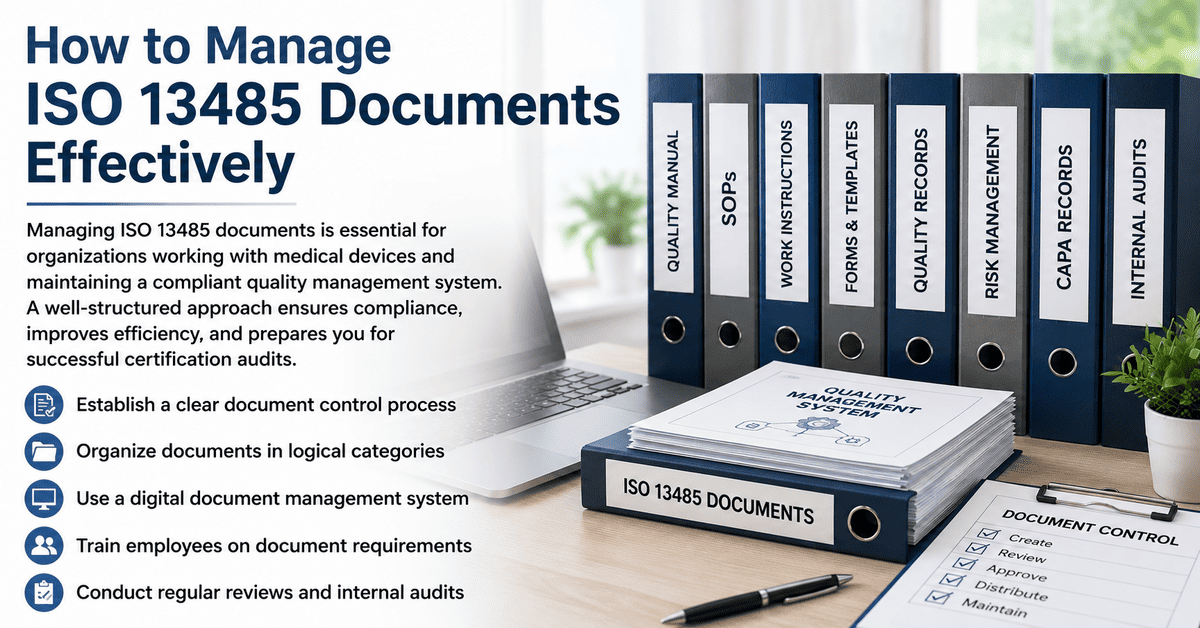
As the quality management system grows, document organization becomes increasingly important. Grouping documents into logical categories makes them easier to find and maintain.
Typical categories include:
• Quality Manual
• Standard Operating Procedures (SOPs)
• Work Instructions
• Forms and Templates
• Quality Records
• Risk Management Documents
• CAPA Records
• Internal Audit Documentation
A clear understanding of required ISO 13485 documents helps companies ensure that all mandatory procedures and records are in place as per regulatory expectations.
Use Medical Device Document Management System
Many medical device companies are moving away from paper-based systems and adopting electronic document management solutions. Digital systems can improve efficiency by automating document approval workflows, revision control, access permissions, and audit trails.
Benefits of electronic document management include:
• Faster document retrieval
• Reduced administrative workload
• Improved version control
• Better audit readiness
• Enhanced data security
A well-managed digital system can significantly reduce the risk of using outdated documents during production or quality activities.
Train Employees on Document Requirements
Even the best document control system can fail if employees do not understand how to use it correctly. Regular training ensures that personnel are familiar with approved procedures and understand their responsibilities.
Training records should be maintained as evidence of competence and compliance. During certification audits, auditors often review training records alongside controlled documents to verify implementation.
Conduct Regular Reviews and Audits
Periodic document reviews help ensure that procedures remain current and aligned with regulatory requirements. Internal audits can identify gaps, outdated information, or opportunities for improvement before external auditors discover them.
Organizations should establish review schedules and assign responsibility for maintaining documentation accuracy. Continuous improvement is a key component of an effective quality management system.
Final Thoughts
Managing ISO 13485 documents effectively is essential for ensuring product quality, regulatory compliance, and audit readiness. By implementing strong document control practices and maintaining organized records, medical device companies can build a reliable and efficient quality management system.
Visit site for more information about ISO 13485 documents-https://www.certificationconsultancy.com/qms-medical-device-documents-procedures.htm
ISO 13485 manual- https://www.documentationconsultancy.com/download/iso-13485-manual-documents.pdf